
 Multiple Faces Detected


 July 21st, 2026
There is no doubt that we are now more connected digitally than ever, but with this comes vulnerabilities to evolving threats. And the latest threat in town is the military scam.
Today threat actors are working diligently to impersonate military individuals or institutions to get away with millions of dollars and sensitive information. They have perfected the language and culture of the military members, making it hard to pinpoint them.
But the military scammers use the same scam format making it possible to identify them. This post will outline how you can detect these scams and avoid them being a victim.
Let’s get started!
What is a Military Scam
The military scam threat is where the scammers impersonate military support personnel or organizations to steal sensitive information or money. Among the information that may be stolen is phone numbers, address, name, bank account information, photo identification, etc.
And although the threat target military personnel or organizations, anyone can fall victim. As such, everyone should be wary of these scams and be ready to prevent or handle them when they appear.
The Reach out Stage
Military Scam Photos
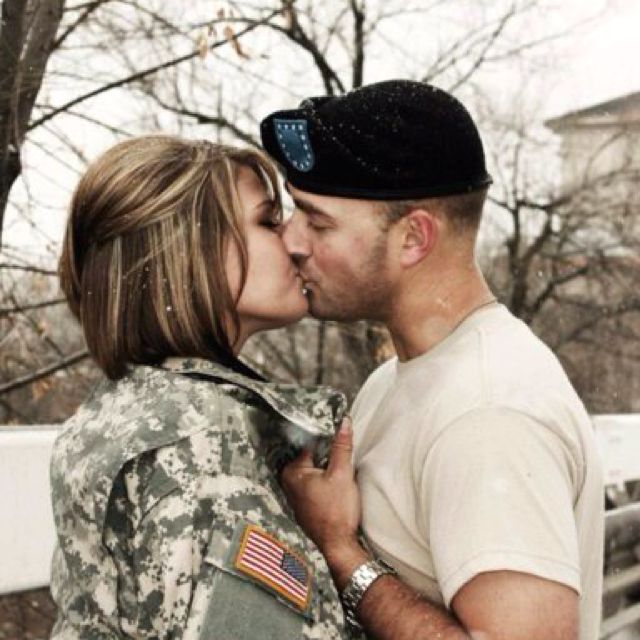
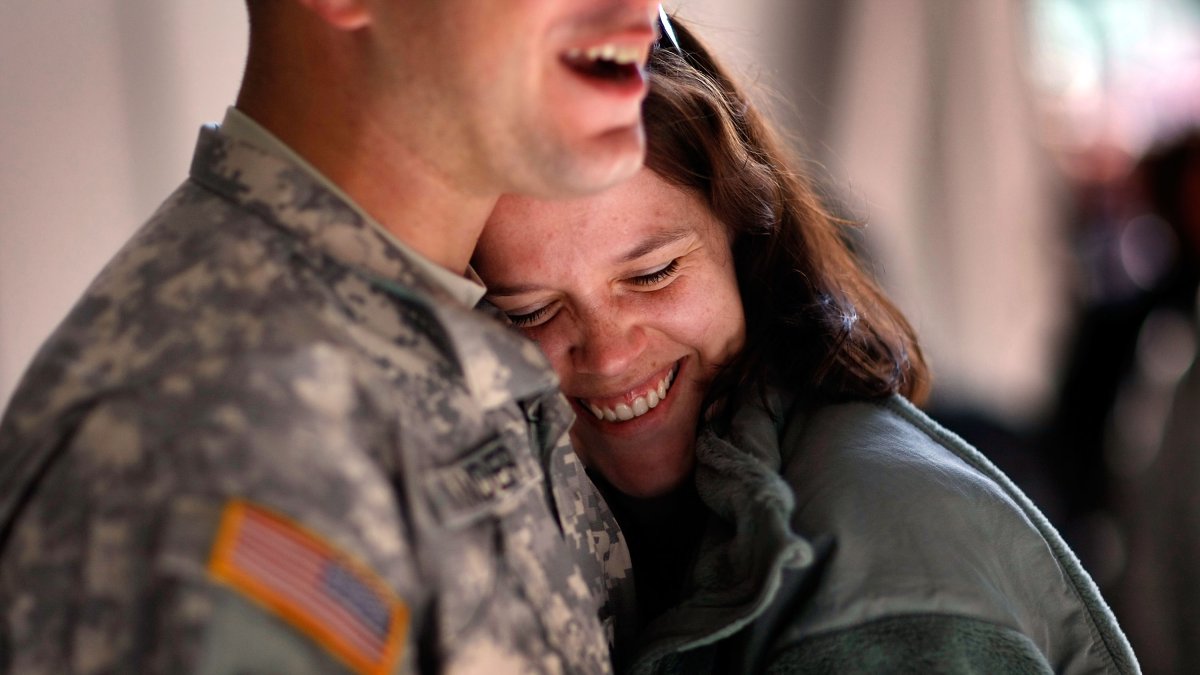
The photos for these catfish scams are the most important part. Scamfish typically takes photos from Instagram influencers who are in the military. The military scam pictures are of both males and females. Scammers typically get these photos from Facebook, Instagram, and Twitter. They then create fake accounts and begin reaching out to people via DMs or comments. Many of the people in these photos are unaware that their images are being used in dating scams. Others have been contacted by people they’ve never heard of, claiming that they have been in a relationship with them for years.
Because these scammers can claim to be in the U.S. Army and deployed overseas, they can come up with all types of excuses. It makes it easy to explain why they can’t video chat, meet up, or give exact details about where they are and what they’re doing. To find out whether or not someone you’re talking to is a romance scammer, use catfish face recognition by running their images through the search bar below. In just a short amount of time, you can have the peace of mind you need to save yourself thousands of dollars and lots of heartache.
If you’ve already fallen victim to a scam, it’s important to understand how to recover from a dating scam—emotionally and financially. Remember, spotting these scammers early could save you from dealing with a potential future mugshot situation where you’re unknowingly involved in fraudulent activity.
Love Bombing
A scammer’s whole goal is to get you head over heels for them so you aren’t thinking logically when they ask you for money. Because they have this goal in mind, during the reach-out phase, the scammer will do what is known as love-bombing. Love bombing is when someone shows an overwhelming amount of love and affection for you at the very begging of a relationship. The goal is getting you hooked.
Catching a Military Scammer

Things Everyone In The Military Would Know
There are questions to ask a romance scammer in general. These quests typically have to do with them performing some type of action to prove that they’re real. One common question to ask is for them to hold up a piece of people with your name on it. Although this is a sure way to tell whether or not someone is real, Scammers often choose identities that have pictures of them holding up a piece of paper. They photoshop this picture and put their victim’s name on it to pass it off as proof.
There are questions you can ask to bust a military scammer to see if they really are overseas in the military. When asking these questions, it’s important to question them, not to educate them. If you want to know the truth, ask these questions without giving them too much context or explaining what they are. Because if they really are in the military, they’ll know exactly what you’re talking about.
Question to ask a military scammer
- Ask to see their military ID Card: Every Sercive member is issued a CAC card that allows them to go on military bases and receive their benefits. Asking someone who claims to be in the military to see their CAC card is a good way to determine whether or not their really in the military.
- Ask them what their MOS is: Every member in the military has a MOS, which identifies their job title. If the person claims not to have one or gives you one that doesn’t match the actual job title, they are likely lying.
- Ask Them about their BAH housing allowance: A BAH stands for Basic Allowance For Housing. It is something that everyone in the military gets. It helps them pay for food and shelter. If someone is claiming to be in the military and asking you for money, ask them about their BAH and see if the story they tell you makes any sense.
You can ask these questions to see if the person you’re talking to is really in the military. If you know someone who is or was in the military, share your love interest’s answers with them to get their opinion on whether or not they add up.
Ask Them Questions About Military Culture
When people share the same profession, they tend to develop their own culture. Accountants talk about things that only accountants would know, computer programmers, talk about things that other programmers would know, and so on and so forth. People in the military do this more than other professions. They have a culture that people in the civilian world typically wouldn’t be familiar with. Because many scammers are foreigners, they would have an even harder time answering these questions.
Ask them what’s their favorite MRE treat: questions like this are something that will give you a feel for whether or not they’re really in the military by testing their knowledge. Many scammers don’t understand the culture of the military on this deep of a level. If they don’t understand you or they give you an unsatisfying answer, it’s a red flag.
Ask them about basic training: Basic training is something that everyone in every branch of the military has to go through. Asking someone about their basic training can help you know whether or not they’re telling the truth. There are only a few places you can go for basic training. Each of the bases that offer this training is in a different state, and each state has a distinct culture that someone from a foreign country likely wouldn’t understand.
Ask Them If they’re a secret squirrel: To avoid answering any questions you may have, military scammers will often pretend to be on a mission so top secret that they can’t even talk about it. If this happens, casually refer to them as secret squirrels. if they are actually deployed overseas, they’ll know that you’re asking them if they’re in special ops. If they are a scammer, they’ll likely have no idea what you’re talking about.
How Do I Verify if Someone is in The Military?
Why People Fall For Romance Scams

Although the reason people do romance scams can be a bit complicated, the reason people fall for them is usually the same. in many cases, the victims of these scams have just gone through a traumatic life event, which makes them vulnerable. Common events are divorces, losses of a loved one, or the diagnosis of a disease. While victims are in this vulnerable state, they are craving excitement and someone who they feel is going through the experience with them. Romance scammers present themselves as the perfect companions.
in many cases, the family of the victims warns them that they are being scammed. other times, the victim may see online dating as taboo, and keep the relationship a secret. In both of these cases, the result is the same, the victim becomes isolated from their family and friends, which drives them further into the scammer’s arms.
Often times the victim of romance scams is aware of the fact that their online relationship may be a scam, but they dreed the thought of losing this source of love and excitement in their lives, so they stay with the scammer knowing full well it is a scam.

Format for Military Dating
Summary
Catching a military scammer is easy. You can ask them several military-related questions to verify their identity. One common way to catch them is to request them to take a photo of themselves holding a piece of paper with your name on it. But most have perfected their Photoshop skills and will edit almost everything.
There are a bunch of questions that you may ask to prove their authenticity, including:
- Request to see their military ID card
- Ask about their BAH housing allowance
- Ask them what their MOS is
- Ask them about basic training
But, some of the military romance scams actors have perfected the art of stealing, and it might be hard to catch them using these questions. Luckily, as discussed below, you can do a few more things to avoid being a victim of these scammers.
What you can do
You can do a few things to avoid falling prey to these military scam actors. The most crucial action you can take is to refrain from sending personal information or money to individuals you’ve not met.
Also, you can enlist the help of a third party to authenticate or verify a person’s identity. For instance, you may use Social Catfish to verify the authenticity of the person you met online. This firm uses AI-based reverse image search to find people and verify their identities.
In Conclusion

Military scams tend to follow a common format. Understanding the signs that someone might be a military scammer can save you thousands of dollars and months of heart ace. The best way to tell if someone’s a military scammer is to run a reverse image search on their images. use the search bar below to run your search today.