 Multiple Faces Detected


 October 23rd, 2025
Every year, millions of people fall victim to data breaches, from high-profile cases involving companies like T-Mobile and Equifax to smaller websites that people use every day. The result is the same: stolen personal information that can lead to identity theft, financial fraud, and lasting stress. Knowing how these breaches happen and what you can do about them is the first step to protecting yourself in 2025.
Millions of people are affected by data breaches annually, often without even knowing it. Run a Social Catfish background and data breach check today to find out if your information is at risk and get peace of mind.
Let’s break down how data breaches happen and what you can do to protect yourself.
What Is a Data Breach?
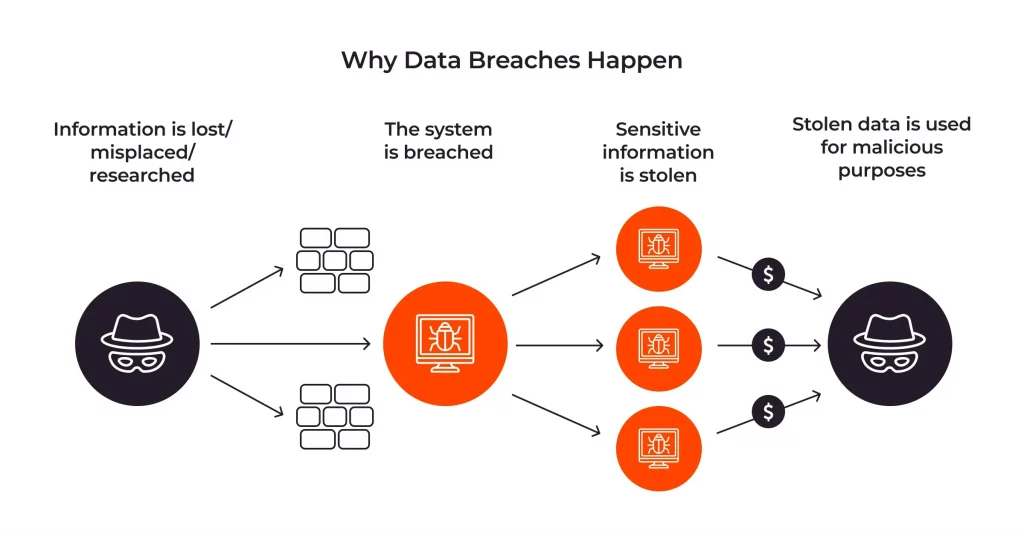
A data breach happens when unauthorized individuals gain access to sensitive information, such as names, Social Security numbers, credit card details, medical records, or login credentials. Unlike a simple “data leak,” which often refers to information accidentally exposed, or a “hack,” which focuses on breaking into systems, a breach usually means data was actually accessed, stolen, or misused. Understanding what a breach is, and how it differs from other cyber incidents is the first step toward protecting your personal information.
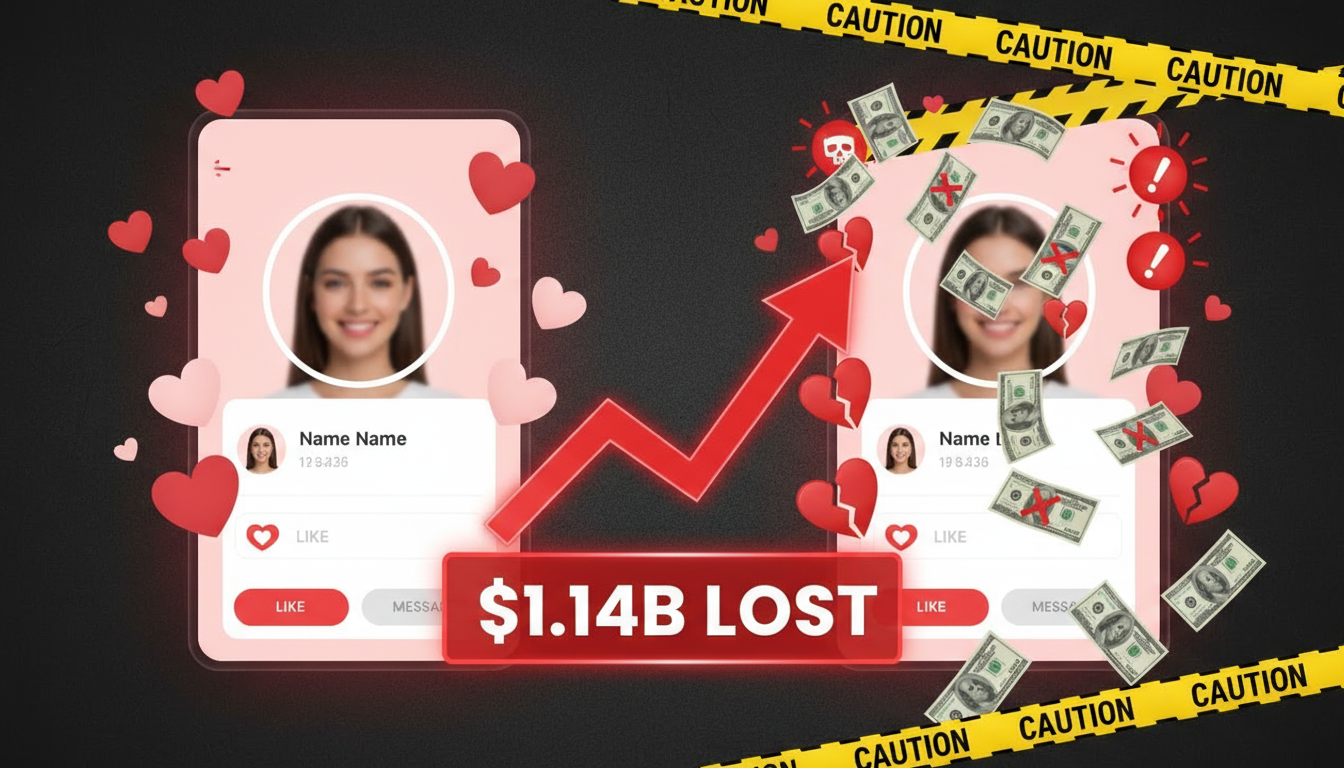
The financial impact is staggering. According to the FBI’s Internet Crime Complaint Center (IC3), Americans reported over $16.6 billion in losses from cybercrime in 2024, a 33% increase from the year before (IC3 Report). For individuals, that can translate to drained bank accounts, stolen identities, and long-term damage to credit and reputation.
Understanding what a breach is, and how it differs from other cyber incidents, is the first step toward protecting your personal information.
Common Types of Data Breaches
Data breaches can happen in several ways. Here are the most common types to watch for in 2025:
- Phishing Attacks – Fraudulent emails, texts, or messages that trick people into revealing login credentials or clicking malicious links.
- Malware & Ransomware – Malicious software secretly installed on devices to steal data or lock files until a ransom is paid.
- Insider Leaks – Employees, contractors, or partners mishandling sensitive information, whether by accident or intentionally selling data.
- Third-Party Breaches – Weaknesses in vendors or business partners that provide criminals with indirect access to your information.
- Weak Passwords & Credential Stuffing – Reusing the same password across multiple accounts makes it easy for hackers to break in once one set of credentials is exposed.
Examples of Major Data Breaches (2020–2025)
According to IBM’s 2023 report, 95% of companies have experienced more than one breach. And some of these breaches in recent years have exposed millions of people’s personal and financial information.
1. Equifax
One of the largest credit reporting agencies, Equifax, suffered a massive breach in 2017, but the fallout extended well into the 2020s. Sensitive data like Social Security numbers and credit histories were compromised, affecting 147 million people. Because SSNs can’t be changed, this data is still valuable to scammers years later.
What you can do: Monitor your identity continuously. Use Social Catfish’s Privacy Lock to reduce your exposure by removing your personal details from unsafe data broker sites.
2. T-Mobile
In 2023, hackers accessed the personal data of 37 million T-Mobile customers, including names, dates of birth, phone numbers, and addresses. While no financial details were leaked, this type of information is often used in phishing attacks and SIM-swap scams.
What you can do: Run a password check with Social Catfish to make sure your login details aren’t tied to compromised accounts, and enable multi-factor authentication wherever possible.
3. AT&T
In 2021, AT&T was reportedly affected by a breach where hackers claimed to have stolen the personal data of 70 million customers, including names, phone numbers, and SSNs. Even when breaches aren’t fully confirmed, data often circulates on the dark web and resurfaces years later.
What you can do: Use Social Catfish to search your email and phone number to see if they’re connected to leaked accounts or scam reports.
4. 23andMe
In late 2023, a credential-stuffing attack exposed the profiles of 6.9 million 23andMe users. Stolen data included ancestry information, genetically related details, and profile locations. Because of the personal nature of this data, it can be exploited in targeted scams or social engineering attacks.
What you can do: If you reuse passwords, update them immediately. Then run a Social Catfish username or email search to see if your credentials appear elsewhere online.
5. Cash App and Other Financial Platforms
In 2022, Cash App notified users that an insider had accessed reports containing data of 8.2 million customers. Financial platforms are constant targets, and stolen data is often used for account takeovers or investment scams.
What you can do: Use Social Catfish’s monitoring tools to keep an eye on where your financial information may appear and receive alerts if it’s being misused.
6. Social Security Number Exposures
In 2024, a breach at National Public Data exposed the Social Security numbers of nearly all Americans. This is one of the largest exposures in history, and since SSNs can’t be changed, the risks are lifelong.
What you can do: Run a Social Catfish background check on yourself to see what information is already tied to your SSN, and use Privacy Lock to remove it from high-risk sites.
How to Protect Yourself from Data Breaches
Verizon’s 2024 report found that 68% of breaches involved a person falling for a scam or making an error. While no one can prevent every breach, you can take steps to limit your exposure and reduce the damage if your data is compromised.
Use Strong, Unique Passwords + a Password Manager
Reusing the same password across multiple accounts makes you vulnerable to credential-stuffing attacks. A password manager helps you create and store complex, unique logins for every site.
Enable Two-Factor Authentication (2FA) Everywhere
Adding a second verification step — like a code sent to your phone — makes it much harder for criminals to access your accounts, even if your password is stolen.
Monitor Your Email and Phone with Tools Like Social Catfish
Regular checks can reveal if your information is connected to known breaches or scam reports. Social Catfish’s monitoring tools help you catch problems early before they lead to bigger issues.
Freeze Credit if Identity Theft Is Suspected
A credit freeze blocks new accounts from being opened in your name, stopping fraudsters from taking out loans or credit cards with your stolen details.
Be Cautious with Free Wi-Fi and Unsecured Networks
Hackers can intercept data sent over public Wi-Fi. Avoid logging into sensitive accounts unless you’re on a secure, private connection.
If your personal or financial information is exposed in a data breach, you need to act fast to limit the damage. Follow the best practices above and file an official report with FTC or IdentityTheft.gov. This creates a paper trail, helps law enforcement track fraud, and provides resources for recovery.
Worried your personal information is already out there? Our search specialists can investigate online connections, track leaked data, and help you find out if someone is using your identity.
Frequently Asked Questions About Data Breaches
What is the difference between a data breach and a data leak?
A data breach happens when hackers or unauthorized users gain access to sensitive information, usually by breaking into a system. A data leak often refers to information that is accidentally exposed — for example, through misconfigured servers or unprotected databases. Both put your data at risk, but breaches are generally targeted, while leaks are often mistakes.
How can I check if my personal data has been exposed?
You can start by searching your email or phone number with tools like Social Catfish, which can show if your information is tied to known breaches or scam reports. You can also monitor your accounts for suspicious activity or use credit monitoring services to catch early signs of fraud.
Are certain industries more at risk of data breaches?
Yes. Financial services, healthcare, telecommunications, and e-commerce platforms are among the most targeted industries because they handle valuable personal and financial data. However, even small websites and apps can be breached, so no industry is completely safe.
What should I do if my Social Security number is stolen in a breach?
If your SSN has been exposed, immediately place a credit freeze with all three major credit bureaus to prevent new accounts from being opened in your name. You should also file a report with the FTC or IdentityTheft.gov and use monitoring tools like Social Catfish’s Privacy Lock to help remove your personal data from unsafe websites.