
 Multiple Faces Detected


 March 2nd, 2026
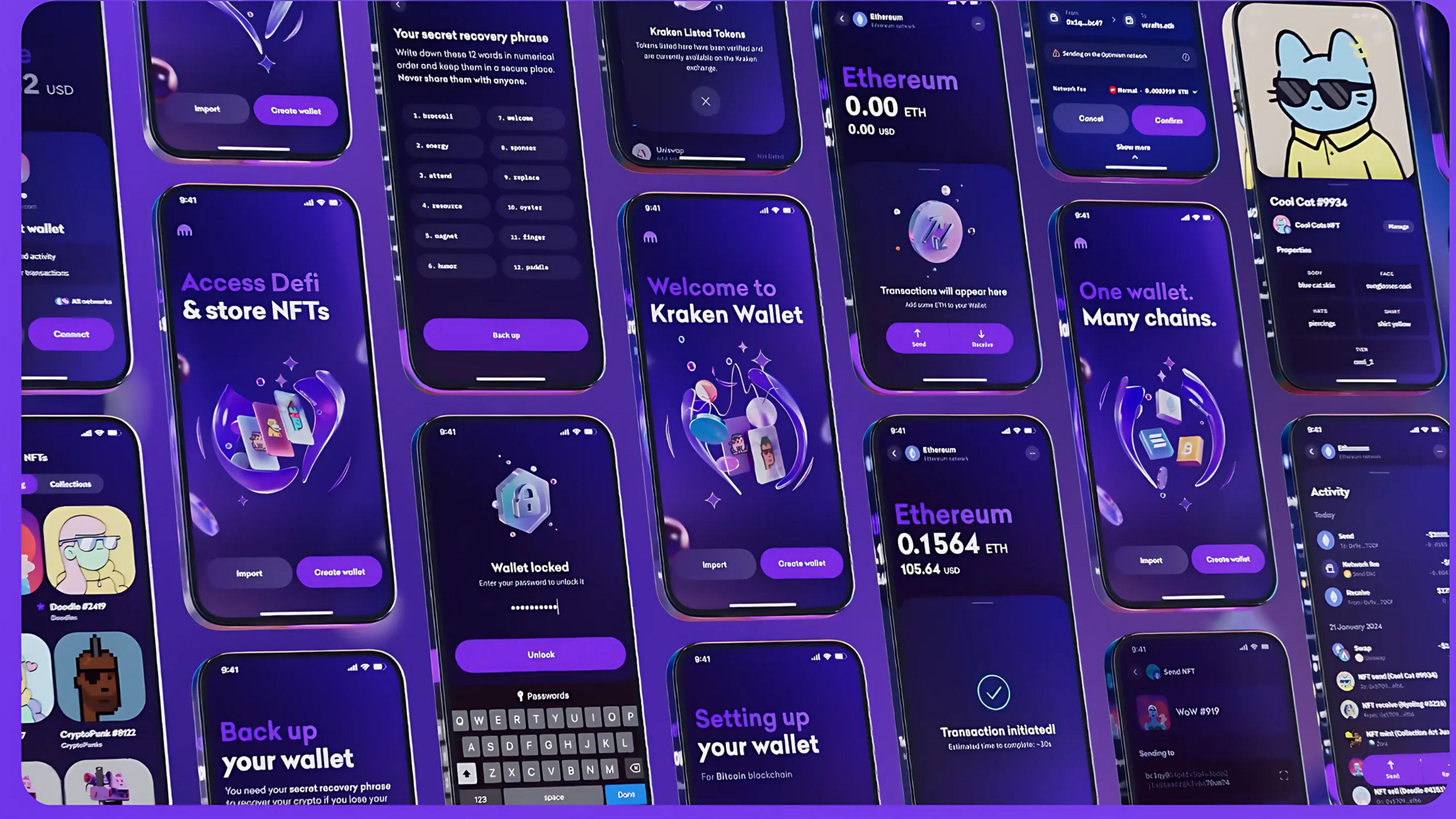
Cryptocurrency is a type of digital currency that doesn’t exist in physical forms, such as bills or physical coins. Instead, it only exists digitally through your digital wallet. Customers can pay actual money for this digital coin that acts as your cryptocurrency. Many people use it for quick purchases, to avoid bank transaction fees, or for some anonymity as they make their purchases. Scammers love cryptocurrency for a variety of reasons and will do anything in their power to get it from their victims. This is why it is important to know why scammers ask for cryptocurrency.
Why Do Scammers Ask for Cryptocurrency?
- Cryptocurrency, such as Bitcoin, offers some anonymity when making purchases. Scammers love making sure that their identity is hidden before making purchases or scamming someone out of money. Since they can use cryptocurrency with some sense of anonymity, they can get away with no one knowing who they are when they scam someone and turn their Bitcoin into cash.
- Cryptocurrency payments are difficult to reverse. If you decide to send someone a payment using cryptocurrency, then it’s nearly impossible to get it back. Usually, the person that you sent the cryptocurrency to has to be the one to send it back. That’s why it’s always important to do your research and read reviews before paying someone in cryptocurrency.
- These payments do not come with legal protections. Unlike debit or credit cards, cryptocurrency does not come with legal protections if you accidentally send money to someone or send it to a scammer. If you need to dispute a purchase, credit card and debit card companies usually have a process to get your money back. However, with cryptocurrency, there is no way to legally dispute your purchase to get your money back. Therefore if someone hacks into your Bitcoin or steals it, there is no legal process to get it back.
- Scammers can trace your information from your cryptocurrency payments. Even though people claim that it’s anonymous, it’s not 100% anonymous when you make a purchase. Your information goes onto a public ledger where people can see the sender’s address and recipient’s wallet addresses in some cases. A wallet address is a long code filled with numbers and letters that are linked to your digital wallet. Even though you might use a fake name for your cryptocurrency, scammers can still track you down from this wallet address and get information out of you, such as your real name or shipping address.
Types of Cryptocurrency Scams to Watch Out For
Investment Scams
Scammers message their victims or post statuses on social media, claiming that they have an investment opportunity. They claim that there is no risk involved and everyone is promised that they will be able to triple their money. Victims start sending in money via mobile payment app, bank account, wire transfer, gift card, or by using cryptocurrency.
Once they send the scammer the money, the scammer keeps bugging them for even more money until they drain their victims’ bank account. Then once the scammer gets enough money, they block the victim to where they never get the money that they were promised.
Extortion Scams
A scammer messages you randomly on a social media platform or a dating app, claiming that you’re beautiful or that they want to be your friend. Then, they form a relationship with you, claiming that they want to get to know you better. Then, they get you to send explicit photos or videos, embarrassing messages, or humiliating photos and videos so that they can use it as leverage over you.
They threaten to send this photo, video, or message to your loved ones or share it on social media if you don’t send them the amount of money requested. This entices the victims to feel terrified to where they feel like they need to send the scammer money in order to feel safe. Scammers will continue to do this until the victim either runs out of money or blocks them.
Social Media Scams
Scammers post a social media status or send a message to their victims, coming up with an excuse as to why they need them to send cryptocurrency. Sometimes, they even pretend to be a celebrity or someone you know in order to gain trust with you before asking for cryptocurrency. The victim trusts that the excuse is legit and sends them the Bitcoin that was requested.
Once the scammer gets the Bitcoin, they find excuses as to why they need more cryptocurrency. The victim continues to send more cryptocurrency to the scammer until they drain their bank account. The scammer then blocks the victim once they can’t send them anymore.
Romance Scams
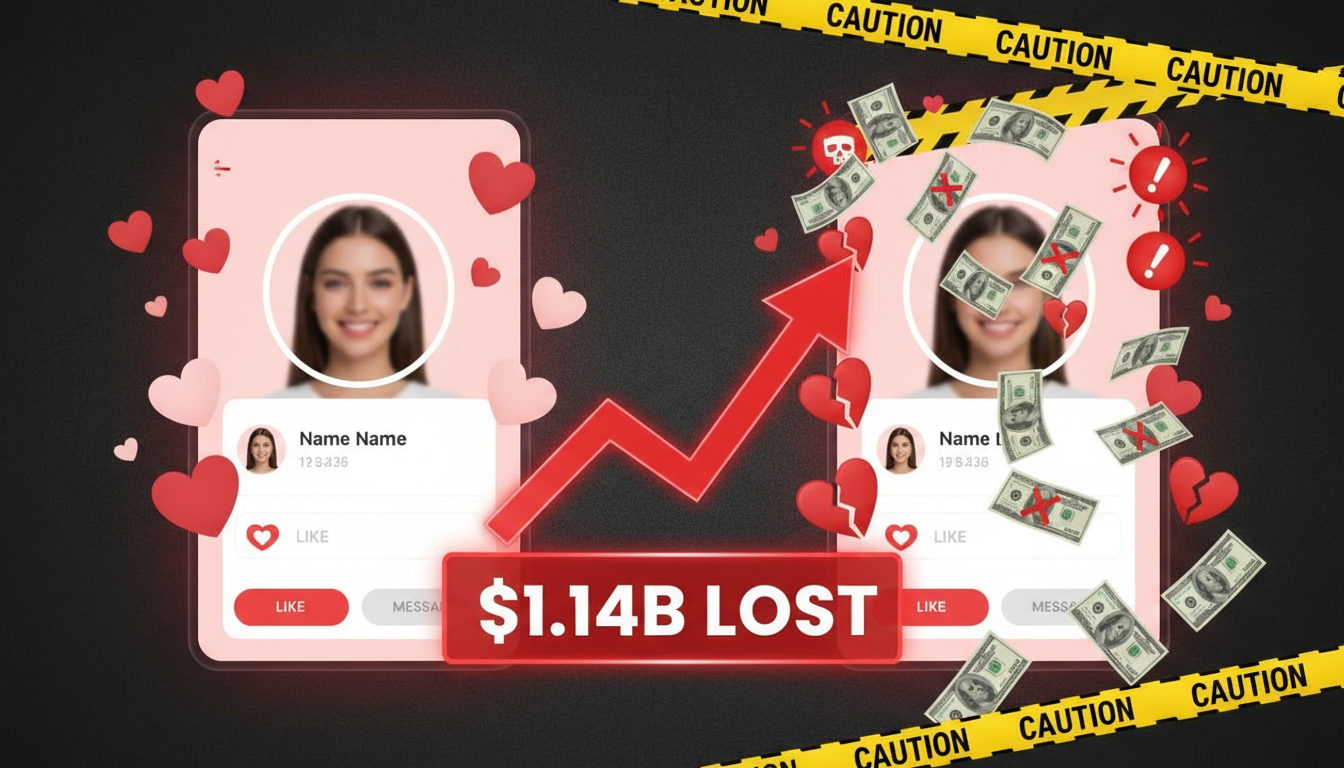
Romance scammers pretend to be someone else online and message random victims on social media platforms and dating apps. They claim that their victim is beautiful and they would like to get to know them more. The victim falls for the flattery and continues to message the scammer who acts like they want to get to know the victim more. The victim falls madly in love with the scammer and thinks that they are in a serious relationship with them.
The scammer makes false urgent excuses as to why they need to get their hands on your money. Since the victim loves and cares about the scammer, they send them money in cryptocurrency thinking that they are helping. The scammer keeps pressuring the victim for more money until the victim becomes bankrupt. The scammer blocks the victim once they steal all their money.
How to Avoid Cryptocurrency Scams
- Don’t add anyone on social media that you don’t know.
- Be wary if someone you know, a celebrity, or someone random messages you about something involving money or random links.
- Do your research before paying for something using cryptocurrency.
- Never send money/cryptocurrency, personal information, or financial information to someone online.
- Don’t create a friendship or a serious relationship with someone without video chatting with them or meeting them in person first.
- Be careful about who you send cryptocurrency to since it is untraceable.
- Don’t participate in any investment opportunity without researching it first, especially when there’s no risk involved.
- If someone is blackmailing you, block them immediately so that their threats will stop.
- Report the scam to your local police office, FTC, or IC3 to get the recovery help you need.
Social Catfish is Here to Help You!
At Social Catfish, we want to help you verify the identities of those who might seem suspicious to you. If you have their name, email address, phone number, social media username, or image, you can reverse search and see who the suspected person was that you’ve been in contact with when figuring out why do scammers ask for cryptocurrency.