 Multiple Faces Detected


 April 26th, 2022
What are Social Security Scams?
Social Security scams, or schemes, involve fraudulent attempts to gain access to, or misuse, a person’s social security number. Believe it or not, this type of scam is quite common, as there are millions of Americans receiving Social Security benefits.
A social security scam can present in many ways. It could be phone calls, texts, emails, or letters, attempted by scam artists to perform suspicious activities. These scammers might even target people they deem easy to take advantage of. They may target elderly or hard-of-hearing individuals or people with developmental delays or disabilities.
The tactics involved by social security scammers may vary, but all Social Security scams have the same end goal: to scam you using your social security number.

How to Tell if You’re Being Targeted by a Social Security Scammer
There are red flags that can tell you whether or not you are being targeted by social security scammer. Spotting these red flags involves listening closely to the person you’re talking to, and spotting patterns of deception. But what if I told you that there’s a way to tell for sure whether or not you’re being targeted? Well, you’re in luck. There is a way, and it’s called a reverse search. running a reverse search on the person you’re suspicious about can help you find out whether or not they’re have been engaged in spammy
Types of Social Security Scams
- Threatening Phone Calls: Many social security scams involve threatening phone calls. It could be a person or an automated voice that calls you pretending to work for the Social Security Administration. These calls may entail threats to arrest you or other threatening words. If someone threatens you with legal action, this is a sign it’s a scam.
- Friendly Service Phone Calls: This type of social security scam involves attempts to sell services, free of charge. They may offer to send you a new social security card, or other benefits.
- Emails and Phishing: Fake emails might have attachments or suspicious headlines. These emails are designed to look real, attempting to mimic real emails and documents produced by the Social Security Administration. Real social security emails will never ask you for personal information or your social security number.
- Mail Fraud: Another form of social security scam involves mail or letters. A red flag for mail fraud is offering money or asking for bank account information. The real Social Security Administration will not request personal information.
While these are some common schemes used by Social Security scammers, social security scams can present themselves in many ways. If something seems suspicious, always second guess yourself and look deeper providing any personal information. Better safe than sorry!

How to Tell if It’s Legitimate or a Scam
To help prevent being victimized by a social security scam, there are some key things to look out for. Knowing these signs can help you protect yourself and others from the many types of Social Security scams:
- Suspicious Deals: Offers to increase your social security benefits for money are a major red flag. This suggests the person is attempting some type of scam. Real social security employees will never make this kind of offer in exchange for payment.
- Threats of Legal Actions: Any time you receive a social security call that claims there’s an issue or problem with your number, this is likely a scam. This might be named a social security legal action call, or some other suspicious recording. The real SSA employees will never threaten arrests or legal actions over the phone.
- Asking for Your Social Security Number: A legitimate Social Security call will never outright ask you for your number. Many social security scams involve asking for your number directly.
- Poor Writing or Grammar: If you receive an email or letter with noticeably poor English or lots of spelling mistakes, this may be a sign of a social security scam. Real SSA emails will be proofed, polished, and look professional. The letter or email might also use government language or abbreviations to try to convince people it’s real, but this is a sign it is fake!

What to Do if You Suspect a Suspicious Social Security Scam
If you think you’ve identified something as potential spam, it’s best to hang up immediately. Do not continue the phone call. Never return a voicemail left by anyone claiming to be involved with Social Security. The best thing to do when you suspect a scam is not to engage, as this shows them you may be able to be taken advantage of.
You can report suspicious activity directly through the Social Security Administration website. To submit a report, fill out the online form, about any calls, texts, or emails you’ve received. This helps the real Social Security Administration crackdown on scammers out there and helps prevent potentially fraudulent activities.
Protecting your Social Security Number
In addition to staying up to date and aware of potential social security scams, there are some other measures you can take to help protect your social security number. Below are some tips to protect your social security number:
- Keep your Social Security card stored in a safe and protected place. Many people choose to open a secure lockbox at a local bank to hold their original copy of their Social Security Card.
- Shred any documents with your number on them after use
- Be mindful of who and when you share your number
How to Use The Internet Safely
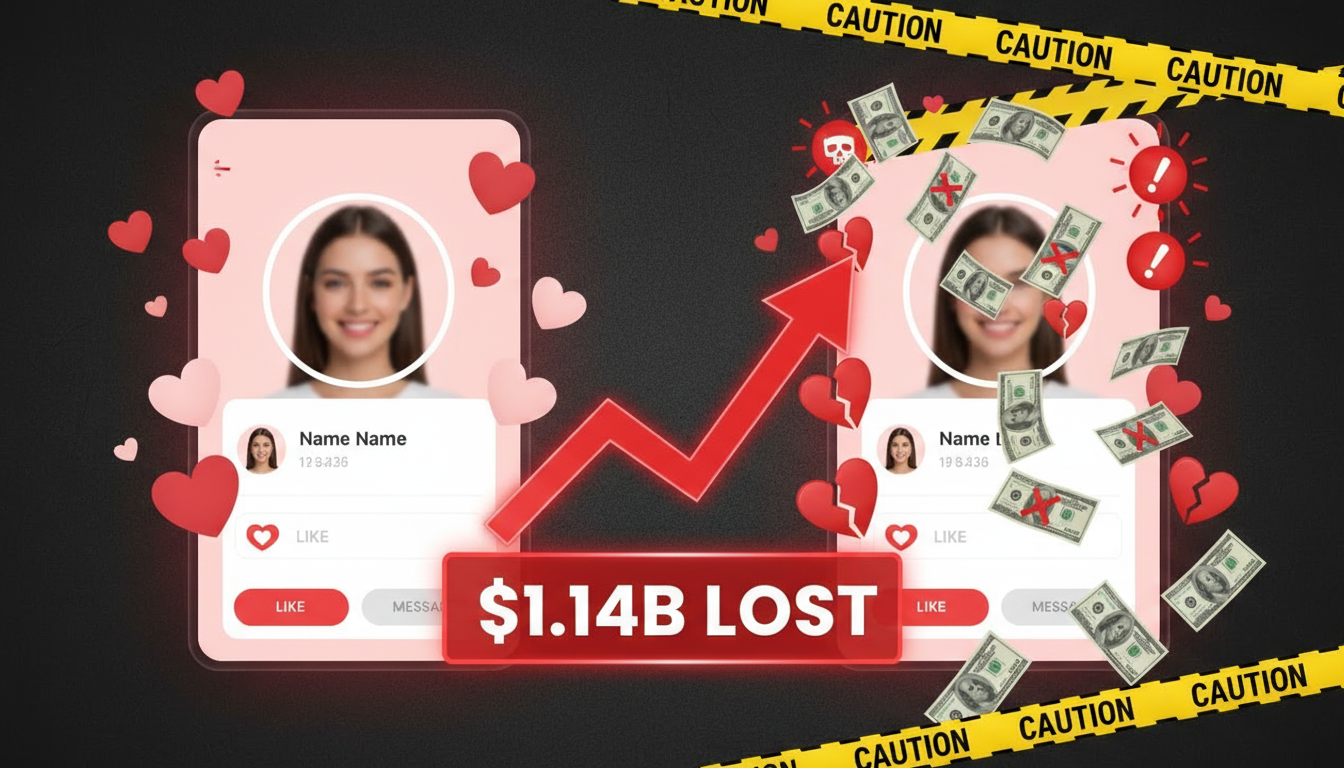
The amount of money lost due to internet scams increases every year. In fact, last year a record $547 million was lost to a romance scam 2021 alone. At socialcatfish.com, we are dedicated to preventing online scams. With Social Catfish, we give you the power to know exactly who you’re talking to online with just a simple search. Use the search bar below to know exactly who you’re talking to online.