 Multiple Faces Detected


 November 22nd, 2023
Where the flow of information is more rapid and interconnected than ever before, the sanctity of our personal and professional communications hinges on the security of our email accounts. Yet, as we navigate the expansive landscape of cyberspace, the risk of email breaches looms ominously. Whether it’s sensitive business correspondences, personal conversations, or confidential data, the contents of our email inboxes are an enticing target for cybercriminals and malicious actors. This blog post, titled “How to Prevent Email Breach,” serves as your comprehensive guide to fortifying your email security and safeguarding the wealth of information that flows through your virtual mailbox. Join us on this journey as we unravel the tools, techniques, and best practices that will help you shield your email account from prying eyes and potential breaches, preserving your digital privacy and peace of mind.
Understanding the Anatomy of Email Breaches
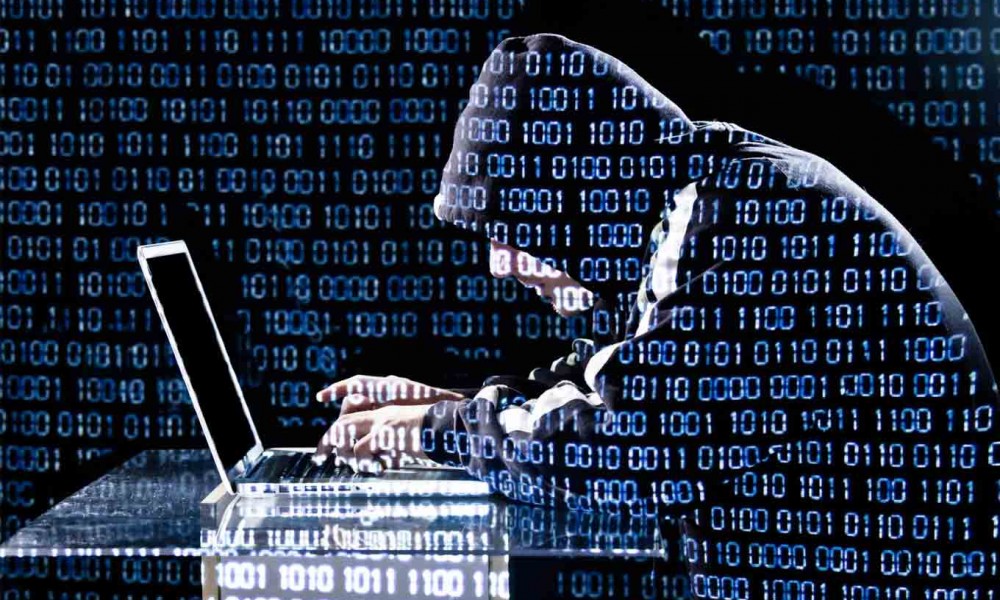
Email breaches are not merely random events; they follow a pattern and often have clear motivations. It’s essential to unravel the common methods and motivations behind these breaches to fortify your email security effectively. Cybercriminals and malicious actors employ various tactics, including phishing attacks, malware, and social engineering, to infiltrate email accounts. Understanding these methods is the first step in preventing email breaches.
One of the most common motivations behind email breaches is data theft. Hackers often target email accounts to gain access to sensitive information, such as personal identification, financial data, and business-critical documents. This stolen data can then be used for a variety of malicious purposes, including identity theft, financial fraud, and corporate espionage. Additionally, email breaches can lead to unauthorized access to sensitive correspondence, posing a significant risk to personal and professional relationships. By grasping the potential consequences of compromised email security and recognizing the tactics used by cybercriminals, you can better prepare to protect your digital communication channels.
This blog post will delve into the intricacies of email breaches, shedding light on the methods that cybercriminals employ and the motivations that drive them. By understanding the anatomy of email breaches, you’ll be equipped with the knowledge needed to proactively safeguard your email account from potential threats.
Fortifying Your Email Fortress: Best Practices for Prevention
Preventing email breaches requires a proactive approach that fortifies the defenses of your email fortress. To begin, it’s essential to strengthen the first line of defense—your password. A strong, unique password is the foundation of your email account’s security. Ensure that your password is a combination of letters, numbers, and special characters, making it difficult for cybercriminals to guess or crack. Regularly update your password and avoid using easily guessable information, such as birthdays or common words.
Enabling two-factor authentication (2FA) is another vital step in email security. 2FA adds an extra layer of protection by requiring not only a password but also a secondary verification method, such as a text message or authentication app code. This ensures that even if your password is compromised, unauthorized access remains nearly impossible. Additionally, staying vigilant against phishing attacks is crucial. Be cautious of unsolicited emails and avoid clicking on suspicious links or downloading attachments from unknown sources. Phishing attempts often disguise themselves as legitimate messages, making it essential to scrutinize the sender’s email address and verify the authenticity of the content.
This section of our blog post will guide you through the best practices for preventing email breaches. We’ll explore how to fortify your email security through robust passwords, 2FA, and a vigilant stance against phishing attempts. By adopting these proactive measures, you’ll significantly reduce the risk of email breaches and protect the integrity of your digital communication channels.
Recognizing Signs of Email Compromise
A critical aspect of email breach prevention is the ability to recognize signs of email compromise. Despite our best efforts to fortify email security, breaches can still occur. Detecting these breaches early is essential to minimizing damage and swiftly taking action. Signs of email compromise can include unusual or unauthorized activity in your email account. This may manifest as emails you didn’t send, folders or emails being deleted or moved without your knowledge, or unfamiliar contacts in your address book.
Phishing attacks, when successful, can lead to email compromise. If you notice a sudden increase in suspicious emails or a barrage of unexpected password reset requests, these can be signs that your email account is under attack. It’s also crucial to scrutinize your sent emails for messages you didn’t send. In such cases, your account may have been compromised, and unauthorized individuals could be using it to send spam or malicious content. If you notice any of these signs, it’s imperative to take immediate action to secure your email account and prevent further compromise.
This section of our blog post will delve into the red flags and suspicious activity that can indicate email compromise. By recognizing these signs early, you can act swiftly to mitigate the impact of a breach and protect your email security. Additionally, we will provide guidance on the steps to take if you suspect your email account has been compromised, ensuring that you’re well-prepared to respond effectively to potential threats.
Beyond Prevention: Mitigation and Recovery
Quick and decisive action is paramount to minimize the damage and secure your email account. While prevention is crucial, having a plan for mitigation and recovery is equally essential. If you suspect that your email has been compromised, the first step is to change your email account password immediately. This will prevent further unauthorized access and protect the integrity of your account. Consider using a strong, unique password that’s distinct from the compromised one.
Once you’ve secured your account, review your email settings and verify that no forwarding rules or filters have been added without your consent. Hackers often employ these tactics to divert your emails or maintain access to your account. Removing any suspicious rules or filters is crucial to restoring your email’s functionality and privacy. Additionally, it’s advisable to check your sent folder for any unauthorized messages. Inform your contacts about the breach, and if necessary, seek professional help or guidance to ensure that your account is thoroughly cleaned of any potential malicious activity.
Reporting the breach to the relevant authorities is also crucial, as it contributes to the overall security of the digital space. By taking these steps in the aftermath of an email breach, you can effectively mitigate the damage and secure your email account, ensuring that your online communications remain protected and trustworthy. This section of our blog post will provide you with a detailed strategy for dealing with the aftermath of an email breach, empowering you to respond effectively and safeguard your digital privacy.