 Multiple Faces Detected



 November 17th, 2023
Email is a ubiquitous communication tool in both our personal and professional lives. However, its widespread use also makes it a prime target for cybercriminals looking to exploit vulnerabilities. Email attacks come in various forms, and they can have devastating consequences if not detected and mitigated. From the seemingly harmless but deceitful phishing emails to the destructive ransomware attacks, it’s crucial to be aware of the various types of email threats that can compromise your security. In this blog post, we’ll explore some of the most prevalent email attacks, providing insights into how they work, their potential impact, and, most importantly, how you can protect yourself and your organization from falling victim to these insidious cyber threats.
Understanding Phishing Attacks
Phishing attacks are a prevalent and highly effective method used by cybercriminals to trick individuals into revealing sensitive information or executing harmful actions. These deceptive emails often masquerade as legitimate correspondence from trusted sources, such as banks, social media platforms, or even colleagues. The ultimate goal of a phishing attack is to deceive the recipient into revealing confidential information like login credentials, credit card numbers, or personal identification details. To achieve this, phishers employ a variety of tactics, including crafting convincing email templates, impersonating trusted entities, and leveraging psychological manipulation.
The essence of a phishing attack lies in its ability to manipulate human psychology. Cybercriminals create emails with a sense of urgency, fear, or curiosity to encourage recipients to take immediate action, like clicking on malicious links or downloading infected attachments. These emails often contain convincing logos, branding, and email addresses that closely resemble those of legitimate entities, making them difficult to distinguish from genuine communication. In recent years, phishing attacks have evolved from generic, mass-distributed emails to highly targeted, personalized messages tailored to the recipient’s interests and vulnerabilities. As such, understanding the intricacies of phishing attacks and recognizing the telltale signs is crucial for individuals and organizations to protect themselves from these pervasive threats.
To defend against phishing attacks, individuals should practice cautious email hygiene, scrutinize the sender’s address, verify the legitimacy of requests for sensitive information, and refrain from clicking on unverified links or downloading attachments from unknown sources. Additionally, organizations can implement email filtering systems and cybersecurity awareness training to educate employees about the dangers of phishing and the importance of reporting suspicious emails promptly.
Ransomware: Holding Your Data Hostage
Ransomware: A Lethal Digital Extortion
Ransomware attacks have become synonymous with data kidnapping in the digital age. In a typical ransomware attack, malicious software encrypts the victim’s files or even their entire system, rendering the data inaccessible. Attackers then demand a ransom, typically in cryptocurrency, in exchange for providing the victim with the decryption key necessary to unlock their files. This digital extortion is highly profitable for cybercriminals and has gained notoriety for crippling businesses, hospitals, and even entire cities.
The impact of a successful ransomware attack can be catastrophic. Organizations may be forced to decide between paying the ransom to recover their critical data or attempting to restore systems from backups, which can be time-consuming and costly. The consequences of not paying can be dire, as attackers have been known to leak sensitive data or even destroy it if their demands are not met. While the immediate financial cost is substantial, the damage to an organization’s reputation and trust can be equally devastating.
The Evolution of Ransomware
Ransomware has evolved over the years, becoming more sophisticated and adaptable. Early ransomware attacks were relatively simple, but cybercriminals have developed new techniques, such as using strong encryption methods and targeting high-value victims like government agencies, healthcare institutions, and large corporations. In some cases, attackers employ a double-extortion strategy, not only encrypting data but also exfiltrating sensitive information before locking it away. This dual threat puts additional pressure on victims to pay the ransom, as the exposure of confidential data can result in legal and reputational repercussions.
Ransomware attacks can occur through various vectors, including malicious email attachments, compromised websites, or vulnerabilities in unpatched software. The best defense against ransomware is a proactive one, consisting of regular software updates, robust antivirus and anti-malware tools, and security awareness training for employees. Additionally, maintaining secure, offsite backups of critical data can help organizations recover without giving in to the demands of cyber extortionists.
Social Engineering and Business Email Compromise (BEC): The Human Element in Email Attacks
The Art of Deception: Social Engineering in Email Attacks
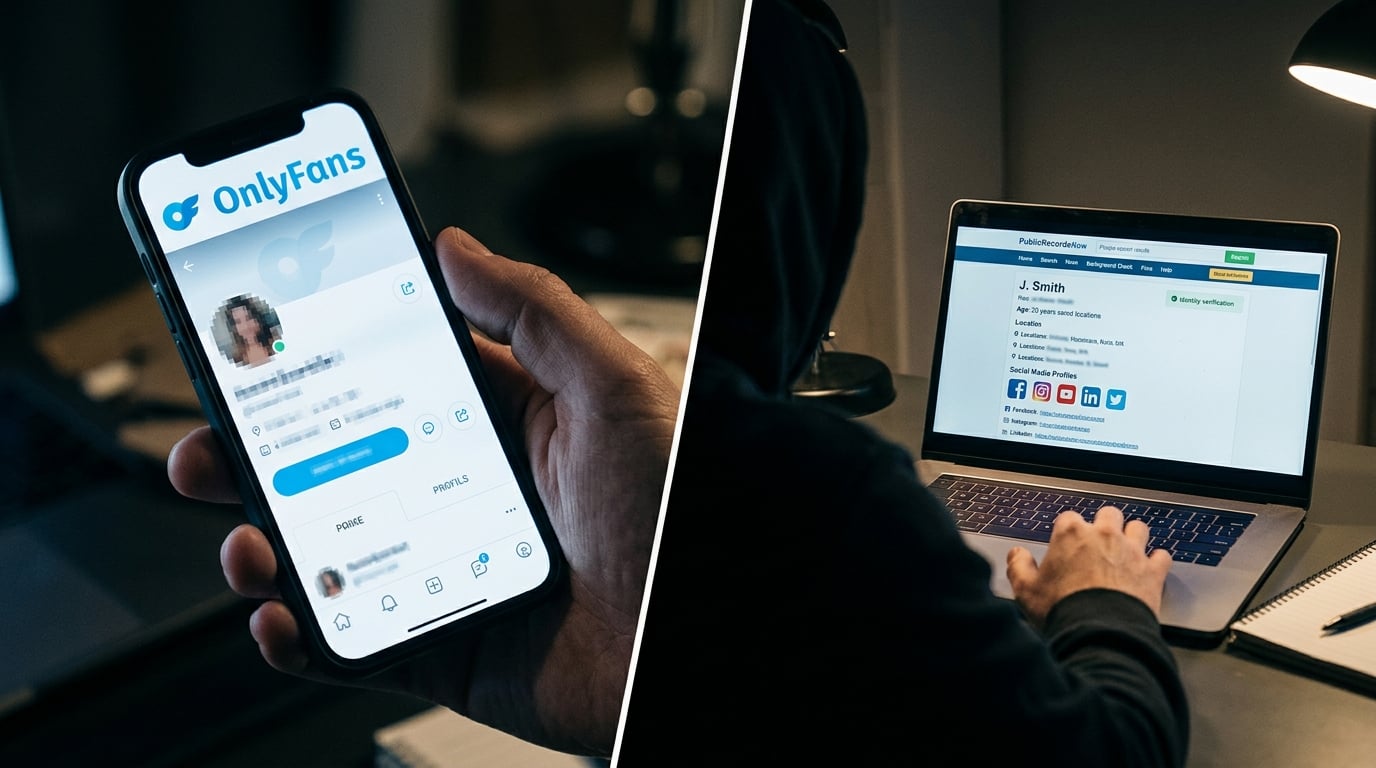
One of the most potent elements in email attacks is the human factor, and social engineering exploits it skillfully. Cybercriminals often employ psychological manipulation to deceive recipients into taking actions they wouldn’t otherwise. The art of social engineering can manifest in various ways, from impersonating a trusted colleague or superior to creating a false sense of urgency, fear, or curiosity. Attackers may use personal information scraped from social media profiles to make their messages appear more convincing.
A common form of social engineering in email attacks involves phishing. In phishing emails, cybercriminals craft messages that appear to come from legitimate sources, such as banks, government agencies, or well-known companies. These messages often contain alarming claims, such as account issues or security breaches, designed to provoke a quick and emotional response from recipients. Under the pressure of the moment, individuals may inadvertently reveal sensitive information or click on malicious links, which can lead to data breaches, malware infections, or financial losses.
The Business Email Compromise (BEC) Scam
Business Email Compromise, or BEC, is a highly targeted email attack that focuses on organizations and their employees. In a BEC scam, attackers use social engineering techniques to compromise business email accounts, often through email spoofing or impersonation. Once they gain access, they use the compromised account to impersonate an executive, manager, or a trusted colleague, instructing employees to transfer funds, share sensitive data, or perform other actions that serve the attacker’s interests.
BEC attacks have grown increasingly sophisticated, with attackers meticulously researching their targets and mimicking their communication style to avoid suspicion. They often exploit real-world events or events within an organization to lend credibility to their messages. These attacks can have significant financial consequences for businesses, as fraudulent wire transfers or unauthorized disclosures can lead to substantial monetary losses and damage a company’s reputation.
Educating Against Social Engineering
To combat email attacks that capitalize on social engineering, organizations must invest in employee education and awareness. Employees should be trained to recognize the hallmarks of phishing and BEC attacks, such as unusual sender addresses, requests for sensitive information, or irregularities in email communication. Implementing robust email filtering systems and multi-factor authentication can also bolster defenses against social engineering tactics. In a world where email is both a critical communication tool and a significant security risk, vigilance and education are essential to mitigate the human element in email attacks.
Defensive Strategies: Strengthening Your Email Security Armor Against Various Threats
Email security is a critical component of safeguarding sensitive information and preventing data breaches. As the cyber threat landscape continues to evolve, organizations must strengthen their email security armor to defend against various threats. Here are some proactive strategies to enhance your email security:
1. Advanced Email Filtering and Anti-Malware Tools
Implementing robust email filtering and anti-malware solutions is the first line of defense. These tools can automatically scan incoming and outgoing emails for known threats, such as malware, viruses, and phishing attempts. They also play a vital role in blocking spam and suspicious emails from reaching your inbox.
2. Employee Training and Awareness
Your employees are the last line of defense when it comes to email security. Regularly educate your staff about the latest email threats, such as phishing, BEC, and ransomware. Teach them to recognize the signs of malicious emails, including suspicious sender addresses, unsolicited attachments or links, and unusual language or requests. Conduct simulated phishing exercises to reinforce best practices and identify employees who may need additional training.
3. Strong Authentication and Access Controls
Implement multi-factor authentication (MFA) to add an extra layer of security to email accounts. MFA requires users to provide two or more verification factors before gaining access to their accounts, making it much more challenging for attackers to compromise email credentials. Additionally, restrict access to sensitive information to authorized personnel only and regularly review and update user permissions.
4. Encryption for Sensitive Data
Encrypting sensitive data within emails helps protect it from unauthorized access. Implement end-to-end encryption solutions to secure data both in transit and at rest. This extra layer of protection ensures that even if an email is intercepted, its contents remain unreadable to unauthorized parties.
5. Patch Management and Regular Updates
Ensure that all email systems and associated software are regularly updated with the latest security patches. Cybercriminals often exploit vulnerabilities in outdated systems to launch attacks. Regular updates and patch management help close these security gaps and reduce the risk of email-related security breaches.
6. Incident Response Plan
Develop a robust incident response plan specific to email security incidents. This plan should outline the steps to take if a security breach or email attack is detected. It should include communication protocols, data recovery procedures, and a post-incident analysis to prevent similar incidents in the future.
7. Regular Audits and Assessments
Conduct regular email security audits and assessments to identify potential weaknesses and areas for improvement. These audits can include penetration testing, vulnerability assessments, and compliance checks to ensure that your email security measures are effective and up to date.