
 Multiple Faces Detected


 August 5th, 2025
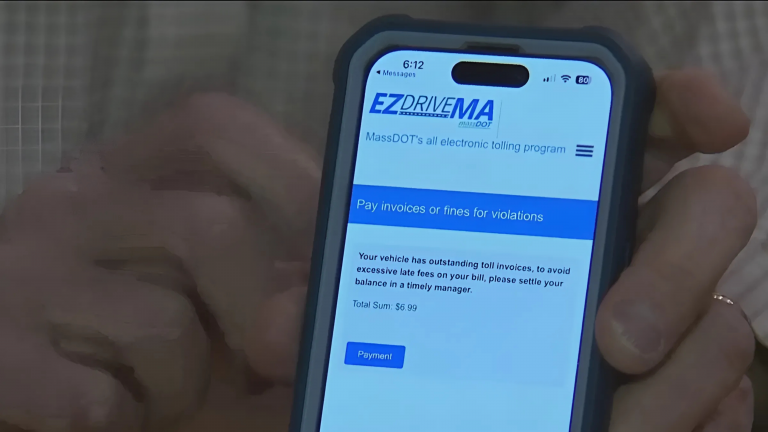
You get a text. It looks official. “Your vehicle has an unpaid toll invoice,” it says. The message claims to be from EzDriveMA. It wants $6.99. And it’s completely fake.
The EZDriveMA scam has been spreading rapidly across Massachusetts since January 2025. The Massachusetts Department of Transportation warns that scammers are targeting drivers with fake toll bills. But here’s the thing – they’re not just after your $6.99.
What Is the EZDriveMA Text Scam?

The EZDriveMA text scam is a type of “smishing” – SMS phishing. Scammers send fake text messages pretending to be from Massachusetts’ electronic toll system. They claim you owe money for unpaid tolls and need to pay immediately to avoid late fees.
These messages look convincing. They use official-sounding language. They create urgency. And they prey on a simple fear – nobody wants surprise toll charges piling up.
But EzDriveMA will never request payment by text. Ever.
The scam first appeared in June 2024, according to CBS Boston. It surged again during the holidays. Now it’s back with a vengeance in 2025.
How the Scam Actually Works
Here’s what happens when you get one of these texts:
Step 1: You receive a message claiming to be from EzDriveMA
Step 2: It says you owe a small amount, usually $6.99
Step 3: There’s a link to “pay now” and avoid late fees
Step 4: Clicking the link takes you to a fake payment site
Step 5: You enter your personal and financial information
Step 6: Scammers steal your data and potentially your identity
The $6.99 amount isn’t random. Scammers chose this figure because it’s small enough that people pay without questioning it.
But they’re not just collecting $6.99. They’re harvesting credit card numbers, social security numbers, and other personal data. That’s worth far more than a toll payment.
Red Flags That Scream “Scam”
Smart drivers can spot these fakes. Look for these warning signs:
Wrong phone numbers: Many scam texts come from international numbers. One victim noticed a Philippines country code (63) in the sender’s number.
Suspicious URLs: Real EzDriveMA links always include www.EZDriveMA.com. Scam links use shortened URLs or completely different domains.
Generic messaging: The texts don’t include specific vehicle information or actual toll locations.
Urgent language: Phrases like “pay immediately” or “avoid excessive late fees” are designed to prompt a sense of urgency and prompt you to click.
Text-based billing: Massachusetts DOT emphasizes that EzDriveMA never sends bills via text message.
If you’re unsure about a message, don’t click anything. Visit the official EzDriveMA website directly or contact their customer service at 877-627-7745.
Who’s Getting Targeted?
The scammers aren’t using sophisticated targeting. According to MassDOT, “the targeted phone numbers seem to be chosen at random and are not uniquely associated with an account or usage of toll roads.”
This means you could get the scam text even if you’ve never driven on a Massachusetts toll road. The scammers are casting a wide net, hoping some people will bite.
Even MassDOT Highway Administrator Jonathan Gulliver received one of these messages. Similarly, police officers in multiple departments did the same. Nobody’s immune.
The Real Cost of Falling for This Scam
That $6.99 is just the beginning. Here’s what you’re really risking:
Identity theft: Scammers collect enough information to open accounts in your name
Credit card fraud: They can make unauthorized purchases or cash advances
Bank account access: Some victims report unauthorized withdrawals
Long-term financial damage: Cleaning up identity theft can take years and cost thousands
The FBI’s Internet Crime Complaint Center received over 2,000 complaints about toll-related smishing scams by April 2024. And that’s just the people who reported it.
What to Do If You Get the Text
If you receive a suspicious toll-related text message:
- Don’t click anything – Not the link, not “reply to stop,” nothing
- Don’t respond – Any interaction confirms your number is active
- Delete the message immediately
- Check your account by going directly to EzDriveMA.com
- Report it to the FBI’s Internet Crime Complaint Center at ic3.gov
Include the phone number the text came from and any websites mentioned in your report.
Already Clicked? Here’s Your Emergency Plan
If you already clicked the link or entered information:
Immediate actions:
- Contact your bank and credit card companies
- Put fraud alerts on all accounts
- Change all passwords for financial accounts
- Monitor your credit reports closely
- Dispute any unfamiliar charges immediately
Ongoing protection:
- Consider freezing your credit
- Set up account alerts for all financial activity
- Keep detailed records of all communications with financial institutions
As MassDOT’s Gulliver advises: “First thing you should do, don’t call us. Call your bank or your credit card.”
Why These Scams Keep Working
Smishing attacks succeed because they exploit human psychology. We’re busy. We’re distracted. We receive an urgent message about money we supposedly owe, and our first instinct is to rectify the situation quickly.
The scammers know this. They create artificial urgency. They use small amounts that seem reasonable. They impersonate trusted organizations.
Plus, text messages feel more personal than emails. We’re more likely to trust them. Unlike emails, fewer spam filters are protecting us from malicious text messages.
Protecting Yourself from Future Scams
Trust your gut: If something feels off, it probably is. Delete suspicious messages without engaging.
Verify independently: Always contact organizations directly using official phone numbers or websites.
Keep software updated: Updated phones have better security features.
Be skeptical of urgency: Legitimate companies rarely demand immediate payment via text.
Educate your family: Make sure everyone knows about these scams, especially older adults and teens who might be more vulnerable.
The Bigger Picture: Smishing Is Everywhere
The EzDriveMA scam is part of a larger trend. Scammers are impersonating delivery services, tax agencies, and other trusted organizations.
Similar toll scams have hit New Hampshire, Rhode Island, and other states. The tactics are the same – create urgency, demand small payments, and steal personal information.
These scammer messages are becoming more sophisticated. But the basic protection remains the same: when in doubt, don’t click.
Getting Help When You Need It
If you’re dealing with the aftermath of a scam, you don’t have to handle it alone. Professional services can help you investigate suspicious communications and protect your identity.
Social Catfish’s search specialists can help verify the legitimacy of communications and assist with investigations related to scams. Sometimes, having expert help makes all the difference in protecting yourself and your family.
Your Best Defense Against Toll Scams
The EzDriveMA scam exploits our desire to be responsible citizens who pay their bills. But remember – legitimate toll authorities have established procedures for billing and collection. They don’t send urgent text messages demanding immediate payment.
When you get that text claiming you owe toll money, pause. Take a breath. Then delete it and move on with your day. Your wallet—and your identity—will thank you.
Stay vigilant out there. The scammers are counting on you to act first and think later. Don’t give them what they want.
For more information about protecting yourself from various types of scams, visit Social Catfish for scam awareness resources and tools to help verify suspicious communications.