
 Multiple Faces Detected


 May 7th, 2025
Smishing is a serious and growing cybersecurity threat. Unlike many traditional scams, it can bypass advanced security measures, including two-factor authentication (2FA), which many individuals and organizations rely on for protection.
Unlike spam emails that end up in your junk folder, these text messages go straight to your phone, where you’re more likely to see them, trust them, and act fast without double-checking.
This article will show you how smishing works, what red flags to watch for, and the simple steps you can take right now to avoid getting caught.
How Smishing Attacks Work?
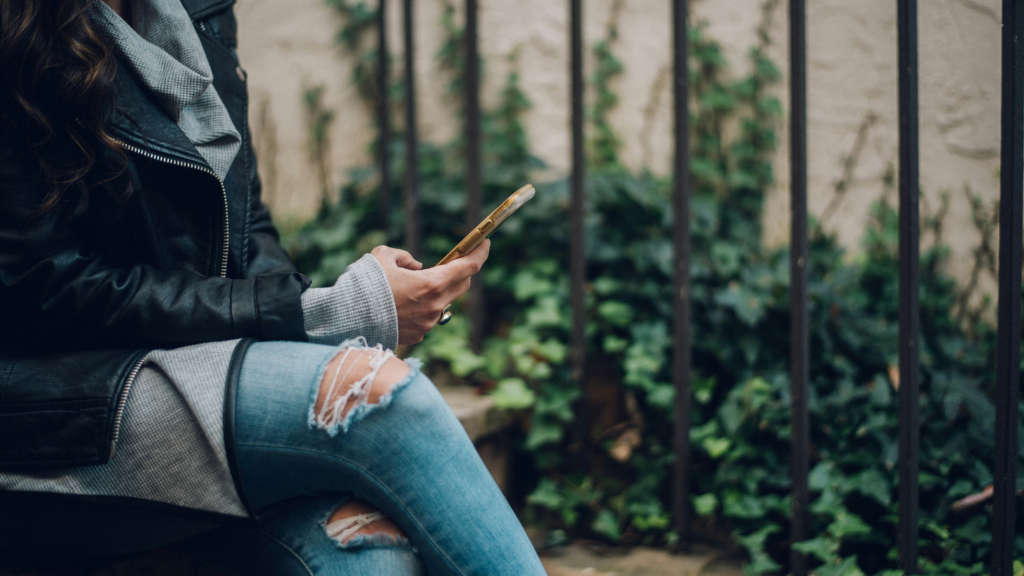
Smishing attacks typically begin with an urgent text message. The message may claim there is suspicious activity on your bank account, a missed delivery, or a prize waiting to be claimed. It usually contains a link or a phone number and encourages immediate action.
The objective is to convince you to share sensitive information such as passwords, credit card numbers, or banking credentials.
To appear legitimate, scammers often disguise their messages to look as though they come from trusted organizations like banks, delivery companies, or even government agencies. This tactic is known as “spoofing,” and it makes the message harder to question.
Common characteristics of smishing messages include:
- Phrases like “act now,” “your account will be suspended,” or “unauthorized activity detected.”
- Spoofed sender ID messages may appear to come from a known or official number.
- Links to fake websites designed to imitate real login or verification pages.
- Requests for sensitive information, including passwords, account numbers, or personal details.
- Instructions on how to call a number where a scammer may impersonate a support agent.
Understanding how attackers spoof legitimate organizations is key to learning how to avoiding SMS phishing scams.
Types of Smishing Attacks
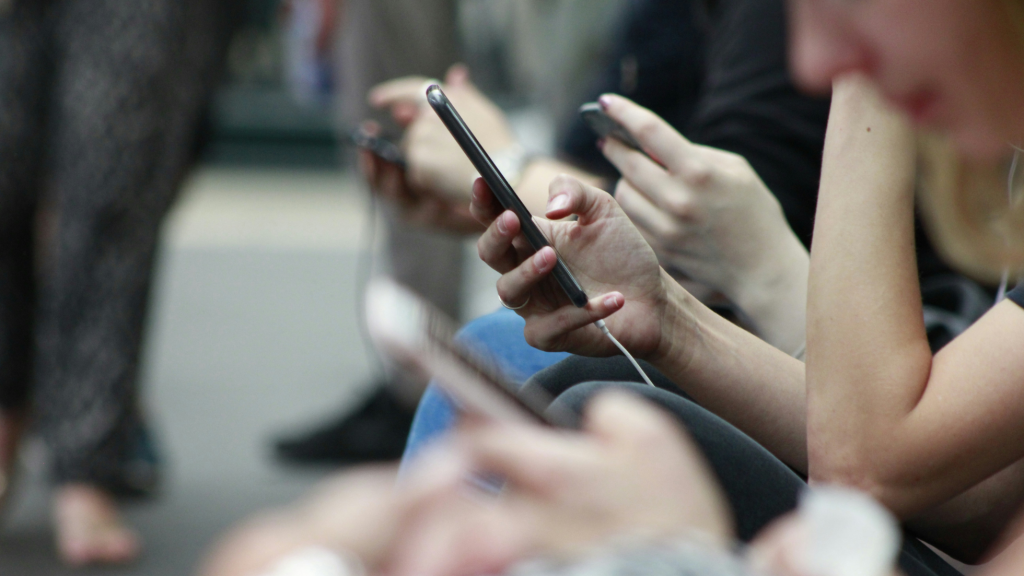
Smishing scams are built on manipulation. Scammers craft fake but believable messages to trigger an emotional reaction, usually fear, urgency, or curiosity. This tactic, known as pretexting, helps them gain trust and push victims into making quick decisions they normally wouldn’t.
Here are the most common types of smishing scams and how they operate:
Posing as a Bank or Financial Institution
According to the Federal Trade Commission (FTC), bank impersonation is the most widespread form of smishing, making up roughly 10% of all reported smishing messages.
Scammers frequently impersonate banks, sending fake alerts about suspicious transactions or locked accounts.
These texts often contain links to fake bank websites designed to capture your login credentials, account numbers, or card details by imitating trusted financial institutions.
Pretending to Represent Government Agencies
Fraudsters may claim to be from agencies like the IRS, police departments, or benefits offices. Their messages often:
- Threaten fines or legal action
- Promise access to government benefits
In April 2024, the FBI issued a warning about a scam targeting U.S. drivers. Fraudsters posed as toll agencies, claimed unpaid fees, and directed victims to a fake payment site that harvested personal and financial data.
Impersonating Customer Support
Attackers may pose as representatives from well-known brands such as Amazon, Microsoft, or mobile service providers. These messages typically report a problem with the user’s account or reference a pending refund or reward.
If you’re unsure whether the person messaging you is who they claim to be, facial recognition search tools can help verify whether their photos have been stolen or are tied to scam accounts.
Faking Shipping Issues
These messages claim to be from couriers like FedEx, UPS, or the U.S. Postal Service. They tell the recipient that a package couldn’t be delivered and request payment of a small fee or account verification.
Fake shipping texts often target people actively buying online and tie directly into broader online shopping scams that trick users through counterfeit tracking links or checkout pages.
These scams are especially common during the holiday season when shipping activity is high.
Business Text Compromise
Similar to business email scams, this version uses text messages. The scammer impersonates:
- A manager or coworker
- A vendor or legal contact
Some messages posing as “customer support” or job opportunities are actually mystery shopping scams designed to collect sensitive data under the guise of employment verification.
If the scam leads to an email exchange, a reverse email lookup can help verify whether the sender is real or part of a known scam pattern.
Wrong Number Approach
Here, the scam starts with a message that appears to be sent to the wrong person. When the recipient replies to correct the sender, the scammer engages in friendly conversation, slowly building trust. Over time, the goal is to:
- Propose fake investment opportunities
- Request loans or financial help
- Develop a fake romantic relationship for eventual financial exploitation
Multifactor Authentication (MFA) Fraud
In this tactic, the scammer already has the victim’s login credentials but lacks access to the verification code needed to log in. They may pretend to be a friend locked out of their social media account.
The code the victim receives is actually for their account, giving full access to the scammer.
Offering Fake or Infected Mobile Apps
Some smishing texts encourage users to download mobile apps that appear legitimate, such as antivirus tools, payment apps, or file organizers. In reality, these apps may contain spyware, ransomware, or trojans that steal passwords or financial data.
Real-World Smishing Cases
These documented incidents show how smishing attacks have impacted individuals across various situations:
Fifth Third Bank Smishing and ATM Fraud
Fifth Third Bank customers received text messages falsely claiming their accounts had been locked. They were directed to a fake website mimicking the bank’s login page, where they unknowingly submitted their banking credentials.
Using the stolen information, scammers withdrew $68,000 from 17 ATMs around Cincinnati, affecting 125 customers.
Operation Genmaicha
Australian Federal Police found a major smishing operation involving SIM boxes that sent over 10,000 fraudulent messages in two weeks.
The messages impersonated banks and telecom companies, aiming to collect customer login details. One bank reported 45 victims, including a single individual who lost more than $30,000.
Singapore Bank Smishing Incident
A smishing attack on a Singapore bank led to $13.7 million in losses across 790 customers. Victims received fraudulent messages and were tricked into revealing sensitive login or banking information.
The average amount lost per person was approximately S$17,300 (around USD 12,800), making it one of the region’s costliest attacks.
The Royal Mail Scam in the UK
Scammers in the UK sent fake texts pretending to be from Royal Mail, claiming parcels were held due to unpaid delivery fees. Victims were directed to fake payment portals, resulting in unauthorized charges or theft.
The scale of the scam was significant, with a 1,077% surge in Royal Mail-related fraud reports in 2020.
These cases show that scammers constantly adjust their tactics. To understand the bigger picture, it’s helpful to study how phishing scams are adapting across platforms and technologies.
How to Protect Yourself from Smishing Attacks?
Following a few best practices can help you avoid both SMS and email-based threats. These simple habits make it easier to identify and prevent phishing attempts before they reach your inbox or phone.
- If you receive a message that feels urgent, like a locked account or a missed delivery, take a moment before reacting.
- Never share personal or financial information by text. Legitimate companies will not ask for passwords, PINs, or credit card numbers through SMS.
- Smishing messages often come from unfamiliar or shortened numbers. In some cases, they might even spoof a trusted name. When in doubt, conducting a reverse phone lookup can help verify whether the number is legitimate or part of a scam.
- Use spam filters and antivirus apps on your phone.
- If you receive a suspicious text, report it to your mobile carrier or directly to your local cybercrime unit. Reporting helps protect others, too.
When You Need to Know Who’s Really Behind That Message?
Smishing doesn’t always end with one text. In many cases, scammers go on to create fake identities, impersonate loved ones, or build trust over time to steal more.
If you’ve been contacted by someone you’re not sure about, or if you’ve already shared personal information and don’t know what to do next, getting help from professionals can make all the difference.
Social Catfish offers professional verification services through a dedicated team of private investigators. Our search specialists focus on confirming identities, identifying fraudulent activity, and providing individuals with clarity and peace of mind.
Here’s what one of our customers has to say:
“Thank you very much for your help Erin. I am 78yrs old and find it hard to wade through things at times however you not only answered my enquiry but pointed me in the right direction for further help especially with reactivating my account again. I really appreciate your input.” – Patricia