Multiple Faces Detected


 March 1st, 2025
You check your phone and see a message from an unknown number. Hey, is this you? No name, no context, just a text that could mean anything. Do you reply? Ignore it? Could it be important?
Anonymous text messages are becoming more common every year. In fact, 96.8% of people have received spam messages in some form, from sketchy links to fake delivery updates.
While some texts are harmless, others raise red flags. They spark curiosity, sometimes excitement, sometimes concern. Who’s behind them? Are they safe? Or are they just another way for scammers to trick people?
Let’s break it down and find out.
Why People Use Anonymous Texts?
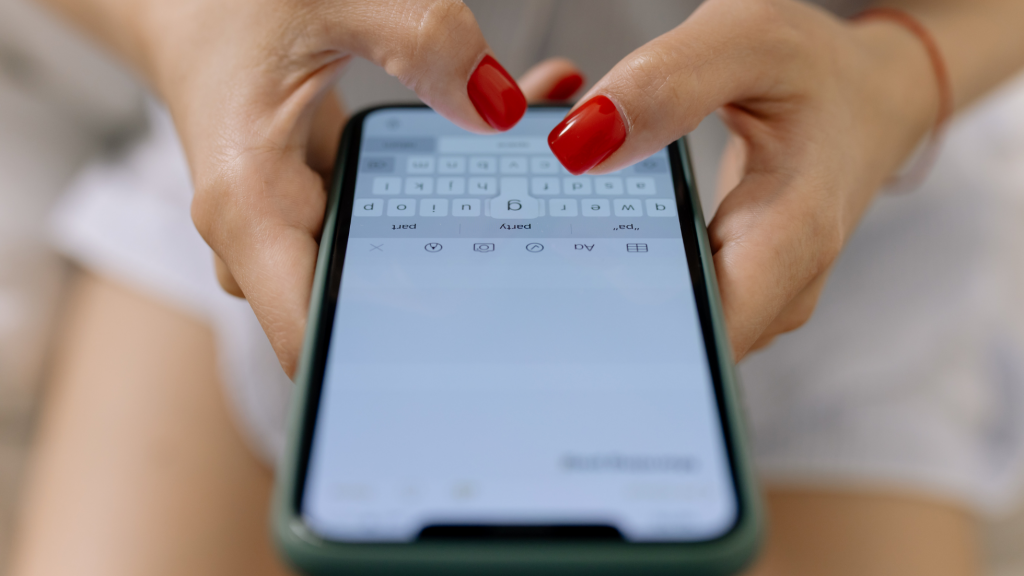
Anonymity is a valued aspect of online communication because it helps people express themselves more freely, take part in discussions, and share different opinions with more honesty and openness.
It also makes forums a good place to ask and share information about sensitive topics or things that might be seen as inappropriate or stigmatized elsewhere.
Anonymity can make some forum users seem more trustworthy and “unbiased,” compared to those who use their real names.
The main reasons for sending anonymous messages are:
Privacy concerns
Sharing sensitive information without revealing your identity can be important in situations like whistleblowing, reporting harassment, or talking about personal matters that might lead to judgment or social stigma.
Fear of consequences
Staying anonymous can help avoid negative outcomes such as backlash, disapproval from others, or even legal trouble, depending on what the message is about.
Open communication
Being anonymous can help people give honest and direct feedback, especially when speaking to authority figures or sharing criticism without worrying about negative consequences.
Social anxiety
Some people feel more at ease expressing themselves when their identity is hidden, especially if they struggle with social anxiety or worry about being judged by others.
However, it’s important to recognize that anonymity is mostly misused for harmful purposes, such as cyberbullying, spreading false information, or engaging in harassment.
The Dangers of Anonymous Messages
Not every anonymous text is harmless. Some are just irritating, but others can put your personal information or even your well-being at risk. Here are some of the biggest dangers to watch out for:
Phishing Attempts
Scammers love anonymous messages because they make it easy to pretend they’re someone they’re not.
You might get a text claiming you’ve won a contest you never entered, an urgent alert about a “problem” with your bank account, or even a too-good-to-be-true job offer.
These messages often use urgency to pressure you into acting fast. They may prompt you to click a link, provide personal information, or make a payment.
The moment you engage, you’re at risk of losing money or having your sensitive information stolen.
Fraudulent Links
Some anonymous texts include links that, at first glance, seem legit.
They might look like a package tracking update, a password reset request, or even a survey from a well-known brand.
But the moment you tap, you could download malware onto your phone or land on a phishing site designed to steal your login credentials.
A good rule of thumb is If a link comes from an unknown number, don’t click.
Identity Theft
Anonymous messages and calls can sometimes come from people pretending to be someone they’re not.
A scammer might pose as a friend who lost their phone, a distant relative needing urgent help, or even a company you trust.
Suppose you’ve ever received a “No Caller ID“ call. In that case, it might be useful to understand the common scenarios where these calls originate and how scammers use them to steal personal information.
It’s easy to fall for these scams, especially if they reference real details about your life. Scammers can scrape data from social media or public databases to make their messages more convincing.
Harassment & Cyberbullying
Getting anonymous messages can be emotionally upsetting.
Some people hide their identity to send mean or threatening messages, whether it’s cyberbullying blackmail, or constant unwanted contact.
Humans naturally focus more on negative things than positive ones. Research by Baumeister et al. found that negative events have a much stronger impact on emotions and behavior than positive ones.
Because of this, bad news, harsh words, and negative interactions affect people more deeply than good ones. This is especially true for young people who rely on social approval. Negative feedback can hurt their self-esteem, making them more vulnerable to online bullying.
Impact on Mental Health
Constant exposure to anonymous messages, especially ones that are aggressive and manipulative, can wear on your mental health. It can become exhausting if you’re always wondering who’s texting you or worrying about scams.
But you don’t have to deal with that stress. Knowing the risks and using tools to spot unknown senders can help you feel more in control and stay safe.
How to Spot a Suspicious Anonymous Text?
Scammers often use the same tactics to trick people into engaging, and recognizing these patterns can help you avoid falling for their schemes. Here’s how to tell if a message might be unsafe:
It Sounds Urgent or Tries to Scare You
Scammers want you to act fast without thinking. They might say your bank account is locked, a package is stuck, or a family member is in danger. Their goal is to make you panic and reply right away.
Legit companies usually don’t send urgent texts like this. If a message tries to scare you into acting quickly, it’s best to ignore it.
It Has a Link, Especially a Short One
If a text from a number you don’t know includes a link, be careful. Scammers often hide dangerous websites using short links like bit.ly or tinyurl. Clicking on them can steal your info or install harmful software on your phone.
It Has Bad Grammar or Looks Strange
A lot of scam texts sound odd, with words missing, bad spelling, or random capital letters. That’s because many of them come from overseas.
If a message looks messy or unnatural, it’s probably a scam.
It Asks for Personal Information
Legit companies will never text you asking for passwords, bank details, or Social Security numbers. If someone you don’t know asks for this info, it could lead to credit card fraud.
Even if the message seems to come from a company you trust, don’t reply. Instead, contact them directly to see if it’s real.
You Get a Random Code You Didn’t Ask For
If you receive a one-time password (OTP) or verification code without trying to log in anywhere, someone might be trying to hack your account. Scammers do this to trick you into sending them the code.
If a message feels off, it probably is. Trust your instincts, avoid clicking links, and never share personal details. Staying cautious can keep you one step ahead of scammers.
Common Apps Used for Anonymous Communication
Anonymous messaging apps make it easy to send texts without revealing a real phone number. Some people use them for privacy, while others take advantage of them for scams, pranks, or harassment. Knowing where these messages come from can help you stay cautious.
NGL (Not Gonna Lie)
NGL became popular by letting people send and receive anonymous messages through Instagram and Snapchat. It was made for lighthearted Q&A sessions, but it has also been used for mean messages.
Yik Yak
YikYak is a local anonymous chat app where people post messages for others nearby to see. Some use it for fun, but cyberbullying and harassment are also common there.
Omegle (Before It Shut Down in 2023)
Omegle was a website that let people chat with strangers through text and video. While some used it for harmless conversations, it was also known for inappropriate behavior and scams. Even though Omegle is gone, similar anonymous chat sites still exist.
Telegram
Telegram is an encrypted messaging app that lets people chat privately. While it’s great for security, some scammers and cybercriminals use it to send anonymous messages and set up fake deals.
Google Voice
Google Voice gives users a free second phone number. Many people use it for work or privacy, but scammers also use it to hide their identity when sending fake messages.
Discord (With Anonymous Accounts)
Discord is a messaging app that allows users to create accounts without personal details. It’s mostly used for gaming and online communities, but scammers sometimes use it to send fake offers and phishing messages.
What Should You Do If You Receive an Anonymous Text?
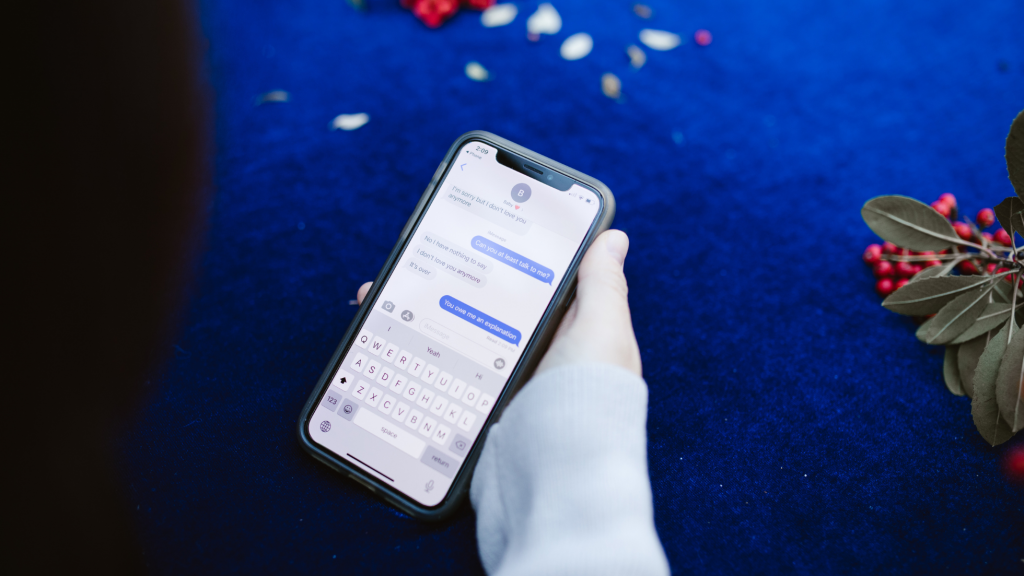
Instead of guessing the offender, follow these tips to stay safe:
Tip #1: Don’t Engage
The easiest way to protect yourself is to ignore the message.
Don’t reply. Even a simple “Who is this?” lets scammers know your number is active, which could lead to more spam. Secondly, never click on links. They could lead to phishing sites or install malware on your phone.
Tip #2: Block & Report
If a text seems suspicious, stop it from reaching you again by blocking it. Both iPhones and Androids let you block numbers with a few taps.
You can also report the message. Most phone carriers allow you to report spam texts by forwarding them to 7726 (SPAM). You can also report scam messages to your local fraud authorities.
If you’re uncertain about the legitimacy of a message, seeking help from a professional cybercrime investigator can assist in recovering from scams.
Tip #3: Verify the Source
If the message feels important, maybe it claims to be from a company you know or someone you might actually need to talk to, take a moment to check.
Use a Reverse Phone Number Search to find out who’s behind the text. It helps identify whether the number is linked to scams or fraudulent activity.
Final Word
Social Catfish is a service that helps people determine if someone online is real or fake. It has a Reverse Phone Lookup tool that lets you check unknown numbers to see if they’ve been linked to scams or fraud.
If you get a text from a number you don’t recognize, and it seems suspicious, don’t reply. Avoid clicking anything, block the sender, and stay cautious.
If you’re unsure about a number, Social Catfish’s Reverse Phone Lookup can help you find out who’s behind it.