
 Multiple Faces Detected



 August 6th, 2025
Ever wondered what forgery really means? You’ve probably heard the term thrown around in movies or news stories. But forgery is more than just fake signatures on checks.
It’s a serious crime that affects millions of people every year. And it’s happening more often than you might think.
What Is Forgery?
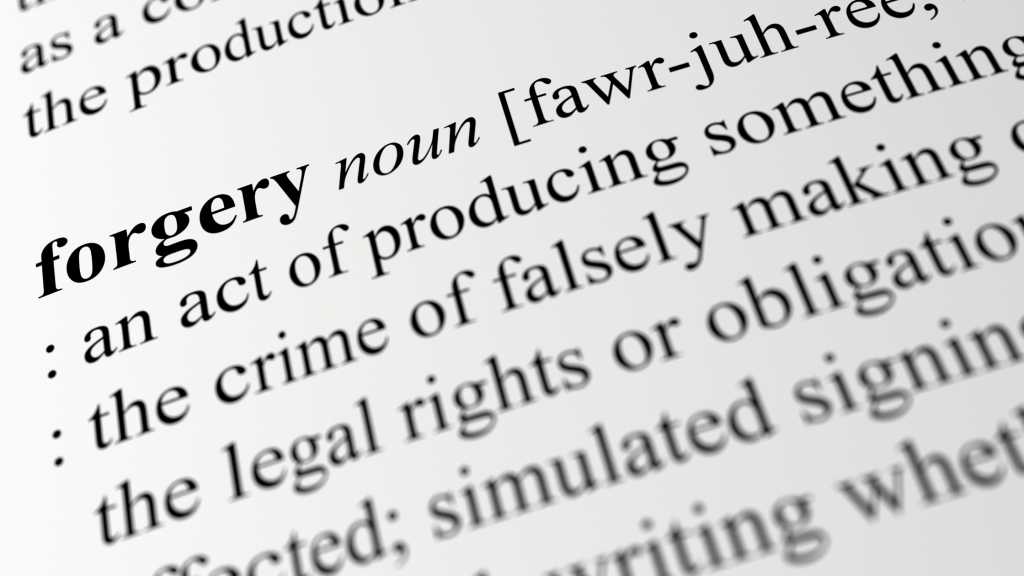
Forgery is the act of creating, altering, or using fake documents with the intent to deceive. According to Britannica, forgery is defined as “making of a false writing with an intent to defraud.”
The key here is intent. You can’t accidentally commit forgery.
Simply put, forgery occurs when someone creates a fake document or alters a genuine one. They do this to trick others for personal gain. The document must also have legal significance.
Think driver’s licenses. Bank statements. Contracts. These all count.
But writing a fake love letter to your crush? That’s not forgery. It has no legal significance.
Types of Forgery
There are several ways criminals commit forgery. Let’s break them down:
Complete Fabrication
Creating entirely fake documents from scratch. This includes counterfeit signatures, logos, and official seals. Criminals often use stolen personal data to make these documents look real.
Counterfeiting
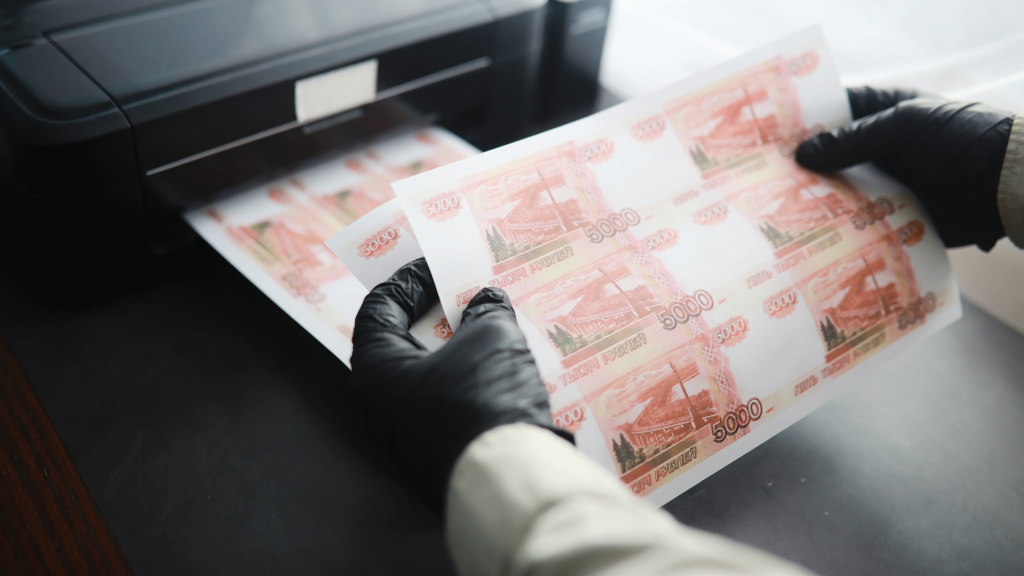
Making copies of official documents like passports or currency. When it comes to money, this is specifically referred to as counterfeiting.
Digital Manipulation
Using technology to alter existing documents. This method is growing fast. According to Veriff’s 2024 fraud report, document fraud increased by 20% from 2022 to 2023.
Alteration
Changing parts of real documents. This may involve switching photos on IDs or adjusting amounts on checks.
Patchwork Forgery
Combining elements from multiple real documents to create something new. For example, taking an authentic signature and putting it on a fake contract.
Common Examples of Forgery
Forgery shows up everywhere. Here are the most common types:
Fake IDs
These are probably what most people think of first. College students trying to buy alcohol. But fake IDs are used for much more serious crimes, too.
Check Fraud
Although we use fewer paper checks now, check forgery still occurs. Forging checks over $250 can result in up to 5 years in prison and a $10,000 fine.
Document Fraud
This includes fake birth certificates, social security cards, and immigration papers. The IRS warns that identity theft often involves the use of forged tax documents.
Romance Scam Documents
Scammers create fake military IDs, medical records, and other documents to support their lies. At Social Catfish, we’ve seen victims lose thousands to these scams. One victim lost a quarter of a million dollars after believing fake documents from a romance scammer.
Financial Document Forgery
Criminals forge bank statements, loan applications, and investment documents. Wells Fargo scams often involve forged checks and unauthorized wire transfers.
Legal Penalties and Consequences
Forgery isn’t a slap on the wrist. It’s a serious crime with heavy penalties.
Federal Penalties
At the federal level, forgery can result in up to 10 years in prison. If you’re counterfeiting money, the penalty increases to 20 years. The U.S. Sentencing Commission provides detailed guidelines for judges.
State Penalties
States handle most forgery cases. Penalties vary widely:
- California: Up to 3 years for losses over $500,000
- Minnesota: Up to 5 years and a $10,000 fine for checks over $250
- Connecticut: Up to 10 years for first-degree forgery
Factors That Affect Sentencing
Courts consider several things when deciding punishment:
- Amount of money involved
- Type of documents forged
- Whether it’s a repeat offense
- If organized crime was involved
Criminal Defense Lawyer explains that most forgery offenses are felonies, not misdemeanors.
How Forgery Affects Real People
The numbers tell a scary story. According to Shufti’s 2024 overview, 560,000 identity theft cases were reported in just the first half of 2023.
These aren’t just statistics. They’re real people whose lives got turned upside down.
Take Rena’s story. She lost $50,000 in a catfish scam that involved forged military documents. The scammer used fake IDs and medical records to support their elaborate lie.
Romance scammers often send photoshopped driver’s licenses to gain trust. Learning to spot these fakes can save you thousands.
Technology Makes Forgery Easier
Modern technology is a double-edged sword. While it helps us catch forgers, it also makes forgery easier.
AI-Generated Fakes
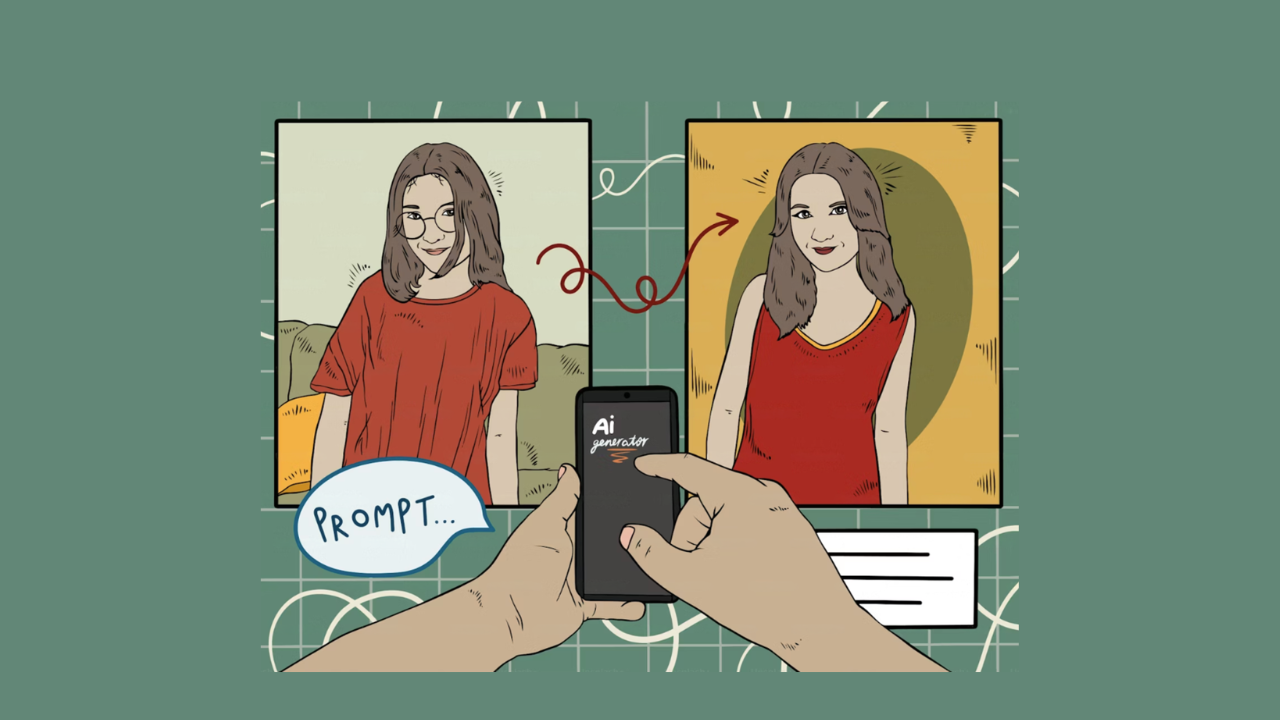
Artificial intelligence now creates incredibly realistic fake documents. These can fool even trained eyes. The quality is getting scary good.
Low-Code Tools
You no longer need technical skills. Simple drag-and-drop tools help criminals create fake documents quickly.
Digital Documents
Online verification makes some forgeries easier to slip by. Physical documents have security features that digital ones might lack.
Red Flags to Watch For
Spotting forgery isn’t always easy, but there are warning signs:
Document Quality Issues
- Blurry text or images
- Wrong fonts or formatting
- Poor quality paper or printing
- Missing security features
Suspicious Timing
- Documents appear right when convenient
- Rushed requests for document verification
- Reluctance to provide original documents
Behavioral Red Flags
- Pressure to act quickly
- Unwillingness to video chat
- Stories that don’t add up
- Multiple dating profiles with the same person
How to Protect Yourself
Prevention is your best defense against forgery:
Verify Documents
Don’t take documents at face value. Use reverse image search to check if photos were stolen from elsewhere.
Use Professional Services
When in doubt, hire experts. Social Catfish’s search specialists can help verify suspicious documents and identities.
Check Multiple Sources
Cross-reference information from different sources. Real documents should match up across platforms.
Trust Your Instincts
If something feels off, it probably is. Don’t ignore red flags just because you want to believe someone.
The Bottom Line on Document Fraud
Forgery is more than just fake signatures. It’s a complex crime that ruins lives and costs billions of dollars annually.
The good news? You’re not powerless against it.
By understanding what forgery looks like and knowing the warning signs, you can protect yourself. Whether you’re dealing with potential romance scammers or suspicious business documents, knowledge is your most effective defense.
Remember: when someone pressures you to accept documents without proper verification, that’s a red flag. Take time to verify. Ask questions. And when in doubt, get help from professionals who specialize in detecting fraud.
Your financial security and peace of mind are worth the extra effort.