 Multiple Faces Detected


 March 2nd, 2026
Kraken is one of the most trusted and secure cryptocurrency exchanges in the world. With its advanced features, strong regulatory standing, and clean reputation, it’s become a go-to choice for both beginner and experienced crypto investors. But as its popularity grows, so does the attention it receives from scammers.
In recent years, scammers have become increasingly sophisticated, impersonating Kraken itself to trick users into giving up passwords, personal data, and even their crypto holdings. These scams range from phishing emails and fake customer service agents to duplicate websites and rogue investment offers. For everyday users, the challenge is clear: how do you tell the difference between a legitimate crypto platform and a scam that’s merely wearing its face?
In this article, we’ll dive deep into how scammers are impersonating Kraken, how to spot the red flags, and what steps you can take to stay safe online. We’ll also show you how tools like Social Catfish can help you verify identities and avoid falling victim to fraud.
Why Kraken Is a Prime Target for Scammers
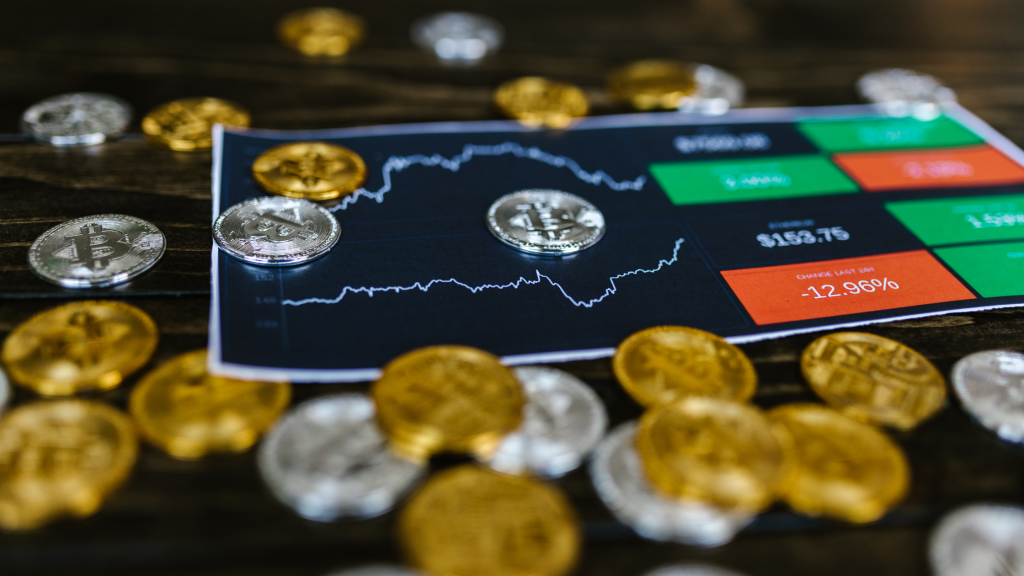
With over 10 million users and a daily trading volume that reaches into the billions, Kraken is a massive presence in the crypto space. Its strong reputation and global reach make it an ideal brand for scammers to copy, because users already trust it.
Scammers use this trust against you.
They’ll go to great lengths to mimic Kraken’s branding, tone, and customer service approach to appear credible. From fake support accounts on social media to phishing sites with nearly identical URLs, these impersonators are counting on you being too busy or too overwhelmed to double-check.
How Scammers Impersonate Kraken: The Top Tactics
Understanding how these scams work is the first step in avoiding them. Here are the most common tactics being used to impersonate Kraken today:
1. Fake Support Agents on Social Media
This is one of the most widespread impersonation scams. Scammers monitor platforms like Twitter, Reddit, and Discord for any user mentioning issues with Kraken. Within minutes, they respond, posing as “Kraken Support” and offering help.
They’ll often ask you to:
- Send a private message
- Click a link to “verify your account”
- Share your login credentials or 2FA codes
While their messages might sound helpful, their goal is simple: to gain access to your account or personal data.
Red Flags:
- Unverified social media accounts with usernames like @Kraken_Help247
- Requests for personal info via DM
- Direct links to unknown websites
Tip: Kraken never provides account support via social DMs. Always go directly to https://support.kraken.com.
2. Phishing Emails and Spoofed Login Pages
Some of the most convincing scams arrive in your inbox. These phishing emails may look like official messages from Kraken, complete with logos and urgent subject lines like:
- “Unusual Login Attempt Detected”
- “Your Account Has Been Flagged”
- “Immediate Verification Required”
The email will contain a link that leads to a spoofed version of Kraken’s login page, where anything you enter your username, password, and 2FA, is captured by scammers.
Red Flags:
- Misspelled domains (e.g., kraken-verification.net)
- Generic greetings (“Dear User” instead of your real name)
- Requests to re-enter sensitive data you’ve already verified
Tip: Never click links in unsolicited emails. Type the site URL manually or use a secure bookmark.
3. Fake Investment Offers Posing as Kraken Services
This scam preys on the desire for passive income. Victims are approached (often on Telegram, Instagram, or email) by someone claiming to work with Kraken or offering “exclusive investment programs.” They promise:
- Guaranteed weekly returns
- High-yield crypto staking
- Automated trading “done for you”
They ask you to deposit funds into a wallet they control or pay a fee to join. Once the money is sent, the scammer disappears.
Red Flags:
- Promises of risk-free profits
- Pressure to act quickly
- Claims to manage your money “on behalf of Kraken”
Fact: Kraken does not offer personalized investment services or account managers through social channels.
4. Fake Kraken Apps and Wallets
Some scammers create fake apps or clone Kraken’s name to trick users into downloading malicious software. These apps may appear in unofficial app stores or be sent via direct links.
Once installed, they may:
- Log keystrokes
- Steal login credentials
- Act as phishing portals for crypto withdrawals
Red Flags:
- Apps found on unofficial app stores
- Poor spelling or odd UI/branding
- Requests for wallet seed phrases or private keys
Tip: Only download Kraken apps from the official Apple App Store or Google Play, or link directly from kraken.com.
How Scammers Manipulate Trust with Branding
What makes these scams especially dangerous is how well they mimic Kraken’s visual identity. Scammers use:
- Exact logo files and brand colors
- Cloned UI designs for fake websites
- Lookalike email templates and copywriting styles
By replicating the look and feel of a professional brand, scammers create a false sense of safety. Victims feel confident because the experience “looks” legitimate, until it’s too late.
Tip: Always slow down and double-check URLs, sender names, and email domains before clicking or responding.
What to Do If You’ve Been Targeted by a Fake Kraken Scam
If you think you’ve been approached by a fake Kraken agent or site, act fast:
- Run a Social Catfish search to verify the person or platform and look for similar scam reports.
2. Stop all communication with the person or platform.
3. Do not click any additional links or submit further information.
4. Change your Kraken password and enable (or re-enable) 2FA.
5. Revoke API access if any was set up.
6. Report the incident to Kraken at https://support.kraken.com.
Red Flags to Watch For: Quick Reference
Even the most convincing scams leave behind subtle warning signs. If you know what to look for, you can catch a scam before it costs you time, money, or access to your crypto. Here are the most common red flags that often show up in Kraken impersonation scams:
- Being contacted by “Kraken support” through private messages on Twitter, Discord, or Telegram
- Requests to send cryptocurrency to a wallet address outside of your Kraken account
- Links that contain unusual spellings, extra characters, or domains that aren’t kraken.com
- Promises of guaranteed returns, high-yield investment programs, or crypto doubling schemes
- Unsolicited messages warning of “account issues” or asking for immediate verification
- Fake apps or software downloads that request private keys, seed phrases, or account credentials
- Pressure to act quickly or keep the offer confidential
Tip: If something feels off even slightly, pause, verify, and never hand over information or assets without confirming the legitimacy first.
How Social Catfish Can Help You Stay Safe
Social Catfish provides a layer of protection that goes beyond gut instinct. With our tools, you can:
- Run a reverse image search to find out if the person claiming to work for Kraken is using stolen or stock photos.
- Look up emails, usernames, or phone numbers to see if they’re linked to known scams or fake accounts.
- Check for duplicate identities used across platforms like Discord, Instagram, or Telegram.
- Work with our investigative team if you’ve already been scammed or need help tracing activity.
When money and identity are on the line, verification isn’t optional; it’s essential.
FAQs: Kraken and Crypto Impersonation Scams
Q: How do I know if an email from Kraken is real?
A: Check the sender’s email domain and never click links unless you’re sure. When in doubt, visit the site directly via your browser.
Q: What should I do if I give out my Kraken login info?
A: Change your password immediately, enable 2FA, and contact Kraken support. Use Social Catfish to investigate further.
Q: Can scammers recover funds if I sent crypto to a fake wallet?
A: In most cases, crypto transactions are irreversible. However, Social Catfish may be able to help you identify the scammer and assist in reporting them properly.
Q: What if someone sends me a link claiming to be a Kraken upgrade or security update?
A: Be extremely cautious. Kraken will never ask you to update your account or security settings through random links in DMs, texts, or unofficial emails. Always go directly to kraken.com and check for announcements there. When in doubt, verify the link or sender using a tool like Social Catfish.
Q: Can scammers fake a verified account or customer service badge?
A: Yes. On social media, scammers often mimic Kraken’s branding and even use fake “verified” icons or similar usernames. These tricks are designed to earn your trust quickly. Always cross-check handles and support channels with Kraken’s official website, and never engage through private messages unless you’ve initiated the support request through a verified source.
Final Thoughts
Kraken has earned its place as one of the most secure and reputable crypto exchanges, but even the safest platforms can’t stop scammers from copying their name, logo, and language to deceive users. As fraud tactics become more sophisticated, the responsibility to recognize red flags and verify legitimacy now lies with you, the user.
Don’t let a familiar logo or urgent message trick you into lowering your guard. Whether it’s a fake support agent, a spoofed email, or a clone website, scammers count on your trust to do their work for them. That’s why it’s more important than ever to double-check every link, question every unsolicited message, and treat every request for personal information with caution.
And when you’re unsure, turn to trusted resources like Social Catfish. From reverse image searches to email and username lookups, Social Catfish gives you the tools to confirm identities before you engage, so you can trade, communicate, and invest with confidence.
In the world of crypto, don’t just trade smartly, verify everything. Your safety depends on it.