 Multiple Faces Detected


 February 25th, 2025
Phishing scams are at an all-time high, with over 932,000 new phishing websites detected in just one quarter of 2024. This means that every time you click a link, whether on social media, your bank’s website, or an online store, you’re potentially just one click away from exposing sensitive information.
Identifying phishing attempts and fake links is the first line of defense. Therefore, how we protect you online starts with understanding the signs. Let’s break down how to recognize fake links and protect yourself before it’s too late.
Understanding Phishing

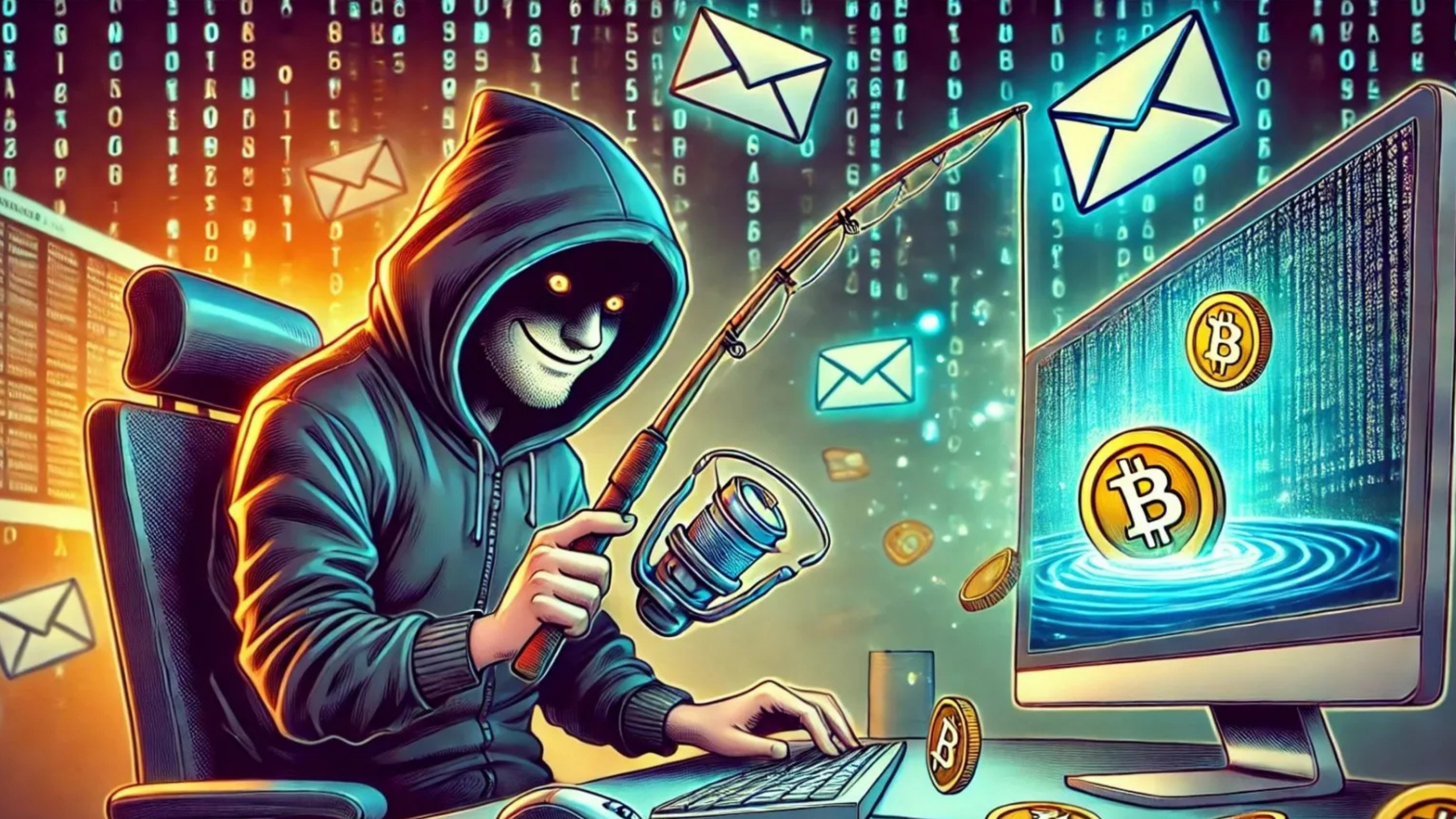
Phishing is an online scam where fraudsters trick you into giving away personal information by pretending to be someone you trust. They send fake emails, create lookalike websites, or send deceptive messages to steal passwords, credit card numbers, or sensitive data.
Who Is at Risk?
Phishing scams target anyone who uses the internet, but these are some groups are at higher risk:
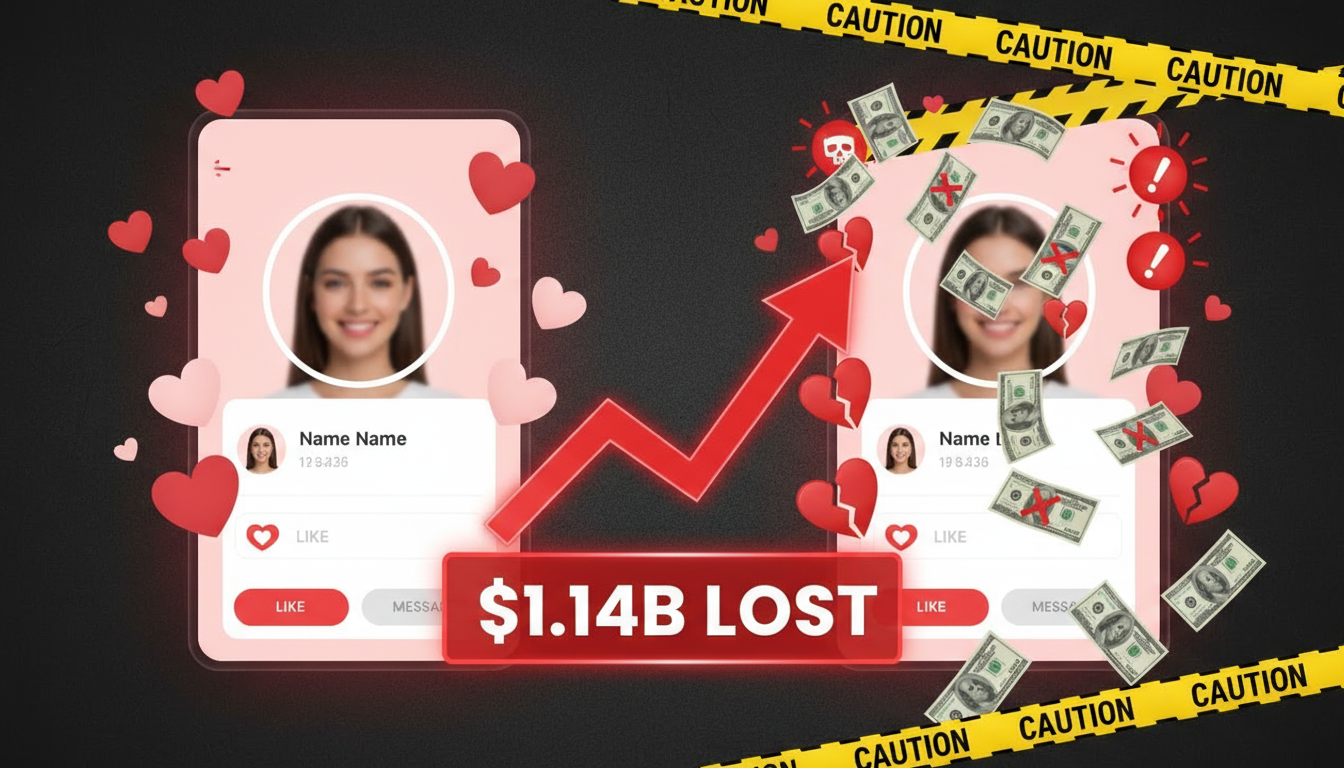
- Online Daters: Identity thieves create fake profiles, gain trust, and then ask for money or confidential details in the name of an emergency.
- Job Seekers: Fake recruiters offer high-paying jobs but demand Social Security numbers or bank info to “process your application.” Some even ask for upfront fees for background checks.
- Social Media Users: Scammers send phishing links through messages or comments on social media, leading to fake login pages that steal your account credentials.
How Scammers Operate?
Phishing doesn’t require advanced hacking skills to steal your information. Scammers rely on deception and urgency to trick you into handing over your sensitive data. Here’s how:
- Fake Login Pages: Scammers copy real websites like Netflix or PayPal and send you an email about a suspended Netflix or PayPal account with a link to “fix the issue.” While these sites look real, scammers steal your credentials once you enter your login details.
- Suspicious Payment Requests: Scammers refuse secure payment methods and insist on non-traditional methods like gift cards, wire transfers, or cryptocurrency. These payment methods are untraceable and nearly impossible to get refunded.
- Emotional Manipulation: Phishing emails create urgency, like claiming your bank account is locked.
Want to stay safe from catfishing? Read our definitive guide here.
How to Spot Fake Links and Phishing Attempts
In the last half of 2024 alone, 1.8 million new phishing websites were uncovered in the last six months of 2024. Here’s how to spot these deceptive links and protect yourself from falling victim to these deceptive links.
Check the URL Carefully
Fraudulent websites often mimic trusted names by tweaking their URLs with small errors that may go unnoticed at first glance. Before clicking, take a closer look at the address to catch any subtle discrepancies:
- Look for Typos or Altered Letters: Fraudulent sites often replace letters with numbers or symbols. For example, Amazon’s legitimate URL is “https://amazon.com,” but scammers may create a site like “Amazon-activity.com” or “Amazon.com.billing-inquiry.com.”
- Watch for Extra Words/Symbols: Legitimate URLs like “https://pay.amazon.com” follow a set pattern, while scammers add extra words or symbols, like “pay.amazon.com.billing-inquiry.com.”
- Be Cautious with Shortened Links: Scammers use familiar names to trick you. For example, “paypal.com.secure-site.com” may look like PayPal, but when you examine the URL closely, you’ll see that the real domain is “secure-site.com.”
Check for Security Indicators
Legitimate websites follow strict security protocols to protect your personal information. If a site lacks these protections, it’s a red flag:
- Look for HTTPS: Secure websites start with “https://.” If it’s just “http://,” it’s not encrypted and could be risky.
- Check for the Padlock: A padlock icon next to the URL means the site is secure. If it’s missing or greyed out, it’s likely a scam.
- Verify Trust Seals: Trust seals from security organizations (like McAfee Secure or BBB Accredited Business) are common on real sites. Always click to confirm they link to a valid verification page.
What to Do If You’ve Fallen for a Phishing Scam
If you realize you’ve fallen for a phishing scam, acting quickly can help minimize the damage. Here’s what you should do immediately:
- Update Passwords: Immediately update your passwords for any accounts you suspect may be compromised. Use strong, unique ones to reduce the risk of further breaches.
- Contact Your Bank: If you’ve shared any financial details, like your credit card number or bank account info, alert your bank for fraud monitoring and possible fund recovery.
- Run a Malware Scan: If you’ve clicked on a malicious link or downloaded anything from a scam website, scan your device for malware.
- Don’t Engage with Blackmailers: If the scam involves online blackmail, avoid interaction with the scammer and seek professional support to handle the situation safely.
- Report the Scam: Notify relevant authorities like FTC, FBI, or credit bureaus to help prevent the scammer from targeting more people.
How Social Catfish Protects You from Phishing & Fake Links

With phishing scams and fake links being everywhere, Social Catfish provides a variety of tools and services to help you verify online identities and protect you from fraud. Here’s exactly how each tool works, with a real-world example.
Reverse Search Tools to Verify Emails, Phone Numbers & Images
If you get a suspicious email from a questionable profile or unfamiliar number, use a reverse search tool to check if it’s linked to other scams.
Here’s how it works:
- Simply input an email, phone number, or image into our reverse search tool for facial recognition.
- If there’s any history available, you’ll receive a detailed report to help identify any potential risks.
Search Specialists
Scammers use emotional manipulation to prey on your fears and gain trust. They create fake identities, curate convincing stories, and pressurize victims into sending money before they have time to think.
Is someone you met online asking for money or avoiding video calls? Use our search specialist service to verify their identity before getting involved.
Yvonne, a paralegal from Dallas, met Robert a dating app who claimed to be a construction worker overseas. But when he suddenly needed money for an “emergency,” Yvonne used Social Catfish’s services to investigate. She gathered enough evidence to confirm her suspicions that Robert wasn’t who he said he was.