
 Multiple Faces Detected


 February 24th, 2025
Click fraud is a deceptive practice posing a far greater threat to online advertising than many businesses realize.
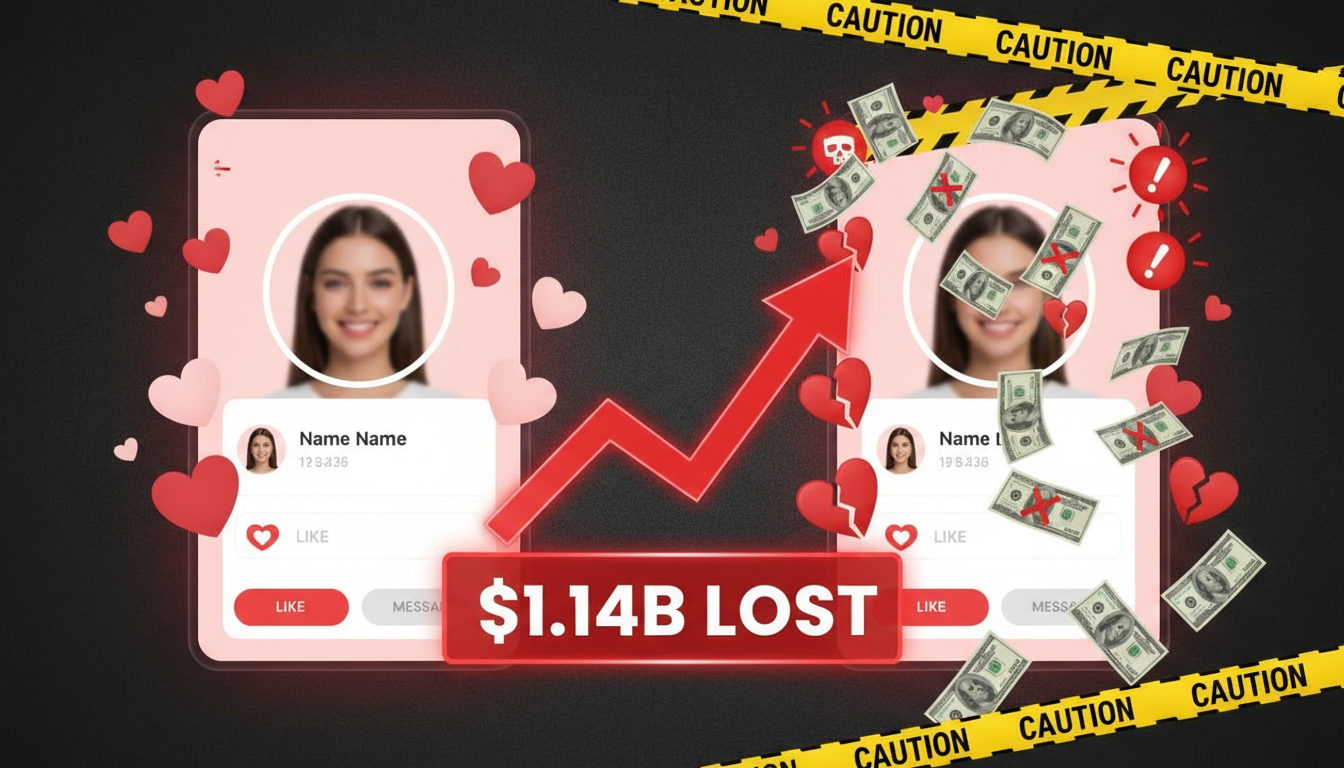
By 2028, experts predict the cost of click fraud for advertisers will surpass $100 billion, underscoring the urgent need for effective click fraud protection.
This growing problem silently drains ad budgets. Scammers use fake clicks, bots, and fraudulent profiles to manipulate online ads, forcing businesses to pay for traffic that isn’t real.
One of the biggest enablers of click fraud? Fake identities. Scammers impersonate real businesses, steal images, and create deceptive profiles to blend in. This is where tools like Reverse Image Search play a crucial role, exposing fake profiles and stopping ad fraud before it happens.
So, what exactly is click fraud? How does it affect your marketing and business? And most importantly, how can you avoid it?
4 Different Types of Click Fraud

Malicious individuals employ deceptive tactics to increase clicks on a website or advertisement artificially. Knowing the types of click fraud can help you protect your business from fraud.
Here are the most common types of click fraud:
Click Farms
In manual click farms, people are paid to click on ads or links repeatedly. Automated click farms use computers and scripts to bypass security checks like CAPTCHA and create fake clicks.
Click Fraud Botnets
Hackers use malware to take over devices and turn them into a network of fake clickers, called a botnet. These devices generate fake clicks without the owner knowing.
Geotargeting Click Fraud
Scammers use VPNs or proxy servers to make fake clicks look like they’re coming from specific locations. This tricks advertisers into thinking their ads are getting real interest from targeted areas. It can also create false demand for products that aren’t even available in certain regions, messing up ad data.
Fake Business Profiles & Stolen Identities
Fraudsters create fake business accounts using stolen logos and images to fool ad networks into approving their ads. These ads often lead to scam websites or phishing pages, putting both businesses and users at risk.
Why is Click Fraud a Big Problem for Advertisers?
Click fraud is a big problem for online advertisers because it wastes ad budgets on fake clicks that don’t come from real customers. This can lead to major losses and force businesses to spend more without getting real results.
Financial Loss
Click fraud drains ad budgets by generating useless clicks, leaving less money to reach actual customers.
Unfair Competition
Some competitors use click fraud to increase a company’s ad costs, making it harder for them to stay visible and compete fairly.
Revenue Inflation
Some website owners use click fraud to generate fake clicks on their ads, artificially increasing their ad earnings and creating unfair competition.
Increasing Costs
Since click fraud is so common, it raises the overall cost of online advertising, affecting pricing models and sometimes leading to higher costs for consumers.
Impact Across Industries
Click fraud isn’t limited to one industry, it can affect any online ad campaign, including those on major platforms like Google Ads.
As online advertising grows, scammers keep finding new ways to cheat the system. Advertisers need to use smart tools like machine learning, fraud prevention software, and real-time tracking to spot and block fake clicks.
Removing fake traffic helps keep ads effective, guarantees advertisers get the most for their money, and makes sure real user interactions are counted correctly.
How to Spot Click Fraud?
The first step in preventing click fraud is recognizing the warning signs. If you notice these patterns in your analytics, fraudulent activity may be taking place:
- Unusual click patterns
- A surge in traffic with very few conversions
- High bounce rates
- Clicks from unexpected or unusual geographic locations
- Irregular timing in user interactions
- Increased clicks on irrelevant or low-value keywords
How to Prevent Click Fraud?
Preventing click fraud takes ongoing effort and careful monitoring. Here are some effective ways to fight it:
- Manually Review Traffic Quality: Regularly check where your clicks are coming from to spot suspicious activity.
- Automatically Block Suspicious Clicks: Use tools to filter out clicks from questionable sources and block certain IP addresses.
- Monitor Ad Placements: Keep track of where your ads are shown to avoid low-quality or fraudulent sites.
- Implement CAPTCHA Verification: Adding CAPTCHA can help stop bots from generating fake clicks.
- Monitor User Behavior: Checking for repeated clicks from the same ISP can help identify click fraud.
- Be Aware of Competitor Activity: Click-tracking software can generate reports on unique and total clicks, helping catch competitors engaging in fraud.
- Use Fraud-Prevention Software: These tools detect and block suspicious activity automatically.
- Generate Referral Reports: These reports can highlight websites sending an unusual amount of traffic, helping identify fraud.
- Set Different Ad Prices: Adjusting ad prices on different websites can help reduce financial risks.
If you suspect fraud, reporting scam phone numbers can help prevent further damage.
How Fraudsters Use Fake Identities to Exploit Online Advertising

Click fraud is all about tricking people, and one of the most common scams is using fake identities. Fraudsters pretend to be real businesses, advertisers, influencers, or even customers to manipulate ads and waste ad budgets.
Fake Advertisers and Business Partners
Scammers often pretend to be media buyers or advertising agencies, offering businesses great deals to run paid ads on their networks. Similar scams occur with robocalls, where fraudsters impersonate trusted organizations.
To seem real, these fraudsters steal professional headshots or social media images to create fake profiles. Once a business agrees to work with them, the scammers either run fake ads or send traffic to scam websites.
Brand Ambassadors
Scammers steal photos of real influencers to create fake social media profiles, making themselves look legitimate.
They reach out to businesses, promising to promote products or increase engagement. However, their followers are either bots or completely fake, offering no real value.
Fake Leads and Customer Accounts
Some scammers create multiple fake customer profiles using stock photos or stolen images to make them look real.
They interact with ads by clicking and generating fake conversions, which skews ad performance data. This tricks businesses into spending more on ads without attracting real customers.
Fake Online Stores and Phishing Websites
Scammers create fake businesses by using stolen brand logos, product images, and photos of real business owners to make their websites look legitimate.
They run paid ads to drive traffic to phishing sites, where they trick users into sharing personal information or making fake purchases, ultimately leading to stolen data or financial losses.
Scammers also impersonate government agencies, so being aware of Social security scams is important.
The Future of Click Fraud Prevention
Click fraud is getting smarter, but so are the tools used to stop it. As businesses lose billions of dollars to fake clicks, the fight against fraud is becoming more advanced.
The future of click fraud prevention will rely on better AI detection, stronger regulations, and wider use of tools like Reverse Image Search to catch scammers before they cause harm.
AI and Machine Learning for Better Fraud Detection
Artificial Intelligence (AI) is making it easier to spot and block fraudulent clicks. Instead of just identifying fake clicks after they happen, AI can now predict and stop fraud in real time.
Learning how to call back a private number can also prevent falling victim to scam calls.
Stricter Regulations and Better Ad Platform Security
Governments and ad platforms are taking more decisive action against click fraud to protect businesses. Here are a few notable steps:
- Platforms like Google and Facebook are working on better fraud detection systems to filter out fake clicks before they cost businesses money.
- Governments are setting new rules to hold scammers accountable, making it harder for them to operate.
- More attention is being given to verifying businesses and influencers to prevent fake profiles from running ads.
As regulations tighten, scammers will have fewer opportunities to commit fraud.
Final Word
Reverse Image Search is one of the simplest ways to catch fraudsters.
Before working with someone, businesses can check if their profile image has been used elsewhere. If the same photo appears under multiple names, it’s likely a scam. In the coming years, Reverse Image Search could be built directly into ad networks, automatically flagging suspicious accounts.
With Social Catfish, you can quickly check if an image has been used elsewhere and spot potential scams. As businesses become more aware of these scams, our Reverse Image Search will become a standard click fraud protection tool.