
 Multiple Faces Detected



 February 26th, 2025
Digital ad fraud is expected to cost $172 billion by 2028. As companies pour money into online marketing, scammers find new ways to exploit consumers.
They use false advertising to trick you into buying fake products, signing up for shady services, and trusting businesses that don’t exist. Such deceptive tactics can cost you money, compromise your personal data, and make it harder to know what’s real online.
Let’s break down the dangers of false advertising, real-world cases, and how you can protect yourself from deceptive marketing tactics.
What is False Advertising?
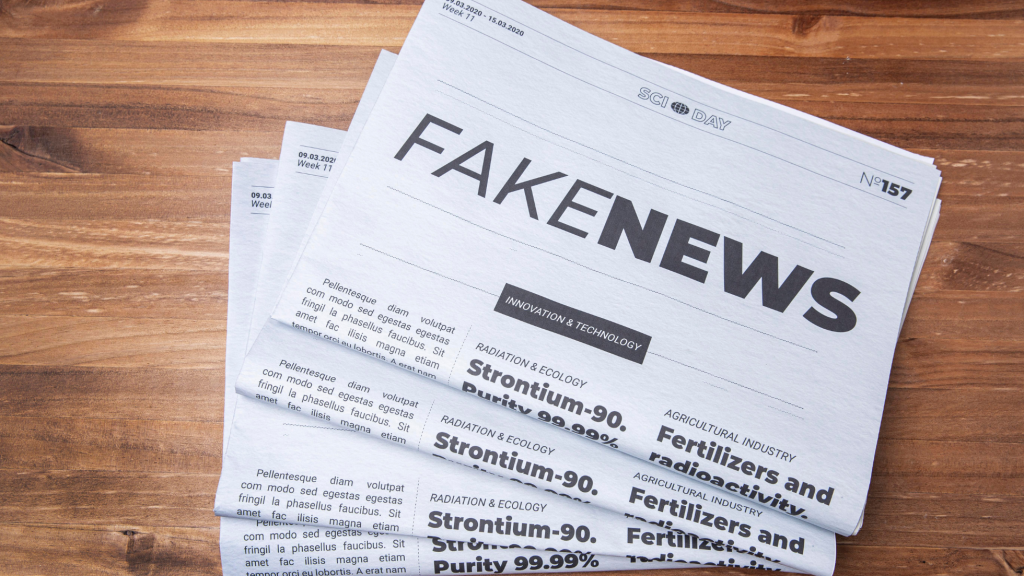
False advertising happens when a business promotes a product or service in a way that misleads consumers. This could mean making false claims, hiding important details, or lying outright to make something seem better or safer than it is.
Misleading advertising is similar, but it doesn’t always involve outright lies. Instead, it may use vague wording, confusing claims, or half-truths that give consumers the wrong impression.
Common False Advertising Tactics
Businesses use different tactics to mislead consumers, some of which are more common than others. Here are some of the most deceptive strategies used in advertising.
Bait Advertising
This happens when companies advertise a deal that doesn’t exist to lure in customers. For example, DealDash markets itself as a legitimate way to win products at low prices, but many users report losing money without ever receiving what they bid on.
Fine Print Deception
A price or offer may seem fair, but important details are buried in fine print. For instance, many online shopping scams may advertise “free shipping,” but the fine print might say it only applies to orders over a certain amount.
Fake Endorsements and Testimonials
Some businesses pay influencers or actors to pose as satisfied customers. These reviews are scripted, and the people reviewing have never used the product.
Exaggerated Claims
Some products promise impossible results, like “Lose 30 pounds in one month without dieting!” These claims lack scientific backing and prey on vulnerable audiences. In 2023, the FTC fined Weight Loss Inc. $5 million for unsubstantiated ads.
False Advertising in Online Scams
Fraudulent ads rely on deception to gain victims’ trust. These schemes often appear on social media, search engines, and email inboxes to lure you into sharing personal information or making payments for non-existent services.
Scam Ads & AI-Generated Deception
According to the FBI, AI-generated fraudulent ads and fabricated endorsements can create the illusion of credibility and trick people into scams. Some of the most common tactics include:
- Fake job listings that promise high salaries for little to no experience. Many victims apply, provide personal information, and even pay “training fees,” only to find out the job doesn’t exist.
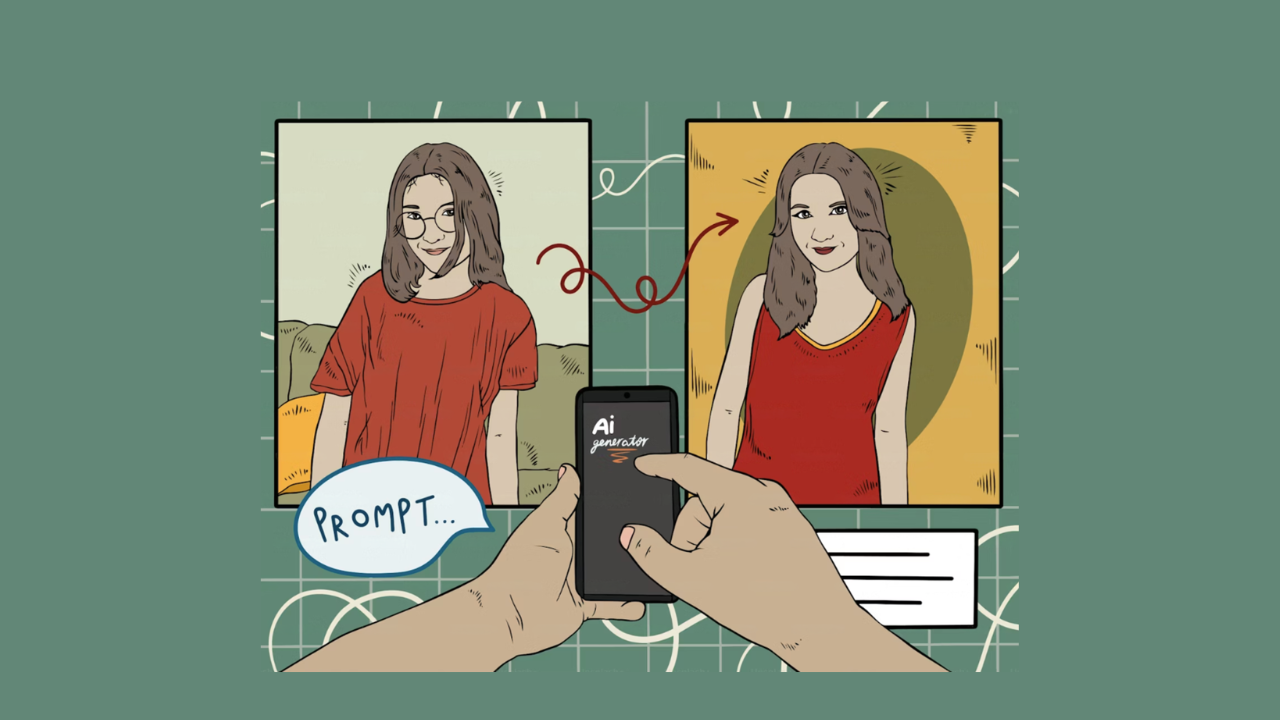
- Deepfake influencer endorsements, where AI-generated videos falsely depict celebrities or industry leaders promoting scam products. Viewers assume the endorsement is real and fall for the deception.
- Social media scam ads, particularly Snapchat scams, where fraudsters rapidly spread misleading promotions for fake giveaways, crypto schemes, or counterfeit goods.
Romance Scams & Fake Identities
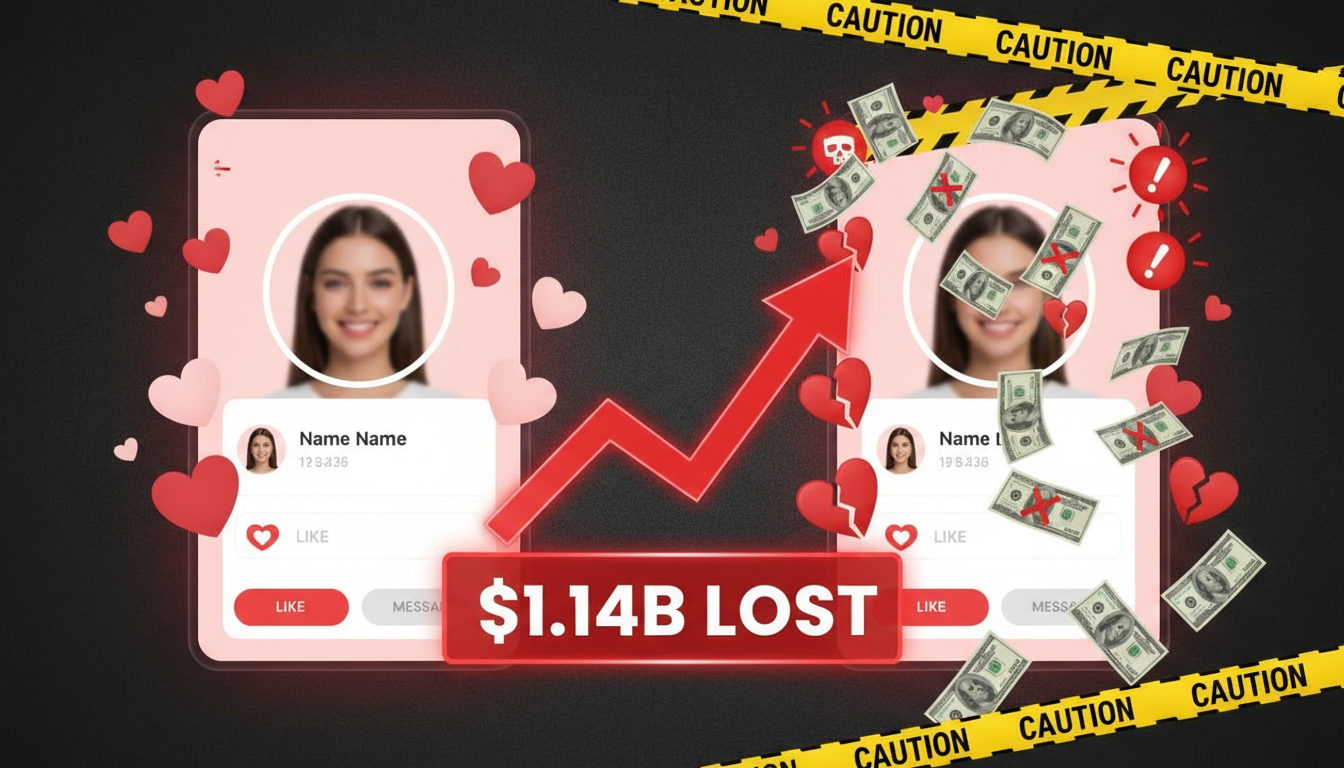
Fraudsters often create fake profiles by using stolen images and fabricated stories to build trust over time. They also pretend to be successful professionals, military personnel, or wealthy individuals.
Some of the common alarming signs include:
- Romantic interest moving too fast, especially on LGBTQ+ dating apps, where scammers quickly express love or commitment before asking for money.
- Excuses for avoiding video calls or in-person meetings, often claiming to be working abroad or stationed overseas.
- Sudden financial emergencies, such as medical bills, travel expenses, or frozen bank accounts, which they ask their victims to help with.
Think your date is too good to be true? Run a reverse search to find out:
Fake Business Listings & Property Fraud
Scammers also use false business listings, fake reviews, and fraudulent property deals to trick consumers. These scams often follow predictable patterns, including:
- Holiday-specific scams, like fake Labor Day vacation deals, attract travelers looking for discounted getaways.
- Fraudulent real estate listings use fake photos and misleading descriptions to collect deposits on properties that aren’t actually for rent or sale.
The Real-World Consequences of False Advertising
Apart from just tricking consumers into bad purchases, false advertising has serious consequences that can harm individuals financially, psychologically, and even legally.
Psychological Impact
When people fall for deceptive marketing, they become more skeptical of future purchases. This is especially true in industries like health and finance, where misleading claims can make consumers doubt legitimate businesses.
Financial Losses
Many false ads trick consumers into spending money on products or services that don’t work as promised. In some cases, people can have their personal information stolen. For example:
- Credit card fraud is a common result of misleading ads that push fake offers or fraudulent online stores. Victims may unknowingly enter their payment details on scam websites, only to find unauthorized charges later.
- Some fraudulent websites sell non-existent goods or services, leaving victims with empty promises instead of what they paid for. Many of these scams operate on deep web marketplaces, which makes it difficult to track scammers.
Legal Consequences of False Advertising
Governments and consumer protection agencies actively fight false ads. In 2024, the Federal Trade Commission fined Restoro Cyprus Limited and Reimage Cyprus Limited $26 million for deceiving customers. These companies tricked people, especially seniors, into paying for unnecessary computer repair services.
How to Detect & Avoid False Advertising

Tricksters constantly refine their tactics, making it harder to spot fraudulent ads. However, certain warning signs can help you identify misleading ads before they cause you harm.
Practical Steps for Consumers
Scammers often use psychological tactics to pressure people into making quick decisions. Here’s how to stay cautious:
- Use reverse image searches to check if product images, logos, testimonials, or even “experts” in ads appear elsewhere online under different names.
- Verify claims before making purchases by looking for official certifications, legitimate reviews, and business contact details.
- Monitor your accounts for unusual activity, as clicking on scam ads or engaging with fraudulent sellers may lead to identity theft or unauthorized transactions.
Using Scam Detection Tools
AI-powered models help detect deepfake endorsements and fraudulent listings by identifying repeated scam patterns across platforms. Here’s how you can strengthen your defenses against fake advertising:
- Secure your digital transactions by enabling multi-factor authentication and avoiding direct payments through unverified sellers. Learn how to protect your mobile payment apps.
- Use platforms like Social Catfish which specialize in verifying online identities, cross-referencing public data, and identifying scam trends.
- If you come across a fraudulent website, report it immediately to help prevent others from falling victim.
Think you’re being misled by a scammer? Our search specialist service conducts in-depth investigations to uncover the truth.
See what this users have to say about her experience:
“Recently I contacted Social Catfish and I spoke to a representative over the phone. The representative with whom I spoke with was Erin. This very nice lady was absolutely exceptional in resolving my concerns. Her kindness, patience, professionalism, and above all, her sincere initiative to care, were truly unforgettable. A complete first-class experience.” – Zoosman