 Multiple Faces Detected


 February 8th, 2021
Social media is by far the most popular form of communicating and is growing every day. You probably don’t know many people who are not on at least one social media platform. Statista predicts that there will be 2.77 billion social media users by 2019, up from 2.46 billion in 2017. Social media keeps us connected to people we meet, allows us to stay and touch and reconnect with old friends and family members far away.
With the infamous Cambridge Analytica scandal and a recent report that a Facebook bug temporarily unblocked people on 800,000 accounts, people are becoming more and more aware that their information could be spreading much further than they ever intended. It is becoming much more critical to lock down your social media and make sure you are aware and informed of the built-in privacy functions offered by each platform. Please read below to learn about the basic privacy setting and best practices for the most common social networks:
Social Media Privacy Tips
Facebook offers a plethora of privacy options to limit who can access your posts, tagged photos, and posts ad profile information. You have the opportunity to share your content with specific groups of your friends, restrict individual users from viewing your content, and customize the audience for each profile element as you like. You can also close all friends and photos from public viewing. All this and more information is available on the Facebook help page.
You can instantly and easily make your Twitter account less visible by setting your tweets to protected rather than the default, which is unprotected tweets When your tweets are set as protected, only your approved followers can find and see your tweets, see your tweets appears under hashtag fees a view your Twitter activity.
Keep in mind that authorizing a third party application to view your Twitter may give up that app access to your protected tweets, so perhaps it is a good idea to avoid those if you desire privacy in regards to your content.
Similar to Twitter, Instagram’s main privacy setting is it’s a private or public option. An individual Instagram account functions very much the same as Twitter’s protected tweets. However, please be aware that if you share your private Instagram posts FaceBook, Twitter, and anyone with the direct URL can publicly view the photo or post. Third-party app authorizations may also search engines to index your photos. Instagram proves the Instagram help page for more information and FAQs
Snapchat
Snapchat allows users to take photos and videos, add text and drawings and sed these creations called “Snaps” to a controlled list of contacts. Users set a time limit for how long their messages can be viewed. By default, only users you have added as friends can send you a snap. Privacy settings can be altered regarding who can send you Snaps and who can view your Stories.
Mainly a business and career networking platform, it is essential to be aware that LinkedIn broadcasts any changes to your profile, displays your activity feed and connections publicly, and tells others when you’ve viewed their profile. You can change all of these settings on your Settings and Privacy page.
LinkedIn explains how to do it and offers other account setting adjustments and options. In this ever-changing world in which we live, social media is becoming more and more prevalent.
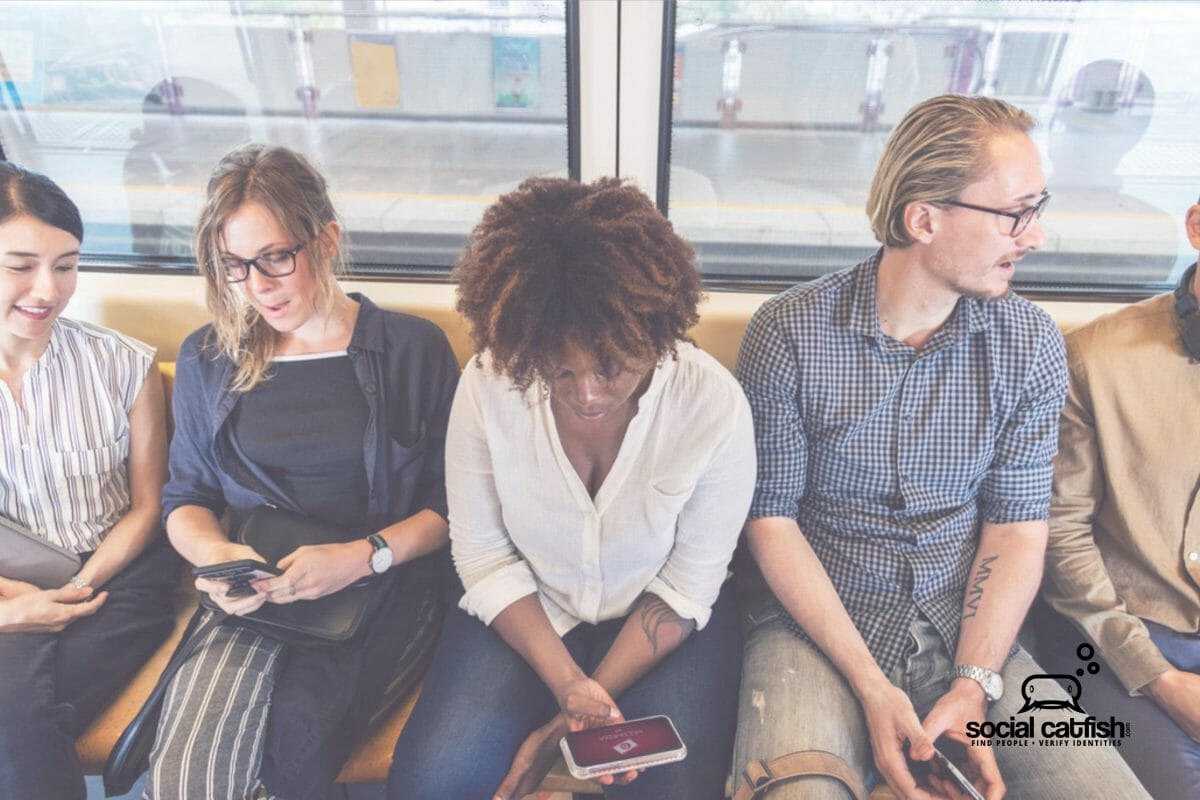
There are more victims of social media scams and fraudulent activity. How public or private you decide to be on your social media platforms is a personal decision for all of us. Be aware that more people than you think can view your content including potential employers.
Keep in mind that posting on social media reveals a lot about us even more than you may realize. Whatever choices you make, it is highly recommended to do frequent check-ins to ensure that your security settings are the way you want them to be.
Take the simple steps to protect yourself and please utilize Social Catfish to research any suspicious activity and help you avoid being a victim of a social media scam.