Multiple Faces Detected



 March 2nd, 2026
Crypto scams are growing at an alarming rate. In 2023, the FBI received over 69,000 complaints related to cryptocurrency fraud, with reported losses jumping 53%, reaching $3.96 billion. As crypto adoption increases, scammers continue to adapt, using more advanced tactics to deceive people.
This article explores crypto scam trends that could target you and how to protect yourself from falling victim.
Different Types of Crypto Scams
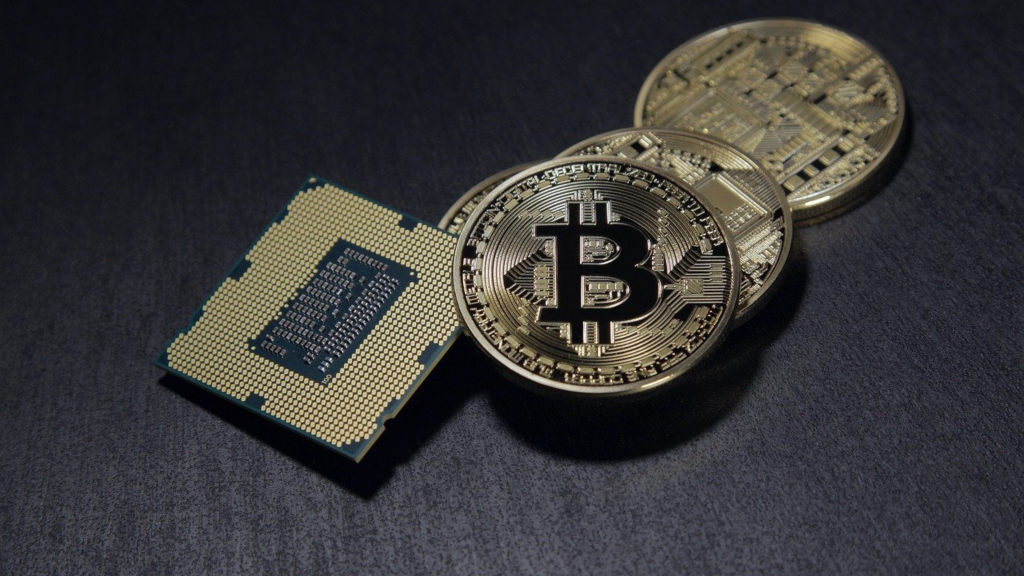
Crypto scams come in many forms, each designed to trick users into handing over their money. Below are some of the most common scams that continue to deceive investors.
Bitcoin Investment Schemes
Scammers pose as “investment managers,” claiming to have made millions from crypto. They promise guaranteed returns and persuade victims to invest in fake platforms. Investment scams made up 71% of all crypto-related losses in 2023, according to the FBI. Once victims deposit funds, withdrawals are either delayed indefinitely or blocked entirely, leaving them with nothing.
Pig Butchering Scams
Fraudsters build relationships with victims online before introducing them to a fake investment opportunity. These scams often start as a friendship or romance and escalate into financial manipulation. Reported losses from Pig Butchering scams totaled $1.14 billion in 2023, with a median loss of $2,000 per victim.
Fake Crypto Exchanges
Some scammers set up fake trading platforms that mimic real exchanges. They attract users with high returns, bonuses, and fake trading dashboards that show false profits. Once users attempt to withdraw funds, their accounts are suddenly frozen, wiped out, or locked.
Phishing Scams
Scammers send emails or messages with malicious links that direct users to fake websites designed to steal login details or private wallet keys. Phishing scams led to $300 million in stolen cryptocurrencies from 320,000 investors in 2023.
Rug Pull Scams
A rug pull occurs when developers create a fake crypto project, collect investor money, and then vanish, leaving the token worthless. In 2023, 78 rug pull scams were reported, stealing nearly $50 million. These scams exploit hype in decentralized finance (DeFi) and new cryptocurrencies, attracting investors with fake promises.
AI Scams
AI-powered scams use chatbots to manipulate investors into trusting and promoting fraudulent tokens. These bots pretend to be experts and push users toward high-yield investment opportunities. Chainalysis reports that AI scam infrastructure revenue grew by 1900% in 2024. Many of these scams end in pump-and-dump schemes, where token values are artificially inflated before scammers sell-off.
Crypto ATM Scams
Scammers impersonate tech support agents, government officials, or customer service reps, instructing victims to deposit cash into crypto ATMs to “resolve issues” or make payments. Crypto ATMs have processed at least $160 million in illicit transactions since 2019, according to TRM. Once funds are sent, transactions are irreversible, and victims have no way to recover their money.
How to Spot Crypto Scams
Scammers use deceptive tactics to bring investors into fraudulent crypto schemes. Here are key warning signs to watch for:
- Promises of Guaranteed Returns: No investment is risk-free. Cryptocurrency prices fluctuate, and no platform can guarantee profits. Any crypto offering that claims you will definitely make money is likely a scam.
- Excessive Marketing and Hype: All businesses promote themselves, but scammers rely on heavy marketing to raise money quickly. They flood social media, pay influencers, and push aggressive advertising to lure investors.
- Poor or Non-Existent Whitepaper: A legitimate cryptocurrency has a whitepaper explaining how it works. This document outlines its purpose, technology, and functionality. A missing, vague, or confusing whitepaper suggests a lack of credibility.
- Unnamed or Untraceable Team Members: A legitimate investment should have a transparent team with verifiable credentials. If the key figures behind a project are unknown or untraceable, it’s a red flag.
Not sure if a crypto offer is real? Use Social Catfish‘s Search Specialist to verify identities before you invest.
How to Avoid Falling Victim to Crypto Scams
Here are some precautions you can take that can help protect your funds:
- Use Trusted Crypto Exchanges: Not all crypto exchanges are legitimate and some operate without regulation. Research if the exchange is licensed and well-reviewed and avoid platforms with limited transparency or withdrawal restrictions.
- Store Crypto in Secure Wallets: Keeping all your funds on an exchange increases the risk of loss due to hacks or platform failures. Use a hardware wallet for better security and Spread assets across multiple wallets instead of storing everything in one place.
- Understand Regional Regulations: Crypto laws differ worldwide. It is important to know the crypto laws in your region and be cautious of platforms operating in unregulated areas.
- Verify Online Identities: Scammers often steal images and create fake profiles to appear credible. Always run a reverse lookup to see if the person’s photo is stolen and search for their email, phone number, or username to spot red flags.
What Not to Do If You Are a Victim of a Crypto Scam

Falling for a crypto scam can be frustrating, but acting impulsively can make things worse. Here’s what to avoid:
Don’t Trust Fraud Recovery Services That Ask for Upfront Fees
Scammers often pose as fraud recovery experts and promise to retrieve stolen funds. They showcase fake reviews and high success rates to gain trust. Avoid companies that guarantee fund recovery since only legal authorities can freeze assets.
What to do instead: Report the scam to law enforcement agencies like the FBI, state attorney general, or local police.
Don’t Click Suspicious Links in Emails
Scammers may send phishing emails pretending to be customer service agents or government officials. These emails often contain fake links leading to scam websites. Don’t click on these links as it could expose your personal data or lead to further fraud.
What to do instead: Independently search for official websites rather than clicking on links from emails.
If someone is pressuring you into a crypto investment, pause and verify. Before sending any BTC, use our search specialist service to check their identity.
See how others have used this service to avoid falling victim to scams.
“Erin was very friendly but professional and got right to the point. I didn’t have to wait at all and everything was taken care of within a minute or two. I appreciate it very much” – Steven