 Multiple Faces Detected


 March 2nd, 2026
You’ve probably seen the ads. Someone flashing stacks of cash, claiming they made thousands in a week using an AI trading bot. They say it’s automated, foolproof, and requires zero trading experience. Just deposit your crypto, let the bot do its thing, and watch your account grow.
Sounds amazing, right?
But here’s the problem. While legitimate AI trading bot technology exists, scammers have flooded the market with fake platforms designed to steal your money. They use slick websites, fake testimonials, and convincing dashboards to make you believe you’re getting rich. Then, when you try to withdraw your funds, the money is gone.
And you’re left holding nothing.
So how do you tell the difference between a real AI trading bot and a scam? Let’s break down how these scams work, why they’re so believable, and what red flags to watch for before you hand over a single dollar.
How AI Trading Bots Are Marketed

The pitch is always the same. High returns. Low risk. No experience needed.
Scammers know that crypto feels complicated to most people. So they position their AI trading bot as the solution. They claim their software uses “advanced algorithms” or “machine learning” to predict market movements and execute trades faster than any human could.
Some even throw around terms like “arbitrage trading” or “high-frequency trading” to sound more legitimate. They’ll show you charts, graphs, and testimonials from people who supposedly made life-changing money.
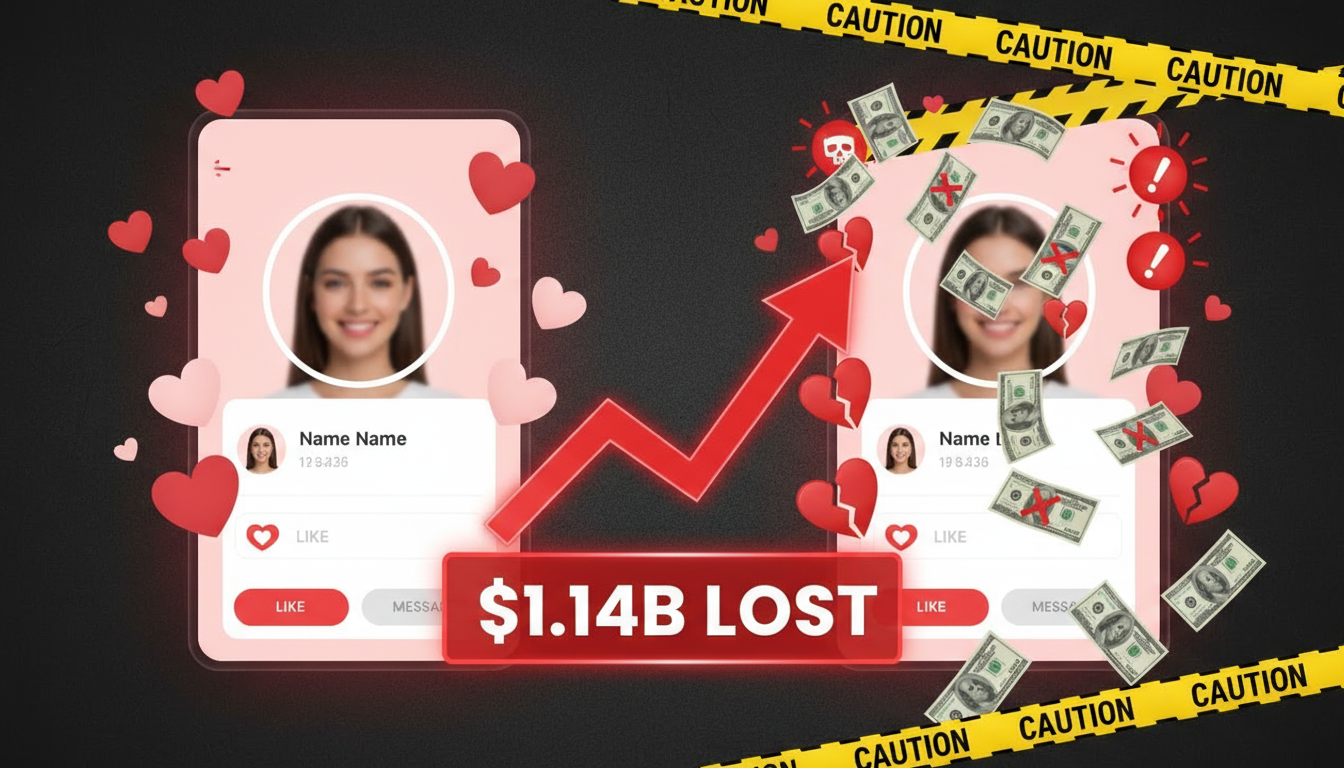
And it works. According to the CFTC, fraudsters are exploiting public interest in AI to promote trading schemes that promise unreasonably high or guaranteed returns. In one case, scammers stole over $1.7 billion in bitcoin from more than 23,000 people using a fake AI crypto trading bot.
The marketing is designed to make you feel like you’re missing out. Like everyone else is getting rich, and you’re the only one not in on it.
But that’s exactly how they hook you.
Why the Promises Sound Believable
Here’s the thing. AI trading bots do exist. Real ones are used by hedge funds and professional traders to analyze data and execute trades. So when scammers talk about “AI-powered algorithms,” they’re not making it up entirely. They’re just twisting the truth.
That’s what makes these scams so dangerous.
They mix real technology with fake promises. They’ll show you a dashboard with live price updates, trade histories, and profit charts. Everything looks professional. Everything feels real.
And because crypto markets are volatile, it’s easy to believe that big gains are possible. You’ve heard the stories. People who bought Bitcoin early and became millionaires. So why couldn’t an AI trading bot help you do the same?
Scammers also use social proof to build trust. They create fake reviews, fake social media profiles, and even fake “customer support” teams. Some will reach out to you directly on platforms like Facebook, Instagram, or Telegram, pretending to be successful traders who want to help you get started.
It’s all part of the con.
Where the Scam Actually Happens
So where does the scam actually take place? It’s not always obvious at first. That’s the point.
Fake Experts and Influencers
Many AI crypto trading bot scams start with a “financial expert” or influencer promoting the platform. They might post screenshots of their supposed earnings or host webinars explaining how the bot works.
But these people aren’t real traders. They’re either paid promoters or scammers themselves. Some use fake video chat technology or deepfakes to impersonate real people. Others create entirely fake personas with stolen photos.
If someone you don’t know is pushing you to invest in an AI trading bot, that’s a red flag.
Fake Dashboards and Phantom Profits
Once you deposit your crypto, the scam really kicks in. You’ll log into your account and see your balance growing. Trades are being executed. Profits are rolling in.
But none of it is real.
The dashboard is fake. The trades never happened. The scammers are just showing you numbers on a screen to keep you hooked. They want you to deposit more money, thinking you’re on a winning streak.
Some scams even let you make a small withdrawal at first to build trust. But once you try to pull out a larger amount, the problems start.
Blocked Withdrawals
This is where most victims realize they’ve been scammed. When you try to withdraw your funds, the platform suddenly has “technical issues.” Or they tell you that you need to pay a fee, verify your identity, or deposit more money to unlock your account.
No matter what you do, you can’t get your money back.
And that’s because it was never there in the first place. The scammers took your crypto the moment you deposited it.
Red Flags to Watch For
Not sure if an AI trading bot is legit? Here are some warning signs:
Guaranteed returns. No legitimate investment can guarantee profits. If someone promises you’ll make money, walk away.
Pressure to act fast. Scammers create a sense of urgency to stop you from thinking clearly. If they’re pushing you to deposit money immediately, it’s a scam.
Unverified platforms. Before investing, check if the platform is registered with financial regulators. You can search for licensed entities on the CFTC website.
Requests for more money. If you’re told you need to pay fees or deposit more funds to withdraw your earnings, you’re being scammed.
Contact through social media. Legitimate investment firms don’t recruit clients through dating apps, Snapchat, or random DMs.
No way to verify the company. If you can’t find real information about the company, its founders, or its track record, don’t invest.
How to Verify Before You Invest
Before you hand over any money, do your homework.
Start by researching the platform. Look for reviews from independent sources, not just testimonials on the company’s website. Check whether the platform is registered with the relevant financial authorities.
You can also use tools like reverse image search to verify if the “experts” promoting the bot are using stolen photos. If their profile pictures show up on multiple websites or belong to someone else, you’re dealing with a scammer.
And if someone contacts you out of the blue, be extra cautious. Scammers often use romance scam tactics to build trust before pitching their fake investment schemes.
What to Do If You’ve Been Scammed

If you’ve already fallen for an AI trading bot scam, act fast.
Stop all communication with the scammer. Don’t send any more money, even if they promise to “fix” the problem.
Report the scam to the CFTC and the FBI’s Internet Crime Complaint Center. You should also report it to the platform where you were contacted, whether that’s Facebook, Instagram, or a dating app.
And if you’re not sure whether the person you’re talking to is real, Social Catfish can help. We specialize in verifying identities and uncovering scams. Our tools can trace phone numbers, email addresses, and social media profiles to help you figure out who you’re really dealing with.
Protect Yourself Before It’s Too Late
AI trading bots aren’t going away. And neither are the scammers using them to steal money.
The best defense is knowledge. Understand how these scams work. Know the red flags. And never invest money based on a promise that sounds too good to be true.
Because if it sounds too good to be true, it probably is.
If you’re ever unsure about someone you’re talking to online, whether it’s a supposed investment expert or someone you met on a dating site, Social Catfish can help you verify their identity before you make a costly mistake.
Don’t let scammers take advantage of you. Stay informed, stay cautious, and always do your research before handing over your hard-earned money.