
 Multiple Faces Detected


 January 21st, 2026
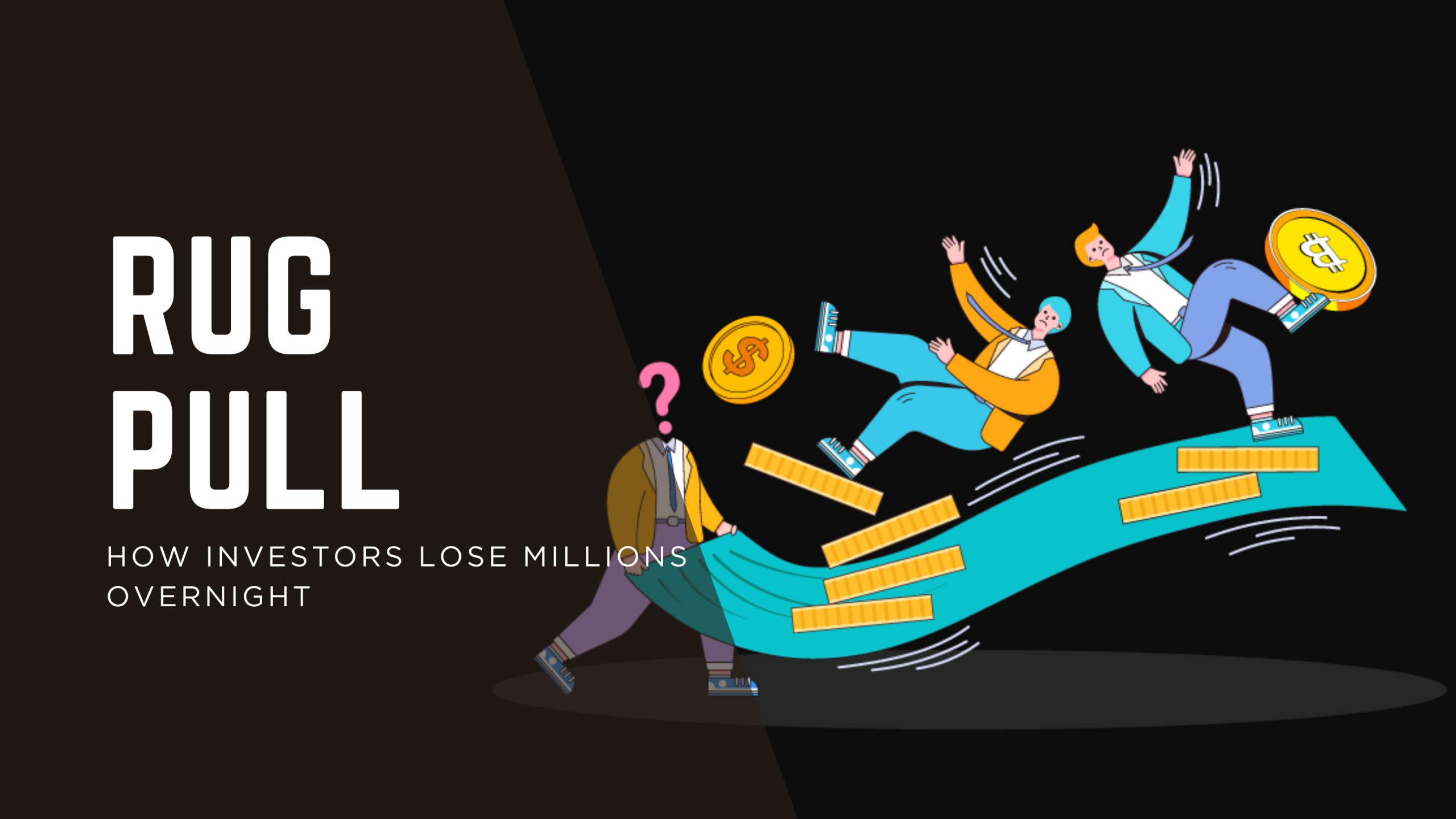
Picture this: You wake up one morning to check your crypto portfolio. Yesterday, your investment was worth $50,000. Today? It’s worth nothing. Zero. The project you believed in has vanished overnight, taking your money with it.
This isn’t fiction. It happens every day in crypto. And it has a name: a rug pull.
In 2024 alone, crypto investors lost over $4.6 billion to rug pulls. That’s just the reported cases. The real number is likely much higher.
But here’s the thing—these scams follow predictable patterns. Once you know what to look for, you can protect yourself. And that’s exactly what we’re going to cover.
What Is a Rug Pull?
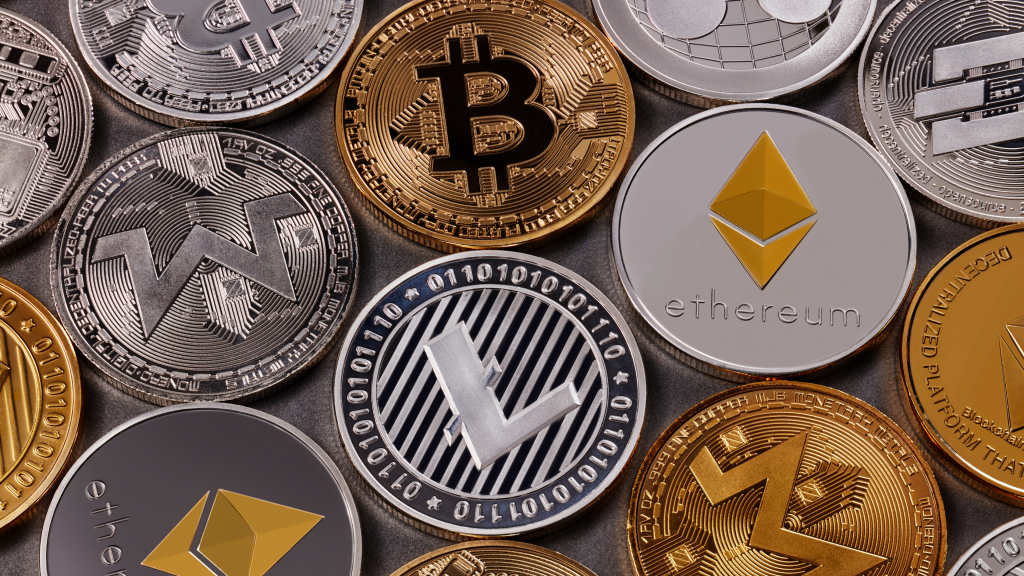
A rug pull occurs when crypto developers abandon their project, leaving investors with stolen money. The name comes from the phrase “pulling the rug out from under someone,” which is precisely what happens to victims.
Here’s how it works: Scammers create a new cryptocurrency token. They build hype through social media, influencer endorsements, and promises of massive returns. Investors buy in, driving up the price. Then, at the perfect moment, the creators cash out and disappear.
The rug pull meaning is simple: it’s theft disguised as a legitimate investment opportunity.
There are three main types:
Liquidity theft happens when creators drain the funding pool. Your tokens become worthless because there’s no liquidity to trade them.
Limiting sell orders involves coding the smart contract so that only developers can sell. You can buy, but you can’t sell. It’s a trap.
Pump and dump schemes involve creators artificially inflating the price, then selling their massive holdings all at once.
All three have the same result: investors lose everything.
The Anatomy of a Crypto Scam
Understanding how these scams work is your first line of defense. Let’s break down the typical rug pull playbook.
Phase 1: The Setup
Scammers create a token with an appealing name and story. Maybe it’s tied to a popular TV show (like the infamous SQUID token) or promises revolutionary technology. They build a professional-looking website, write a whitepaper, and create social media accounts.
Everything looks legitimate. That’s the point.
Phase 2: Building Hype
Next comes the marketing blitz. Scammers pay influencers to promote the token. They create fake partnerships and endorsements. They might even hack celebrity accounts to boost credibility.
The HAWK token scam used social media celebrity Hailey Welch to promote their meme coin. Within 20 minutes of launch, the company’s market cap crashed from $500 million to $60 million.
Phase 3: The Trap
As hype builds, investors start buying. The token price rises, creating FOMO (fear of missing out). More people buy in, thinking they’re getting in early on the next big thing.
But there’s a problem: the smart contract contains hidden code. Maybe only the creators can sell. Maybe they can mint unlimited new tokens. Maybe they control the liquidity pool.
Phase 4: The Pull
When enough money is in the pool, scammers execute their plan. They might:
- Drain all liquidity from the trading pool
- Sell their massive token holdings
- Use hidden contract functions to steal funds directly
The token price crashes to zero. Investors are unable to sell due to a lack of liquidity or contract restrictions. The scammers disappear with millions.
Famous Rug Pull Examples That Shocked the World
Let’s examine some real cases that have cost investors hundreds of millions.
SQUID Game Token: $3.4 Million Vanished
The SQUID token capitalized on the Netflix show’s popularity. The token price skyrocketed from pennies to over $2,800 in just days.
But there was a catch: investors could buy SQUID, but they couldn’t sell it. The smart contract blocked all sell orders except for the creators. When the scammers finally sold, the price crashed to zero in seconds.
Investors lost everything. The creators walked away with over $3 million.
SafeMoon: The Slow Burn
SafeMoon wasn’t a traditional overnight rug pull. Instead, it was a slow-motion disaster that unfolded over the years.
The project promised “locked liquidity” and community ownership. But behind the scenes, insiders were draining funds. In November 2023, the SEC and DOJ charged executives with fraud. The founder was convicted in May 2025.
Even “audited” projects can turn into scams.
AnubisDAO: $60 Million in 20 Hours
AnubisDAO raised $60 million in Ethereum during its token sale. Twenty hours later, all the funds were transferred to a different address and vanished.
The project didn’t even have a website: just a Discord server and Twitter account. Yet investors poured in $60 million based on hype alone.
Red Flags: How to Spot a Rug Pull Before It’s Too Late
Smart investors know what to look for. Here are the warning signs that scream “rug pull”:
Anonymous Teams
If you can’t find real names and backgrounds for the development team, run. Legitimate projects have transparent teams with verifiable credentials.
Unlocked Liquidity
Check if the project’s liquidity is locked. If developers can withdraw funds at any time, they probably will.
Whale Dominance
Look at the token distribution. If a few wallets hold most of the supply, those holders can crash the price instantly.
Too-Good-To-Be-True Returns
Promises of guaranteed 1000% returns? That’s not investing—that’s gambling with loaded dice.
No Real Utility
Ask yourself: what problem does this token solve? If the only purpose is to “go to the moon,” it’s probably a scam.
Suspicious Contract Code
Can you sell the token? Are there hidden fees or restrictions? Many rug pulls use contract code to trap investors.
Pressure to Buy Fast
Scammers create artificial urgency. “Limited time offer!” “Price going up soon!” Real projects don’t need high-pressure sales tactics.
How Social Catfish Protects You From Crypto Scams
When you’re dealing with anonymous crypto projects, you need to verify who’s really behind them. That’s where Social Catfish comes in.
Our platform helps you investigate the people and companies behind crypto projects. We can help you:
- Verify team member identities
- Check for previous scam involvement
- Investigate suspicious social media accounts
- Trace connections between different projects
Don’t let scammers hide behind fake identities. Social Catfish gives you the tools to uncover the truth before you invest.
We’ve helped thousands of people avoid crypto scams and romance scams that turn into crypto schemes. Our investigators know how these scams work and what to look for.
The Psychology Behind Rug Pull Victims
Why do smart people fall for these scams? It’s not about intelligence—it’s about psychology.
FOMO (Fear of Missing Out)
Scammers exploit our fear of missing the next Bitcoin. They create artificial scarcity and urgency. “Only 24 hours left!” “Price doubling tomorrow!”
Social Proof
When you see influencers and celebrities promoting a token, it feels safe. But many of these endorsements are paid or fake.
Confirmation Bias
Once we invest, we look for information that confirms our decision. We ignore red flags and focus on positive news.
The Sunk Cost Fallacy
After investing, we don’t want to admit we made a mistake. So we invest more, hoping to recover our losses.
Understanding these psychological tricks helps you make rational decisions instead of emotional ones.
Legal Consequences: Are Rug Pulls Illegal?
The legal landscape around rug pulls is complex. While rug pulls aren’t specifically illegal everywhere, they often violate existing laws:
- Securities fraud
- Wire fraud
- Money laundering
- Consumer protection violations
Some rug pull creators have been arrested and prosecuted. The Frosties NFT founders were charged with wire fraud and money laundering. But many scammers operate from countries with weak enforcement.
The key takeaway? Don’t count on law enforcement to get your money back. Prevention is your best protection.
Protecting Yourself: A Practical Defense Strategy
Here’s your action plan for avoiding rug pulls:
Before You Invest
- Research the team – Use Social Catfish to verify identities
- Check the code – Look for audits and contract verification
- Analyze tokenomics – Ensure fair distribution
- Test selling – Make sure you can actually sell the token
- Start small – Never invest more than you can afford to lose
During Your Investment
- Monitor team activity – Watch for suspicious wallet movements
- Stay informed – Follow project updates and community discussions
- Set stop losses – Have an exit strategy
- Trust your gut – If something feels wrong, it probably is
Red Flag Checklist
Before investing in any crypto project, ask yourself:
- Can I verify the team’s identities?
- Is the liquidity locked?
- Can I sell my tokens right now?
- Does the project solve a real problem?
- Are the promised returns realistic?
- Is there artificial urgency to buy?
If you answer “no” to any of these questions, walk away.
The Broader Impact on Crypto
Rug pulls don’t just hurt individual investors—they damage the entire crypto ecosystem. They:
- Erode public trust in cryptocurrency
- Attract negative regulatory attention
- Make it harder for legitimate projects to raise funds
- Give ammunition to crypto critics
Every successful rug pull makes it harder for the next legitimate project to succeed.
What to Do If You’ve Been Rug Pulled
If you’ve fallen victim to a rug pull, here’s what you should do:
Immediate Steps
- Document everything – Screenshots, transaction hashes, communications
- Report to authorities – File complaints with the FBI’s IC3 and local police
- Alert the community – Warn others on social media and forums
- Contact exchanges – Some may freeze scammer accounts
Recovery Options
Unfortunately, recovering funds from a rug pull is extremely difficult. Cryptocurrency transactions are irreversible, and scammers often use privacy tools to hide their tracks.
Your best bet is prevention, not recovery.
The Future of Rug Pull Prevention
The crypto industry is fighting back against rug pulls with:
- Better auditing tools that detect malicious code
- Decentralized verification systems
- Insurance protocols for DeFi investments
- Regulatory frameworks that protect investors
But scammers adapt quickly. New types of rug pulls emerge regularly, from pig butchering schemes to fake exchange platforms.
Beyond Crypto: Other Investment Scams to Watch
Rug pulls aren’t limited to cryptocurrency. Similar scams exist in:
- Forex trading – Be careful with forex trading apps
- Bitcoin investments – Watch for Bitcoin scams promising guaranteed returns
- Tax schemes – Understand crypto tax implications before investing
The same principles apply: verify before you trust, research before you invest, and never risk more than you can afford to lose.
Your Best Defense Against Rug Pulls
Knowledge is power. Now that you understand what a rug pull is and how these scams work, you’re already ahead of most investors.
Remember the key warning signs:
- Anonymous teams
- Unlocked liquidity
- Unrealistic promises
- Pressure to buy quickly
- Inability to sell tokens
When in doubt, don’t invest. There will always be another opportunity, but you can’t get back money lost to scammers.
And if you need help investigating a crypto project or verifying team members, Social Catfish is here to help. Our expert investigators can uncover the truth behind any project before you risk your hard-earned money.
The crypto world offers incredible opportunities. But it’s also full of predators waiting to steal from unwary investors. Stay vigilant, do your research, and never let FOMO override common sense.
Your financial future depends on it.