 Multiple Faces Detected


 October 18th, 2023
Where the internet has become an integral part of our daily lives, concerns about online privacy and security have never been more pressing. As we navigate the vast virtual landscape, leaving digital footprints with every click and keystroke, the need to safeguard our personal information and maintain anonymity has grown exponentially. This is where Virtual Private Networks (VPNs) step in as powerful tools that offer a shield of protection against prying eyes and potential threats. In this blog post, we’ll delve into the world of VPNs, exploring how they work, why they are essential for safeguarding your online activities, and how you can harness their capabilities to regain control over your digital privacy. Join us on this journey as we unlock the secrets of using VPNs for anonymity and privacy in an interconnected world.
Understanding VPN Technology
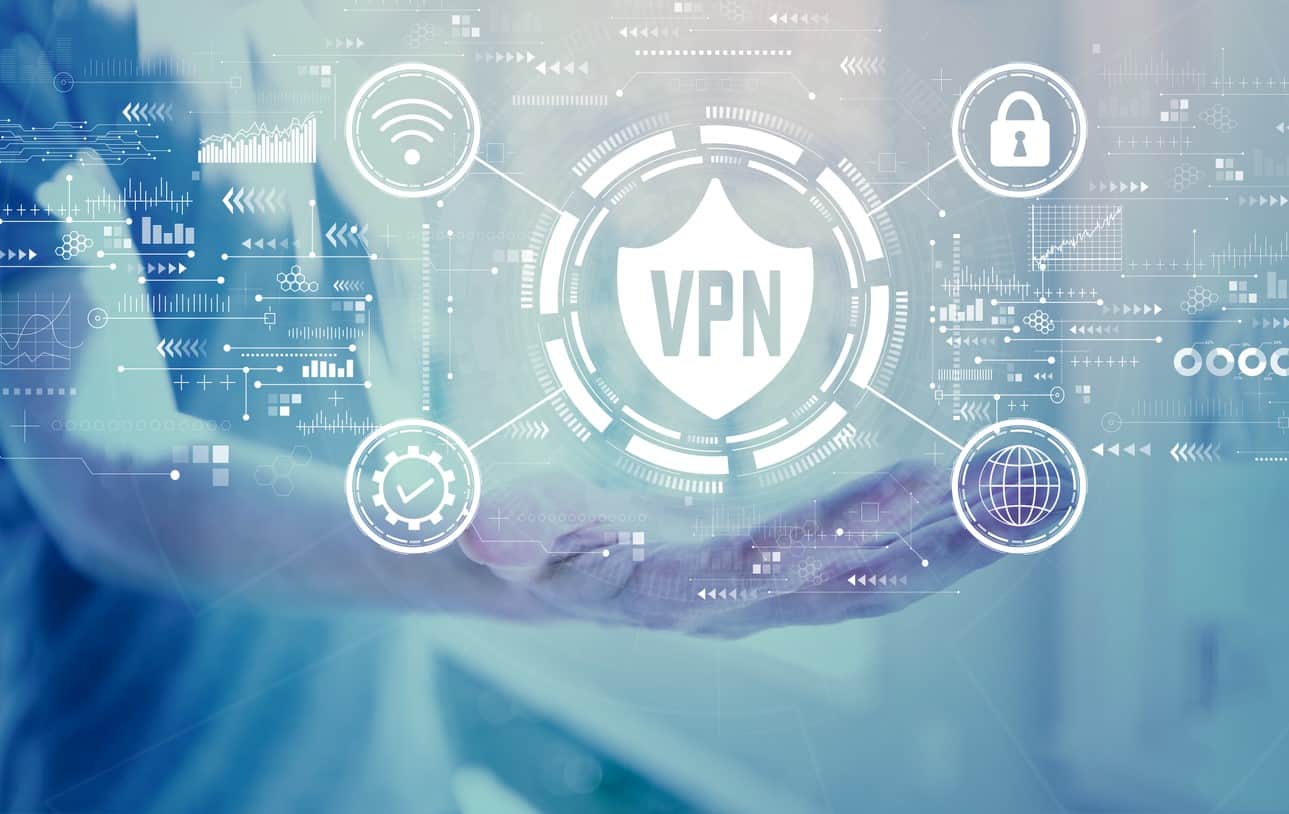
Virtual Private Networks, commonly known as VPNs, have become an integral part of today’s digital landscape. To grasp their significance, it’s essential to understand the technology behind them. At its core, a VPN is a network of servers that allows you to create a secure, encrypted connection to the internet, effectively shielding your online activities from prying eyes.
- Tunneling Protocols: VPNs operate using various tunneling protocols that determine how data packets are encapsulated and transmitted across the internet. Common protocols include OpenVPN, L2TP/IPsec, and PPTP. Each has its strengths and weaknesses in terms of speed and security. OpenVPN, for example, is known for its robust security features.
- Encryption: One of the fundamental aspects of VPN technology is encryption. When you connect to a VPN server, your data is encrypted before it leaves your device. This means that even if intercepted, the data appears as gibberish without the decryption key. AES (Advanced Encryption Standard) is a widely used encryption method in VPNs, known for its strength.
- Server Locations: VPNs operate through a network of servers located in various regions globally. Users can connect to servers in different countries, effectively masking their true location. This feature is particularly useful for accessing geo-restricted content or maintaining anonymity.
- Protocols for Security and Privacy: VPNs offer different levels of security and privacy, depending on the protocol used. Some VPN services prioritize privacy and may keep minimal or no logs of your online activities, enhancing anonymity. Others may focus on high-speed connections but may keep logs for troubleshooting purposes.
- Kill Switch: A crucial feature in VPN technology is the kill switch. This feature ensures that if your VPN connection drops unexpectedly, your internet connection is severed to prevent data leaks. It’s a failsafe mechanism to maintain your privacy, especially when using public Wi-Fi networks.
- Multi-Platform Compatibility: Modern VPN services are compatible with various devices and operating systems, including Windows, macOS, Android, iOS, and even routers. This flexibility ensures that you can protect your online activities across all your devices seamlessly.
The Benefits of VPNs
The use of Virtual Private Networks (VPNs) has become increasingly popular, owing to the multitude of benefits they offer to individuals and businesses alike. One of the most renowned advantages of VPNs is the heightened security they provide. By encrypting your internet connection, VPNs shield your data from potential threats and cyberattacks, making them particularly valuable when using public Wi-Fi networks, which are often vulnerable to data breaches.
Another significant benefit of VPNs is their role in preserving privacy. By concealing your IP address and making it appear as if you’re connecting from a different location, VPNs make it challenging for websites, advertisers, and even your internet service provider (ISP) to track your online activities, ensuring your anonymity remains intact.
VPNs also empower users to overcome geo-restrictions effectively. Whether it’s accessing blocked content, streaming services, or websites, VPNs can make it seem as though you’re browsing from a different country, expanding your access to various online resources.
For businesses and remote workers, VPNs are essential for maintaining a secure remote work environment. They enable secure remote access to a company’s internal network, allowing employees to work from anywhere without compromising data security—an especially valuable feature in the current landscape of remote work.
In regions with strict internet censorship, VPNs serve as a lifeline to unrestricted information access and free communication. By routing internet traffic through servers in other countries, users can bypass government-imposed restrictions and communicate freely.
Additionally, for users interested in peer-to-peer (P2P) file sharing or torrenting, VPNs offer enhanced security. They conceal your IP address from others in the network, reducing the risk of exposure to copyright enforcement entities or malicious parties.
Lastly, VPNs can lead to cost savings. Some online services and travel booking websites may offer different prices based on your location. By connecting through a VPN server in a region with lower prices, you can potentially save money on various online purchases.
Choosing the Right VPN Service
Selecting the right VPN service is crucial to ensure you get the best protection, performance, and features to meet your specific needs. With a plethora of VPN providers on the market, it’s essential to consider various factors before making your choice.
First and foremost, you should assess the level of security a VPN service offers. Look for features like strong encryption protocols, a no-logs policy, and a kill switch. Strong encryption ensures your data remains secure during transmission, while a no-logs policy means the VPN provider doesn’t record your online activities, preserving your privacy. The kill switch function prevents data leaks in case your VPN connection drops, maintaining your anonymity.
Speed and performance are critical considerations, especially if you plan to use the VPN for streaming, gaming, or large file downloads. Some VPNs can slow down your internet connection, so it’s essential to choose a provider with high-speed servers and minimal latency.
Another factor to examine is the server network. Make sure the VPN has servers in locations that match your needs. If you want to access geo-restricted content, ensure there are servers in the desired countries. A widespread server network also means more options and better performance.
Lastly, pricing and subscription options matter. Different VPN providers offer various pricing plans, and some may provide a free version with limited features. Evaluate your budget and requirements to find a VPN service that strikes the right balance between cost and performance. Additionally, consider whether the provider offers a money-back guarantee or a free trial period to test their services before committing to a long-term subscription.
VPN Usage Tips
Choose the Right Server
When connecting to a VPN, select a server location that aligns with your needs. If you want to access geo-restricted content, connect to a server in the desired country. For the best performance, choose a server that’s geographically close to your actual location.
Enable Kill Switch
Most reputable VPNs offer a kill switch feature. Activate it to ensure that if your VPN connection drops unexpectedly, your internet access is immediately blocked. This prevents any data from leaking outside the encrypted tunnel, maintaining your privacy.
Regularly Update Your VPN Client
VPN providers release updates and patches to enhance security and fix vulnerabilities. Make it a habit to update your VPN client regularly to ensure you have the latest protections in place.
Use Strong Passwords
Always set a strong, unique password for your VPN account. A robust password is your first line of defense against unauthorized access. Consider using a password manager to generate and store complex passwords securely.
Avoid Free VPNs
While there are free VPN services available, they often come with limitations and potential privacy concerns. Paid VPNs generally offer better security, speed, and customer support. It’s worth investing in a reliable VPN service for peace of mind.
Understand Logging Policies
Carefully review your VPN provider’s logging policy. Opt for a service that follows a strict no-logs policy, meaning they don’t collect or store your online activities. This ensures your privacy remains intact.
Use Two-Factor Authentication (2FA)
If your VPN provider offers 2FA, enable it. Two-factor authentication adds an extra layer of security to your VPN account by requiring a secondary verification method, such as a code sent to your mobile device.
Regularly Test Your VPN
Ensure your VPN is working correctly by periodically testing it. Check your IP address and DNS leaks using online tools to verify that your VPN is effectively masking your identity.
Be Wary of Phishing
VPN users can also fall victim to phishing attacks. Be cautious when clicking on links or downloading files, especially if they are sent to you via email or messaging platforms. Verify the source’s legitimacy before taking any action.
Read Terms and Conditions
Familiarize yourself with your VPN provider’s terms and conditions, as well as their privacy policy. Understanding their policies and practices can help you make informed decisions regarding your online security and privacy.