 Multiple Faces Detected


 October 30th, 2020
When was the last time you shopped online? When you did so, did you stop to consider the safety of your purchase, data, or financial information?
If you are like most consumers, a popular product for an exceptional price is enticing. Consumers have spoken, and they love online shopping! It is convenient, saves time and gas and avoids lines (along with the disappointment of going to a store only to find sold out items).
More than likely, online shopping has a more significant role in your life, then it did 5 or 10 years ago. Online retail could even be your shopping method of choice! Whether you shop directly through online retailers or make use of your Amazon Prime membership for free, fast delivery, protecting yourself from thieves and scammers is essential.
Each time we online shop, we risk exposing our personal and financial data to cyber-criminals and having our money and purchase(s) stolen. Our guide contains the most comprehensive, up-to-date information available on the web. We will provide you with tools that last longer than Prime Day on Amazon or a 20% offer at your favorite online retailer!
Learn the tips, tricks, benefits, and drawbacks to online shopping and how to protect yourself, so you get the purchases you want, without the cons, scams, and theft you don’t! We will teach you how you can keep your purchases, products, and accounts safe.
- How Do Online Shopping Scams Work?
- Insane Online Shopping Scams Statistics
- Other Types of Online Shopping Scams
- How to Spot Fake Online Shopping Websites
- Beware of Amazon Scams
- How To Spot Online Shopping Scams
- How to Protect Yourself from Online Shopping Scams
- What to Do If You Get Scammed Shopping Online
How Do Online Shopping Scams Work?

Online shopping scams impact both buyers and sellers. While buyers may feel most at risk (since they share their data and credit card information with the website or buyers they purchase from) sellers have their worries to contend with.
Online shopping scams include phishing websites, bogus emails, fake online sellers, alternative payment scams, false advertising, malware, fake classified ads scams, stolen credit card scams, financial data scams, identity theft, stolen purchases, subscription scams, over-payment scams, blackmail scams, and buyers pretending they didn’t receive the items they did.
Fake Websites
There are many types of bogus retail websites. Some are copycat sites which steal your data or download malware, while others are rip-off sites which want you to pay big money to purchase brand knock-offs of more expensive products and items. A fake retail website may use carefully worded terms to trick you into thinking you are getting an original product, instead of a poorly constructed copycat.
Many people are fooled by fake websites which seem to rank high in Google or have an official (.com, etc.) web address/URL. The goal of these replica sites is to get sales from unsuspecting consumers. Most of us trust whatever appears first in search engine results.
You might end up buying what you thought was an electronic or luxury item sold for an amazingly low price, only to end up with junk that won’t last more than a week or a month, if that. Worse, you might pay with your credit card and expose your data to a site that exists only to collect credit card numbers and security codes.
Bogus Emails
Bogus emails try and direct you to a website under pretenses. An email heading may read, “Chanel Bag, 50% off!) and then direct you to a knockoff site. Some bogus emails will even lead you to the sales page of their website, hoping that you purchase immediately trusting whatever you saw in the email.
If you receive an unsolicited email (even for a product you have been searching for), look at the actual link (as in, the URL web address, not just the words displayed). Bogus emails might also want your data or sign you up for subscription services you don’t want.
Fake Online Sellers
A new seller is advertising the unlocked phone you’re looking for at 60% less than other retailers. Sure, they don’t have very many customer reviews or a high rating, but why not take a chance on a great deal?
Unfortunately, the seller might be offering the sale because they want your credit card information (to sell it or use on purchasing stolen products, at your expense!). Or, they could take your payment and keep it, never sending you the purchase. Last, they could be using a hacked account and still get the money and run!
Alternative Payment Scams
Most of us want what we want, and scammers use that to their advantage. Similar to the popular Ariana Grande song (2018), “7 Rings”, if you “want it”, you “got it” and alternative payment scams know how to be seductive!
This is how they work: You begin discussing a purchase with an online retailer or a seller through a classified ad. You know that it is best to use traditional payment methods, but they offer you a discount you can’t refuse. They suggest that you pay outside the official sales site or send them a payment instead of meeting in person.
They may recommend that you email them an online gift card, cash, or wire them money. Unfortunately, they may be a domestic criminal trying to scam you or part of an overseas scammers Nigerian 419 scam.
False Advertising
Fake websites and bogus emails usually contain carefully worded false advertising. If this false advertising is done illegally, it will contain outright lies and mistruths to trick you into buying products under a falsehood. Other false advertising relies on a bait and switch technique and may be done more legally.
For instance, an advertisement might tell you that Beyonce uses a particular product. That may be true. However, the product you are purchasing is not the same one, and you might scroll right past the fine print disclaimers and end up buying something you don’t want or need.
Phishing & Malware
Phishing comes from the root word, “phish”. According to Dictionary.com, “phish” means:
To try to obtain financial or other confidential information from Internet users, typically by sending an email that looks as if it is from a legitimate organization, usually a financial institution, but contains a link to a fake website that replicates the real one.
This happens when you click on a web link inside an email or found online, and the site tries to get your financial or personal data. This can occur when you fill in the information yourself (when buying a product or within an email) or try and log-in to (what you thought was!) your account.
For instance, the phishing email may look as if it is from your bank, regarding a purchase you made online, but it contains fake links for your banking login and password! Typical fake phishing emails often appear to be sent from eBay, Amazon Prime membership, a website you previously purchased products from, and more.
Keep in mind that websites you have used in the past may have been hacked and the hacker is messaging everyone in that company’s database. To avoid malware and hacks from phishing emails and websites, look at who emailed you. This isn’t the name displayed or embedded over the email address, but the “reply to” address.
Also, hover your mouse over each in-body email link and see what the web URL is. If the email claims to be from Amazon or eBay but sends you to a web URL you’ve never heard of, it isn’t legitimate. Type the real website into your browser and know that legitimate sites and businesses will never call or email to ask for your username, login information, password, or sensitive data.
Fake Classified Ads
There are many online classified sites for purchasing and selling items. The scams associated with fake classified ads impact buyers and sellers. Consumers and buyers encounter scams on commonly used websites and apps like Craigslist, Facebook Marketplace, OfferUp, Letgo, Sell.com, and more.
For Buyers: An ad or post may offer products for sale that the poster doesn’t own. Even if the poster appears to live local to you, they might claim that they will ship you the item at a discount – if they’re “out of town”, on a “work trip” or “holiday” – and suggest that you pay by money wire, iTunes gift card, PayPal, etc. They could also rob you in person, if you meet to sell an expensive item in a private location.
For Sellers: A scammer pays you by (fake) check or (fake) cashier’s check, but you don’t realize this until they already have your item in their hands! You deposit their check like any other. However, since their payment method was fake, your bank will eventually stop payment on their check.
When this happens, you will be charged a bounced check fee, and the amount of the check will be deducted from your account! Do not give them a refund, before making sure the check clears (even if they threaten to report your account if you don’t comply), or you could be out hundreds or thousands of dollars!
Stolen Credit Cards & Financial Data (i.e., Identity Theft)
Identity theft often happens through phished websites and emails, but it doesn’t matter how a website or scammer gets your data, once they have it, there is no stopping them! There are tiers of scammers. Some steal data and use it themselves. Others buy the data from others on the dark web.
Some prefer to take and sell it to another criminal. Thieves may use your credit card data before you realize it is stolen and purchase hundreds or thousands of dollars in merchandise. If they were able to “phish” additional information about you (name, address, phone number, SSN, driver’s license #, etc.), then they will open up multiple credit card accounts under your name and use those to buy online merchandise.
Stolen Purchases
This occurs when you buy something online (typically) through an independent online seller and find out (after your purchase and when they’ve already made off with your money!) that the product you bought was stolen. It might be an electronic or other stolen item. If it is a cell phone, you might find out it is locked and unusable.
Overpayment Scams
This happens when a buyer purchases something from you online and overpays. This scam frequently occurs through PayPal, Craigslist, and websites. The buyer will claim that they mistakenly overpaid and bought two items in error when they only wanted one. They will ask for a refund check by mail.
Unfortunately, this is a scam. You were either paid by fake payment method (that your bank will reverse) or they always planned on changing the charge they paid to you. If you send them cash, a gift card, or a check, they will now have that additional money at no cost to them. The scammers hope you never notice the crime.
Blackmail Scams
For Sellers: Your seller rating matters to you. However, as much as your company does a great job at customer service, someone claims they didn’t receive a product. You believe they’re lying, but if you don’t give them a refund or other merchandise, they threaten to leave your company negative reviews and destroy your seller rating.
For Buyers: As a buyer, if you end up having malware downloaded on your computer, a truly horrible scammer might try and blackmail you with any embarrassing information or pictures they find.
Buyer Scams
Similar to blackmail scams but without any threats, this type of scam involves an (Amazon, eBay, etc.) purchaser claiming they didn’t get a product and want a refund or other product sent. In reality, they did receive the product(s) and are trying to scam you!
Subscription Scams
You buy clothes, makeup, or other goods online. You scroll past the fine print associated with your purchase. The next month your credit card has more charges, and you realize you’ve enrolled in a monthly delivery of the product.
The second type of subscription scam involves suspect payment methods (money order, gift card, cash) being requested for fake magazine sales subscriptions, etc.
Insane Online Shopping Scams Statistics
The headlines are in, according to Experian:
This past year, we saw more than a 30 percent increase in e-commerce fraud attacks.
Online shopping is now the hottest way to shop and the riskiest for your data. No longer is online shopping a mere backup alternative to buying at a storefront business. Instead, international e-commerce has a well-respected role in retail and one that is steadily increasing. By the year 2021, Statista expects over 2.14 billion people, worldwide, to purchase goods and services online (up from 1.66 billion global digital buyers in 2016.

Why do we shop online?
Simple, it is fast, easy, and the selection can’t be beaten! We use our smartphone, laptop, or an app to buy products such as clothing, shoes, and books, along with groceries and other necessities. You’d have to be living in a cave if you haven’t heard of, or probably used, major e-commerce sites such as Amazon, eBay, etc.
In fact, according to Statista, Amazon was the “leading e-retailer in the United States” in 2018. While Amazon’s piece of the ‘online shopping pie’ was close to 232B dollars (U.S.) in net sales, with a net income of 10B dollars (U.S.), total shopping through U.S. online merchants was a whopping $517.36B, according to Internet Retailer’s Analysis of the U.S. Commerce Department’s data.
Meanwhile, sales through online shopping show no signs of slowing down and is anticipated to increase tenfold. In the year 2021, total e-commerce is projected to reach $4.8 trillion.
However, when it comes to online retail, scammers are an ongoing problem. According to Experian’s 2019 report, “Russian Hackers Aren’t the Only Ones to Worry About Online Shopping Fraud Report”:
Online shopping fraud attacks rose 30% in 2017 vs. 2016, and transactions originating from a foreign Internet Protocol (IP) address were about seven times riskier than average.
Indeed, the risk of fraud and scams when shopping online is real, and Javelin Research suggests that “identity theft fraud affected a record 16.7 million U.S. consumers” in 2018.
Before you become a victim, we will teach you how scams occur, the latest risks, and cutting edge ways to protect yourself from financial loss and data loss that could wreak havoc in your life.
The information gained by the FTC’s Consumer Sentinel Network is immense. Not only does CSN provide the government and consumers with research on the age and gender of those most impacted by scams, but also the location, number of financial reports, and more.
[bctt tweet=”In the year of 2018, the FTC’s Consumer Sentinel Network received 3 million reports.” username=”socialcatfish”]
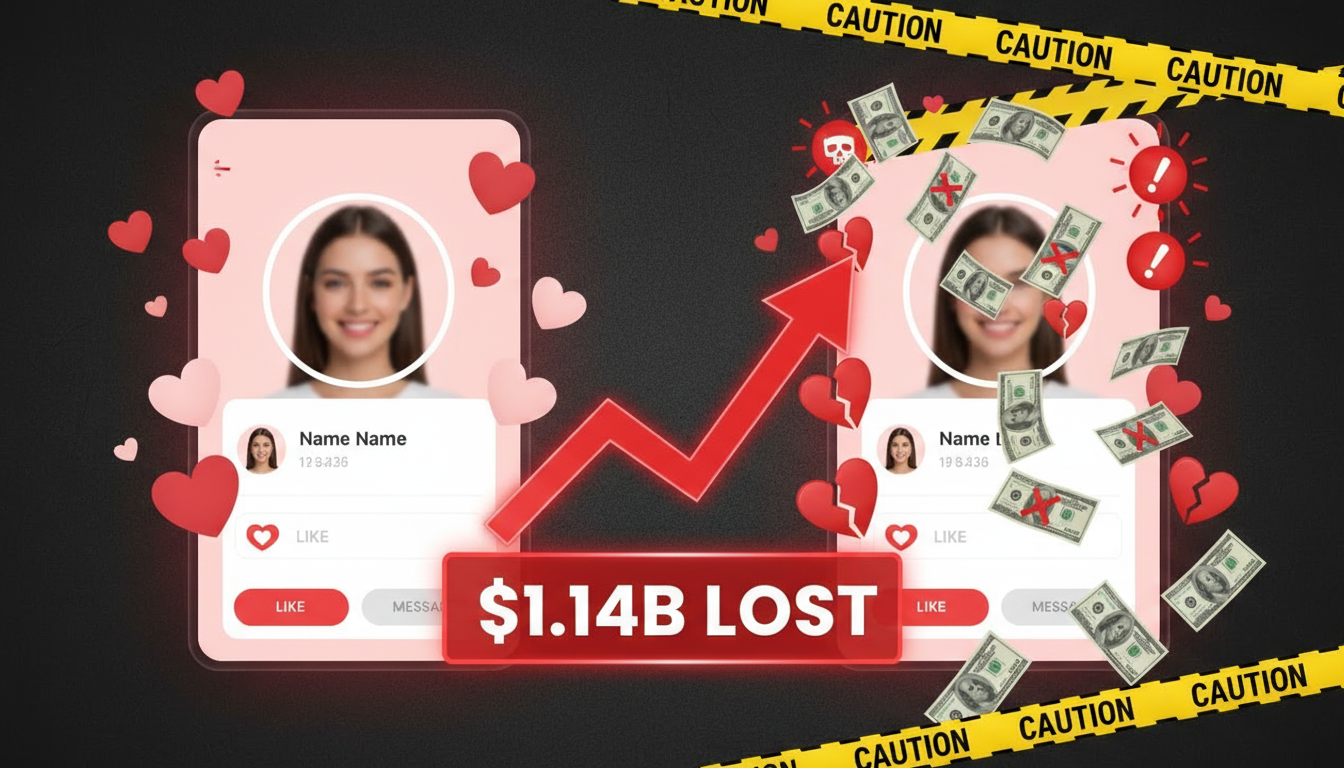
Of those 3 million reports, they collected 1.4 million fraud reports. 25% of which were from people who reported losing money. The amount lost totaled $1.48 billion, which is a terrifying 38% increase since 2017.
Which gender was most at risk?
Were men or women more likely to be victims of an online financial scam? Although cultural stereotype is that women love to shop, it was men who experienced more crime than women. 45.7% of women ($21M+) were scammed and 52.5% of men ($24M+). Gender X was 1.8% ($817k).
Although research has proven that older people are more likely to fall for the Pollyanna Principle and interpret offers more positively, younger people fall for more online shopping scams statistically. Last year, 43% of people in their 20’s reported a loss compared with only 15% of people in the 70’s.
However, this is the kicker!
When people in their 70’s did lose money, the (median) loss was $751 to $400 (for people in their 20’s).
What about your State? How did your geographic location fare and where did online shopping scams happen the most?
The top 3 States for shipping fraud rate were Delaware, Oregon, and Florida. When it comes to billing fraud rates, the top 3 States were Delaware once again at the top, Oregon, and the District of Columbia.
When someone experiences shipping fraud, the criminal steals the payment information from their victim and purchases an expensive item. After the criminal does this, they have it shipped to their house and that item then becomes theirs. For billing fraud, the victim’s address is tied to the payment account which was used to purchase the criminal’s stolen items.
Beware of Amazon Scams
Do you get excited the moment you log into Amazon and place items into your online shopping cart? Maybe you have an Amazon Prime membership and use the service to take advantage of free delivery or to watch movies.
While Amazon is the leader for sales and slowly replacing many of the items, we traditionally bought at department stores, supermarkets, and bookstores, it is also a scammers favorite hot spot! Unfortunately, scammers have plenty of time and money to spend perfecting their scams.
They rely on your inability to recognize scams from legitimate emails, phone calls, or sales. They also make sure their fake emails and websites are virtually indistinguishable from real emails and shopping sites. If you love online shopping but don’t love scams, read the following, so your next checkout is scam free!
Amazon Prime Day Scams
Scammers wait for opportunities. What better time to trick an Amazon user than in the days leading up to July 16th, when Amazon Prime Day begins.
According to Hanscom, many Amazon Prime Day scams involve phishing. As discussed, phishing scams aren’t the kind you need a fishing pole for! Instead, phishing is a form of fraud perpetrated through emails which look legitimate but aren’t. While the email you receive (and the site it links you to) may appear to be from Amazon, it is a fake.
The email originates from a scammer who wants your details and credit card information. If they want a quick stolen purchase at your expense, they will try and snag your credit card and banking information. If they’re going to sell your data as part of an identity theft scam, they may also get a hold of your passwords, name and address, driver’s license number, social security number, and more.
Amazon’s online warning about scammers reads:
Amazon will never send you an unsolicited email that asks you to provide sensitive personal information like your social security number, tax ID, bank account number, credit card information, ID questions like your mother's maiden name or your password. If you receive a suspicious email, please report it immediately.
Here Are Some Examples of Amazon Prime Day Scams
You receive an email from Amazon, which says that the credit card you have on file has expired. One of your credit cards did expire recently, so you click on the link in the email and update your information. However, your information has now been compromised, as the email was fake and a cyber-criminal can now use it for theft.
If this happens, contact your credit card company and bank immediately, and put a hold on your credit card if you’re concerned about identity theft, file a report with the FTC. Continue to monitor your credit report and if you find unauthorized cards, charges, or transactions, request a credit freeze.
You receive an email from Amazon that it is time to reset your password. You click on the link within the email and are redirected to the Amazon website. Or, at least, the design and logos on the page look like Amazon.
However, if you take the time to review the actual web address/URL, you will discover is not Amazon.com. Although some users assume the unique URL is due to the password reset, it is not.
It is a scam.
If this happens, immediately go to Amazon.com and change your password.
Contact Amazon and explain what happened. If you prefer to talk to a real person at Amazon, you may contact by phone or chat. You should also check your Amazon account for any orders the scammer may have placed and consider changing your security questions, along with reviewing your credit and bank statements for fraudulent transactions.
You receive an email about a special offer for Amazon Prime Day. It sounds great! Supposedly, you will receive a $50 bonus for your purchase or 50% off. All you have to do is redeem the offer or order through the link within the email.
You recognize that to receive the additional bonus coupon or promo code, you have to enter your private information, but the significant savings seems worth it. However, the email is fake, and you will be entering your information on a phishing site. If this happens and your personal or financial data is compromised, contact Amazon and your financial institution(s) to explain what happened and minimize financial loss.
Unfortunately, if you gave out your personal information (DL number, SSN, name, address, etc.), you may have your identity stolen and fraudulent credit cards taken out in your name. To remedy this, you will need to contact the credit reporting agency and request a credit freeze.
As of September 2018, you can now freeze or unfreeze your credit at no cost. You may also request a credit freeze for your children who are under age 16 if you believe their credit has also been compromised. To request a credit freeze, contact Equifax 800-685-1111, Experian 888-EXPERIAN (888-397-3742), and TransUnion 888-909-8872.
The freeze will be performed within one day and, whenever you are ready to have the freeze lifted, it should be done within an hour! There is also the option of a free temporary lift if you need to apply for a mortgage loan, etc. As an identity theft victim, you can receive a year-long, or up to 7 years if extended, of fraud alert. You can also file a police report, should you notice any fraudulent charges or incorrectly opened credit accounts.
Amazon Gift Card Scams
You may want to use an Amazon gift card. However, what you probably do not want is to be scammed through a gift card or lose funds! Believe it or not, scammers can make you think you need to pay by Amazon gift card and then steal the money for themselves!
This is how it works:
An Amazon seller connects with you by phone, email, or through Amazon. They try and lure you in by offering you a considerable discount or excellent price. Other times they will give a soap opera worthy story as to why they need you to pay by a gift card.
They make use of a sense of “urgency” and tell you that you can pay online or provide them with the details on the gift card (through phone, text, or online). If you do this, they will take your gift card number and steal it, using it on purchases for themselves, while sending you nothing!
You find a website online or visit it through an email you were sent. The site claims that it allows users to pay with their Amazon gift card(s). Unfortunately, no website outside of Amazon would allow you to use your gift card correctly. If you gave an external site or company your Amazon gift card details, you should consider your gift card compromised! If this happens to you, check your gift card balance and contact Amazon immediately.
- While you’re at it, report the occurrence to the FTC if you’ve lost funds.
- For phone assistance, call (877) FTC-HELP
- To complain by mail:
- Federal Trade Commission, CRC-240, Washington, D.C. 20580
Amazon Seller Scams
Selling on Amazon isn’t always an avenue to riches or as easy as it seems. Competing sellers and fraudulent buyers can take a chunk out of your profits. Whether you’re a buyer or a seller, make sure to familiarize yourself with these scams!
Fake Reviews on Amazon
Bad Reviews
Your competitors know who you are and hope that, by giving you chronically bad reviews, they’ll get more sales! While their attempt at (fake) negative reviews might backfire (it could get flagged and removed if they mention their competing product), it may not violate Amazon’s terms. This means that a series of bad reviews could mess with your profits! If you’re worried, this is happening to you, contact Amazon Sellers services.
Positive Reviews
While one wouldn’t think a positive review could be a bad thing, it can be if scammers leave fake positive reviews to make it seem as if your company created them proportionally. These saccharin sweet reviews could cause buyers to avoid your products and look for purchases with more legitimate, genuine sounding reviews!
Upvotes
This is when a scammer from another company upvotes the negative reviews to make your venture or product perform poorly.
Amazon Refund Frauds
Fake returns can happen when an actual buyer lies that they didn’t receive your product. The delivery might have been delayed, or they never received it, but they either request a refund or replacement of your product. This can cost you money over time.
Amazon Fake Return
According to Business News Daily, seller Mark Ortiz had a competitor buy all his inventory, to give their product a chance of getting more sales. The seller then returned all of the merchandise in search of a refund!
Amazon Email Scams
Not only is it important to know what to look for, in regards to email scams, it is also essential to know what Amazon will NOT ask. According to Seller Central, the site will not ask for any of the following by email:
- Your bank information, credit card digits, card PIN, the security code on your credit card or gift card.
- Family information will not be asked for, such as your mother’s maiden name, place of birth, or questions which could be your password security questions.
- Your Amazon or Seller Central login or password information.
While an email you receive may look official and use jargon similar to legitimate Amazon emails, if you receive an email which asks for any of the above items, you’ll know it is not from Amazon. You can verify it is spoofed by noticing the “reply to” email address. It will not be from @amazon.com but use a vastly different @name or one that is a typo of Amazon (example: amizon.com)
Another fraudulent phishing and scam method added to emails is an “unsubscribe” button. If you click on the link, it will only lead you to download malware or ask for information. Amazon asks anyone who receives this email to send the details of the email.
You should include the headers of the email, which will resemble the following list:
- X-Sender: [email protected]
- X-Sender-IP: [10.1.9.2]
- X-Date: Tue, 12 Apr 2019 11:03:09 +0000 (UTC)
- X-Recipient: [email protected]
- X-OUID: 1
Amazon Order Confirmation Scams
Order confirmation scams are so believable it is hard not to fall for them. You will receive an email which appears to recreate a standard order confirmation. The message will inform you that your order has shipped and provided the order #. The email will say that you need to click “Order Details” for important information. In reality, this is a trick to get you to download malware or redirect to a malicious site.
What You Should Do
Do not click on anything in a suspicious-looking email! Doing so may open up a Word document on your account, which will download and execute a virus, according to InfoSecurity Group. Check the web address under the links and the ‘reply to’ email address, not just the name or words embedded over the email address. If it is not from @amazon.com, delete it and send the email information to Amazon via their report phishing form.
Instead of clicking on any links in the email, go directly to Amazon.com by typing in the official URL manually. Verify whether you have any alerts on their official website. The fake order number sent to you will be different than any real open order numbers.
Amazon Survey Scams
Survey scams are difficult to evaluate. Real Amazon Consumer Surveys are sometimes hosted by the online shopping giant, according to Amazon.com, through 3rd party vendors.
The difference between the official survey you receive by email invitation is that it will arrive at your designated Amazon email address. It will not collect any private/personal information. It will contain certain hyperlinks, and clicking on the links will not cause you to download anything which invades your computer system. When you participate in the official survey, you will receive a digital gift card about two weeks after you complete the survey, at the same email address the offer was sent to.
You’ll know the survey offer is a fake if it asks for your account information and password, Social Security number, or other sensitive financial or personal data. Should you receive offers of that kind, visit [email protected].
To see what a typical Amazon.com survey will look like, review one HERE. Unfortunately, scammers may recreate the same format with fake hyperlinks; they send you to scammer sites to steal your data or get your login information to hack into your account.
Amazon Just Launched Scams
Just Launched sellers are getting a bad reputation on Amazon. Their name will show with limited merchandise and a great deal. Next to their name is a tag of “Just Launched”.
Unfortunately, other buyers and sellers are discovering that these new sellers seem to have no intention of ever shipping items. Beware of ordering too many products from these new sellers, even if the item(s) or product is available for an exceptional price. If your product doesn’t arrive, request a refund.
Amazon Car Scams
Cars are expensive purchases. Thus it makes sense that scammers would use this to their advantage.
Phishing Emails
Many car scams happen through fake phishing emails. The emails use Amazon terms land logos, but direct you to a website that isn’t related to Amazon at all. You may not realize this has happened until you receive the invoice (after you’ve paid)!
Stolen Credit Card Data
While searching for cars online, you may encounter links or websites which appear to sell cars but do not have cars for sale, at all. They exist on the web, only to steal your credit card information.
Merchant Sites
Similar to example 1, if you end up on an external website, you will lose the protection of Amazon. Avoid being directed to purchase a vehicle through a separate merchant site.
Sales by Cash, Money Order, Gift Card
Cars are costly and, even if you want a great one fast, don’t settle on a vehicle just because an eager seller lures you in with an offer you can’t refuse. A “too good to be true” offer is almost guaranteed to be a scam.
Amazon Phone Scams
When a real person is on the phone, it is easy to trust what they say. An Amazon phone scam occurs when someone calls you about your account. Whether you’re a buyer or seller, they will explain that you have a severe account problem. They might indicate that there has been suspected fraud, your account was hacked, is under review, etc.
Their goal?
To get your account information and steal from you!
Amazon Refund Scams
This is a scam that many Amazon users try and justify. They claim that they didn’t receive a product or that it wasn’t as described. In both cases, they request a fraudulent refund from Amazon and the seller, keeping funds or merchandise which may risk the seller’s ability to carry on business, if it happens from too many buyers.
Amazon Review Scams
A great review and a terrible review can both be a scam. Great reviews are sometimes written by competing sellers, to make it sound as if the company faked their positive reviews. Amazon sellers will also flood competitor sales pages with negative reviews and upvote the worst reviews.
Amazon Payments Scams
Don’t avoid shopping on Amazon or online, as you can do so safely and securely. However, you should be educated and wary of Amazon payment scams. Scammers are resourceful, and there are many types of payment scams on Amazon. Reading Amazon’s published list of these payments scams is shocking.
Here they are in detail:
Gift Card Codes
Never give anyone your Amazon gift card code by phone, text, or email as the moment they have it, they can then use it! You should also be wary of third-party merchants who solicit that information and claim you can use your Amazon gift card through them.
Merchant Sites
Never complete payment for purchase if it tries to direct you away from Amazon and to the merchant’s site.
Payments to Guarantee the Transaction
Let’s say you happen to end up on a merchant site anyway. Perhaps they offered you a particular discount, or you ended up being tricked into clicking on a link. If the site claims that Amazon and Amazon Pay will still guarantee the transaction and give you a refund if you’re unsatisfied, don’t fall for it.
They will request that you can pay by cash, wire transfer, Western Union, PayPal, MoneyGram, or Amazon Pay. They may also lie that Amazon will hold your funds in escrow when in reality you’ll never see your funds (or probably your purchased items) again.
Lottery Winnings
If winning the lottery is your pipe dream, you may need to dream on! Amazon states:
Do not make a payment to claim lottery or prize winnings, or on a promise of receiving a large amount of money.
Why not?
Because Amazon knows that offers like this are guaranteed to be a scam. Believe it or not, some scams will claim that paying a fee or payment will give you a more prominent (prize!) amount of money.
Amazon Guarantee Scam
Another guaranteed scam? Payments to “guarantee” a credit card or loan. An online scammer will lie that, should you make a payment, you are “guaranteed” said credit card or loan.
(Too Great Of) a Deal
People use Amazon to locate great deals; however, if that irresistible offer came to you by phone or internet offer, then the seller likely wants money now. There is a reason why a great product would be sold so far below market value. Avoid being the victim of a scam and avoid suspicious offers of this type.
Amazon Shipping Scams
Amazon shipping scams occur for buyers and sellers. If a buyer wants to scam a seller, he or she will claim the package never arrived outside their door or to their mailbox, and request a refund.
Another scam is when packages delivered outside the front door are stolen by passersby. If this is an ongoing problem for you, you should have your parcels delivered to Amazon Fulfillment center.
When it comes to scams which impact sellers, a recent scam reported is where a seller intentionally sends a package to the wrong address in the same city. The package never arrives for the person who ordered and paid for the item, but the tracking information shows delivered. Instead, someone who knows the seller picks up the item.
If this happens to you, call the Post Office, Fed Ex, or UPS, to investigate. Also, contact Amazon and request help.
Another seller scam is when a seller ships you a cheaper priced version of the item you ordered. The seller may risk bad reviews, but save money in the short term, especially if you don’t notice.
What if you, as a buyer, ordered something and the item was never delivered?
It’s difficult to know if it’s the sender or the mail system, but some sellers don’t send the purchased item.
Other Types of Online Shopping Scams

eBay Scams
According to Wikipedia:
eBay Inc. is an American multinational e-commerce corporation based in San Jose, California that facilitates consumer-to-consumer and business-to-consumer sales through its website.
If you enjoy buying new, second hand or like-new items, antiques, or hard to find purchases, eBay has it all. However, scammers can wreak havoc on your eBay shopping or selling experience. Here is what you should know to protect yourself.
Incorrect Seller Name
You eagerly anticipate receiving your eBay purchase. However, you receive a package with someone else’s name on it. Wanting to be honest, you return it to the sender. Unfortunately, the post office marks this as a return and may even consider the package refused.
This can violate the eBay Money Back Guarantee and prevent you from leaving online feedback about the dispute. To avoid this, photograph packages, you receive and check the tracking number before refusing.
Seller Keeps Your Money
The items that are not covered by eBay’s Money Back Guarantee are real estate, vehicles, websites and businesses, services, etc. Most of those items on the list are part of higher value transactions. This is important as, if you don’t follow safety rules (and pay a seller outside of the site, by cash, or in a hard to trace format), you risk an online scammer taking your money or keeping a product or the item(s) in question.
Empty Box
Whatever you purchased on eBay, I doubt you wanted an empty box! Unfortunately, a seller could send you a box that is tracked and will seem as if it arrived safely, only to realize the box is empty! Read the fine print and make sure that you didn’t misread a listing that says the company or individual is selling a box “only”.
Overpayment Scams
An eBay overpayment scam is similar to scams found on other sites. This happens when a buyer sends you too much money or negotiates payment by cashier’s check or personal check. You send them the item and a refund of the overage.
Unfortunately, they sent you a counterfeit check that will eventually bounce, and you will lose the item you sent and real money, while your bank account may be charged from the bogus check! Also, review eBay’s customer service in advance.
Walmart Scams
Walmart is a popular discount department store chain which has its roots in American retail history since 1950. To many people, shopping at Walmart is a staple they rely on to purchase clothing, food, toys, books, and home supplies. Walmart’s online shopping market has expanded in recent years, particularly around holidays.
Walmart knows that scams happen, which is why they provide a web page of terms to educate consumers — heard of smishing, vishing, or (at least) phishing?
Below are just some of the scams that Walmart scammers find themselves encountering. To protect yourself from scams, keep your antivirus software up to date and report scams to the Internet Complaint Center (IC3), run by the FBI.
Phishing, Vishing, Shishing
Someone sends an official-looking Walmart email to an “unsuspecting” consumer. The email uses the Walmart logo and appears legit. If the customer is tricked by the email, they will click on a link within the email. This link will ask them for their credit card numbers, login details, passwords, SSN, or more. Once a consumer discovers they were hacked through this phished email, they should take immediate action.
Generally, a consumer will not realize they were hacked or that their information was compromised until the scammer has made fraudulent purchases with their stolen credit card numbers or used the information to acquire and open new accounts via identity theft. ‘Vishing’ is similar but done over the telephone, while ‘smishing’ is done by text or SMS.
Fake Online Orders
You may receive a fake online order email whether you frequently shop through Walmart’s online store or have never ordered anything through Walmart. This email confirmation about a fake online order has been sent by scammers trying to get your information and password/login.
You will be redirected to a phony website that recreates the official Walmart site. If you receive an email of this kind, check the URL for the links in the email and the ‘reply to’ address.
Fake Walmart Surveys
A fake Walmart survey may look like a real customer service survey and promise you a gift card or prize in exchange for filling out the survey. However, it is sent by email and may contain poor grammar or spelling. While there is a legitimate Walmart survey, it is never sent by email and is only advertised on in-store receipts. For the official survey, there is no entry by email, social media, or phone.
Official winners are notified by certified mail and a phone call. If you receive an email of this type, it is not for the official ‘survey.walmart.com’ survey (every three months five winners receive a $1000 gift card). Beware of this scam as the fake email contains links to steal your information.
Fake Mystery Shoppers
If you’re interested in being a mystery shopper and receive an invitation to do so by mail, print, text, or email, beware. Scammers use fraudulent offers which rely on fake checks and wire transfers to get your money. The email will have a false “official” sounding name embedded over an unofficial email address. Even if you see an ad of this kind in the newspaper, use caution. If the “job” relies on anything to do with MoneyGram or wire transfer as a form of reimbursement or payment, it is a scam. According to Walmart:
Walmart will never mail you a check to purchase an item and keep the remainder as a payment for services.
Back to School Phishing Scams
Your bank doesn’t want you being scammed any more than you do. Each time a customer is scammed, it creates additional administrative duties for the bank, as they attempt to refund your account(s) and investigate the matter. Independent Bank reports that 3 of the most “notorious” back to school scams include:
Student Loan Scams
This scam was reported by students at the University of North Dakota. They either received a phone call or email which claimed to be from an on-campus student loan officer. They were asked to provide the loan officer with their private data (SSN, address, etc.). As scammers know that college students often worry about funding, the scam alleges that, if the student didn’t provide the supposedly required data, their loans and scheduled classes would end.
It was scammers trying to steal their data for malicious purposes! Another student loan scam lies about fake student loan forgiveness. Real college officials will never ask you for your private data in unsolicited calls. Call the administrative office for your school or go there in person, if you’re unsure about a call you received.
Student Employment Scams
This scam recently struck students at Brown University! It was a scam which targeted undergraduates who were looking for work. They were asked to perform a series of basic administrative tasks and then sent a check in advance for (supposedly) their work supplies. Unfortunately, the whole thing was fake.
The students were told to deposit the check and then send part of it to a vendor. The “vendor” was a scammer, and when the fake check would finally bounce, the student would lose out on all of the money! If you’re a student or have a family member, who is, avoid job postings that sound too good to be true! The IC3 has been warning students about these types of scams.
Spoofed School Email Address Scams
These scams involve the school’s H.R. department and, even, payroll for school employees. Email address spoofing will change the name that appears at the top of the email to resemble the one which would show for an official employee. If you look at the ‘reply to” email address, it will not be for the real college campus. Trusting these emails may expose your data or download malware on your system.
Fake Textbook Downloads
While email phishing scams may be expected, another type involves college textbooks. Since college textbooks can cost hundreds of dollars, the site Make Use Of warns that scammers send out fake emails which direct students to free software downloads.
Unfortunately, once they click to download the textbook, all they download is malware! Malware can infiltrate the data stored on your computer or use a keylogger to get your password and use it for identity theft or other scams.
Student Discounts
One of the most common back to school scams is for student discounts. Links to these scams might be found in online advertisements, emails, or social media ads. Some scammers will also send you an SMS or text. Regardless of the format, through which a scammer contacts you, with offers of deals and freebies, the result will be lost funds or data.
For this type of scam, you will be offered a discount or free computer, tablet, or nook under the direction that you fill out questions and surveys. In reality, spammers will now be sold your data and stats. Or, you might end up having your credit card or personal data stolen.
Ransomware
Some students click on an online shopping link or download and malware is installed on their computer or device. Scammers who rely on ransomware are intent on finding out embarrassing information they wouldn’t want their parents, teachers, or classmates to know.
The scammer can then blackmail them and threaten that they should be paid off, lest the student risks their sensitive information being scared. Other ransomware scams take over your computer and shut it down unless you pay money to hackers.
Black Friday Scams
If you feel your pulse quicken when you hear the words, “Black Friday”, then you’re the perfect Black Friday customer! The only problem is that you might also be the ideal online scam victim! Black Friday occurs yearly, on the day following Thanksgiving.
It is considered the unofficial start of holiday (Christmas) shopping, and many retailers offer sales on the day. Stores might open early (at 4:00 or 5:00 a.m.) and entice shoppers with incredibly low prices on a handful of very sought after items.
Number of Items at the Sale Price
Before you leave your house at midnight to stand in line for a 4:00 Black Friday store opening, review advertisements and call or contact the store. If you read the fine print, you will probably see that only 1 or 2, or 5-10 of a particular item (depending on the store size) are sold at the advertised discount. Don’t end up being the 150th person in line, when only 1 or 2 items are sold for a great deal!
Online “Black Friday” Scams
These scams occur when you receive an email from your favorite retailer, on or before Black Friday. The email will suggest that you enter a contest to win a gift card or click on a link to receive a special offer. However, the link is a fake one created by a scammer and made to look as though it came from a respected retailer.
The links the email contain are fraudulent and only want you to click on them (as they will redirect you to different websites than the words suggest). The site will prompt you for sale, or to enter your private information so they can steal it! If you use Google to search for a specific Black Friday deal, fake sites and ads will pop up.
Knockoff Items
You want to buy a specific item and receive an email advertising it for an exceptional price or view it during an online search. Maybe you even go to an in-person retailer to purchase what you’re looking for.
However, instead of the original item(s) being sold, are cheap knockoff product is instead. Online retailers might trick you into buying a product by using fancy words and end up sending you something else entirely!
Cyber Monday Scams
While Black Friday is mostly related to in-person stores, Cyber Monday is the web’s equivalent and held on the Monday following Thanksgiving. However, cyber-criminals know that Cyber Monday is one of the best times of the year for scams. These are some of the scams you might encounter online:
Social Media Scams
You see a link for a Cyber Monday deal on one of your best friend’s social media pages. You click on the tiny URL shown and end up on another site. It looks legitimate and like a great deal. The only problem is that your friend’s account has been hacked by someone who wants your credit card information or to steal your identity!
You are either being scammed by a retailer or sent to fake sites. Beware of links to popular products and deals, even if it appears as though a trusted friend posted the link on their page. Check every URL and hyperlink before you click on it. Avoid clicking on any surprising social media links, in case they redirect you to malware, identity theft sites, or steal your credit card info!
Text Scams
There is never a good reason for an unknown number to text you unsolicited offers. If you receive a text for a free offer or a too-good-to-be-true discount, using weird links, do not click on it. Instead, use your phone or cell provider’s tools to report the text number as spam.
Fake Emails
Similar to text scams and social media scams, email scams will attempt to redirect you to fraudulent websites and sellers. These scams can take many forms. First, if the email or site downloads anything, it will be malware which will steal your private information. If you enter your data on a website, it may not be used as you expect.
You could risk your details being used by cyber-criminals and your identity stolen. Lastly, similar to Black Friday scams, you might click on emails which reroute you knockoff products and end up buying inferior quality products than you wanted to purchase!
How to Spot Fake Online Shopping Websites
Fake eCommerce sites are all over the web and the dark web. Even if you shop carefully, at some point, you are bound to run into a fake eCommerce page or site. Don’t let flashy graphics and a pretty layout trick you!
An attractive website may appear legitimate, but its goal is to trick you into buying knockoff products. The site may also sell your email address or steal your private financial information, risking your credit card numbers being stolen or your identity hacked.
Registered Owner
When you search the website’s URL, the individual who registered the site is not who is listed as the founder or CEO of the website.
Help!
Look for the site’s written help policy, in advance, in case you need it. Do they have online customer support or a phone number? The less available a help section seems the more likely the site is a scam! Search the website’s listed a phone number on Social Catfish to see if it belongs to the company it claims to! You can also search by email address:
Returns?
Does the site allow you to return or exchange incorrect orders? Review their policy, and if they even have one (fake eCommerce sites will often say ‘no returns’), in case the product is not as it was described online.
Reviews
Look to online reviews. Are they generally positive or negative? Do the reviews sound as though they were written by real people, or a website employee or bot. Read the worst one-star reviews, in addition to positive reviews.
URL
Fake eCommerce may find a way to change the spelling of a trusted web URL. For instance, it might be www.stirbucks.com instead of www.starbucks.com.
Payment Forms
Check out the forms of payment accepted. If the website wants money through money wire, cryptocurrency, iTunes gift cards, PayPal, etc. it is a scam. Legitimate sites will accept payment in traditional ways, such as by credit card, which could more easily be refunded to you!
Language
If the website is written in English but seems to read as if though it was penned by someone who speaks another language, think twice. A legitimate eCommerce page will be professional and written well. If it has many language faux pas, it may be run and owned by foreign scammers seeking to phish your private information, scam you, steal your identity, or download malware on your computer.
How To Spot Online Shopping Scams

If the traditional online safety tips have been insufficient at keeping your data protected, these are our 2.0 tips!. While you should still beware of unsolicited emails, phone calls, or an offer than sounds too good to be true, to best protect yourself, try the following:
Check Online Reviews
Find online reviews outside of the company’s website (since that is advertising their product). This means looking for independent reviews from trusted bloggers or websites. Also, read reviews with a critical eye to determine whether the feedback sounds honest or scripted. Finally, look for reviews on sites (CNET, if you’re looking at electronics) which review multiple manufacturers and products. Read both positive and negative reviews.
If you’re using a sales site, such as Amazon or eBay, pay careful attention to reviewers who talk about the speed of shipping, incorrect orders, products not as described, and more. Big Commerce reports that as many as 92% of consumers say they read online reviews!
Basic URL and Email Address
If you’re using a well-known site, the web link should also be well known and easy to locate on the first page of google. For example, Nordstrom’s website is https://shop.nordstrom.com/. If you connect with a company’s URL and are sent or redirected (through another site, advertisement, or email) to an unusual page (either a different name or a URL with random letters, words, or numbers added), then it is a scam site.
Real sellers don’t try and disguise their website or URL. Honest sellers’ pages will be easy to access, and website names will be displayed. Another trick for phishing or scam sites is to use common misspellings — for example, www.nordsstroms.com.
Lastly, does the website read unusually?
It might be a scam site created by a foreign scammer. Beware!
Look for Contact Information
Although many legitimate websites and apps are removing the “contact us” phone number and going fully digital, “real” websites, have some way to connect and an interactive help section. At the very least, even if a website isn’t a scam site, it is best to buy from a person, page, or website that has a way to connect quickly, in the event of a problem.
Payment Method
You ask a seller a question about a product and show interest. They immediately suggest you connect outside of the official site and payment system or pay unusually. While you know this is a red flag, they are offering you a great deal. A great deal will sour when you send someone an iTunes gift card, and you never receive the product you paid for.
Redirect
Phishing sites want to download malware, and you may not even know it happened. Meanwhile, other websites want you to pay top dollar for a knock-off product. This happens when you spend $100 for a handbag that generally cost $700.
However, you think you’re buying the “real thing” and thus end up with something you didn’t want and don’t need. This happened because the sales site was created to trick you into thinking the product was a genuine article!
Another trick is for a web URL, advertisement, or email to redirect you to another site with a web address you would never have intentionally visited. Hyperlinks are links hidden underneath words and pictures. The words or images may not give any clue of the actual URL.
Safety Seal
Scammers are unscrupulous, so they may have fake credentials on their pages to make you think their site is safe. However, it is still helpful to investigate whether a website lists their data collection privacy, has a certified TRUSTe seal or a good rating with the Better Business Bureau. Make sure any credentials or seals a site has are reputable and try and use sites with a secure “https://”.
How to Protect Yourself from Online Shopping Scams
The FTC knows that online shopping fraud is the norm and not the exception. They advise that basic safety rules for online shopping include knowing who you are buying from and not trusting contact made outside of an official site or by unsolicited email. Also, make sure costs, and shipping costs are transparent with no cash requests or money transfers needed.
Review return policy, date of delivery, recurring payments, and other aspects of the deal. The FTC’s first and foremost tip is to pay by credit card (through a secure system, so you can reverse the charges if needed), keep records, and protect your information.
Safety Starts at Home
As a rule, secure your data by protecting your home network and using secure, encrypted passwords. Shred documents that you do not need and never share your credit card information, social security number, driver’s license number by email or phone.
Always Check the URL for Online Shopping Pages
This is especially true if a URL or link was sent to you by email or website redirect. Always read the full URL (the https://, https://, or www.)
Educate Your Family
Educate your family! Kids often take more chances online. Meanwhile, seniors may be at risk of taking chances that lead to online theft or stolen data and losing more money than younger people. Even if your children are under 18 and have never had a credit card, it does not mean their data cannot be stolen or sold to scammers.
Use Official Payment Systems
If you do buy something online, don’t send anyone money outside of the official site or by a valid payment option. If you’re a seller, use equal caution regarding fake checks. As a buyer, if a seller offers you a discount or deal if you pay by unofficial payment, know it is a scam. If a seller or buyer is requesting that you mail cash for your purchase or pay by gift card or money wire, stop and reread this guide, thoroughly.
What to Do If You Get Scammed Shopping Online

By the time you realize you’ve been scammed online, you’re probably mad, frustrated, and worried about your future. However, although it might be tempting to research how your information was compromised, the first steps should always be action-oriented.
You will need to do the following, as soon as possible, and connect with your financial institutions as well as any compromised websites. Failure to take action can lead to worsening problems, such as identity theft. If you’re scammed, do the following:
Contact Your Bank or Credit Card Company
Ask to place a stop or hold on the purchase through their system. You may have to fill out paperwork regarding the suspected fraud or online theft. If the scammer or scamming site has your credit card number, you will need to put a stop to that credit card and generate a new one.
Contact the Website Where the Fraud Occurred
Give the website you made the purchase or sale through a chance to make reparations. Explain what happened and provide documentation. Ask for a refund or for them to stop payment to the scammer and flag their account. When appropriate, block the seller and petition for a refund.
Check Your Bank and Credit Statements
To verify whether or not the purchase went through, check your bank statement. This will allow you to check for other unauthorized transactions made through your bank or credit card.
Check Your Credit Report
Immediately and then every few weeks after your data was stolen or exposed, check your credit statement. Look for new, fraudulent accounts or accounts that have been used without your knowledge.
Consider a Credit Freeze
If you believe the scammer has done more than charged you for a never delivered product (or if you’re a buyer and they scammed you with a fake check or compromised data, etc.), then request a credit freeze. According to the FTC, a security freeze is a “free tool” which limits new accounts being started in your name since new credits cannot see your credit report. You can also stop prescreened credit card offers being sent to you by calling 888-5OPTOUT (888-567-8688) or going online.
Report
If you lost a lot of money, contact the police and file a police report. This will help if you have your identity hacked later and need to repair your credit. File a report with the FTC. Next, leave a negative review for the buyer/seller and explaining what happened. Last, if you were scammed by a company, file a complaint with the Better Business Bureau.
While online shopping may always have some data risk associated with it, you can avoid being a scammers next victim. Protecting yourself happens when you secure your online data, use encrypted or 2 step password authentication, avoid fraudulent emails or phone calls, watch out for phishing sites, and keep apprised of the latest technology or hottest scams.
You should also regularly monitor your purchases and credit report. Many consumers avoid doing the above, as it takes time and effort in their already busy lives. However, none of it takes as much time as repairing one’s life after identity theft or after funds are stolen from one’s bank or personal, and business credit cards maxed out.
The risks are real and maintaining your online (and offline!) safety is mandatory. By searching for your information online, you can protect your data, wallet, and family from the stress of identity theft and online crime. A standard Google or Bing search is no longer enough.
Scammers and online thieves know where to look for your information and how to prey on your private data! Before they find out where you live or apply for a credit card in your name, your spouse’s name, or your children or parent’s names, conduct an algorithm designed search.
At Social Catfish, we are leaders in finding out the information you’ll need to protect yourself. By knowing where to look, you gain the tools to clean up your digital trail before scammers find and use it! A custom search through Social Catfish will give you a comprehensive list of (any!) information connected to your name, the username(s), photographs and profile images, email address, and phone number.
If a scammer or thief has some of your information and s/he knows how to search, they can easily find the rest and place it on a credit card app or hack into your account(s!). Our proprietary search will let you know when to make profiles private and remove any information that you wouldn’t want a scammer to find.