 Multiple Faces Detected


 June 26th, 2023
Phishing scams have evolved beyond emails and into SMS phishing, also known as smishing. These deceptive tactics target individuals through text messages, luring them into sharing sensitive information or clicking on malicious links. Understanding how to identify and protect against smishing scams is crucial for safeguarding personal and financial information. In this blog post, we will explore the world of SMS phishing scams, discuss their risks, and provide actionable steps to stay safe.
- Definition of SMS phishing (smishing) scams: Begin by defining smishing scams and explaining how they differ from traditional email phishing. Highlight the increasing prevalence of smishing scams and their potential consequences for individuals and organizations.
- The prevalence and risks associated with smishing scams: Discuss the widespread nature of smishing scams, citing statistics and real-life examples to underscore the importance of being aware and prepared.
- Importance of understanding how to identify and protect against smishing scams: Emphasize the significance of proactive measures to counteract smishing scams, emphasizing that knowledge and awareness are key to staying safe in the digital landscape.
By delving into the world of smishing scams and highlighting their risks, readers will gain a better understanding of why it is crucial to be proactive in protecting against such threats.
Understanding SMS Phishing (Smishing) Scams
To effectively protect against smishing scams, it is essential to understand how they work and the tactics employed by scammers. This section will provide insights into the inner workings of smishing scams and highlight common strategies used by fraudsters.
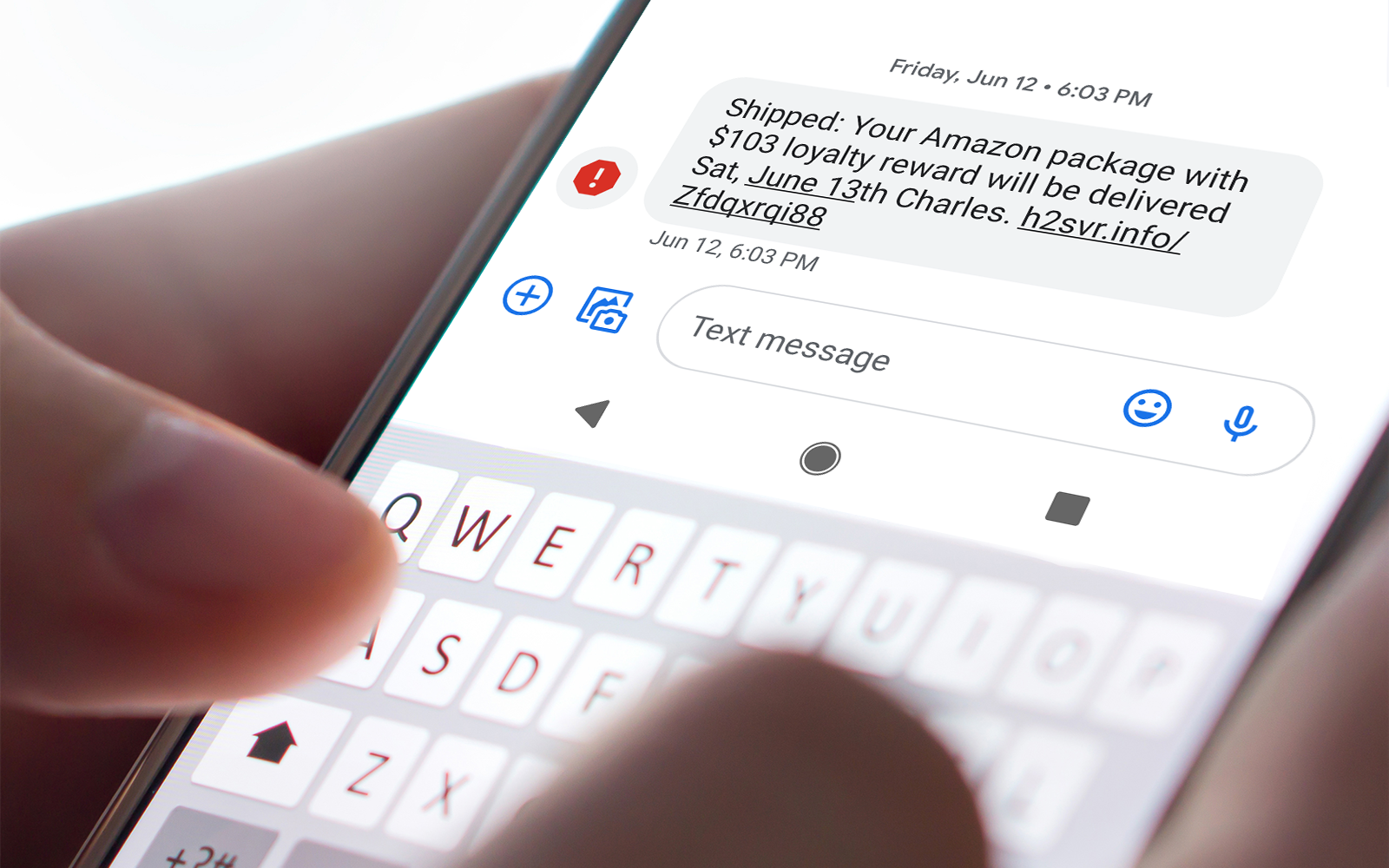
Smishing scams typically begin with a text message sent to the victim’s mobile device. The message may appear to be from a legitimate source, such as a well-known company or a financial institution. It often contains urgent or alarming content, designed to elicit a quick response from the recipient. The message may ask the individual to provide personal information, such as account numbers, passwords, or social security numbers, under the pretense of verifying an account or resolving an issue.
Smishing scammers employ a variety of tactics to trick their targets. They may use techniques such as caller ID spoofing to make the text message appear to come from a trusted source. Additionally, they often create a sense of urgency or fear to prompt immediate action, making it more likely for the victim to overlook warning signs. Scammers may also use social engineering techniques, such as impersonating authority figures or creating a sense of familiarity, to gain the victim’s trust and increase the chances of a successful scam.
There are several types of smishing scams that individuals should be aware of. One common example is a text message claiming that the recipient has won a prize or a gift card, but to claim it, they need to provide personal information. Another example involves messages that appear to be from a bank, notifying the individual of suspicious account activity and prompting them to click on a link to resolve the issue. These links often lead to fraudulent websites that capture sensitive information. By familiarizing themselves with these common smishing scam tactics, individuals can be better prepared to identify and protect themselves against potential threats.
By gaining a deeper understanding of how smishing scams operate and the tactics used by scammers, individuals can become more vigilant and cautious when it comes to text messages they receive. The next section will focus on identifying smishing scams and the red flags to watch out for.
Identifying Smishing Scams
Unexpected or suspicious text messages
Be wary of unsolicited text messages that you weren’t expecting or those that come from unfamiliar or suspicious numbers. Pay attention to the content of the message and question its authenticity if it seems unusual or out of the ordinary. Scammers often use attention-grabbing tactics to entice recipients into taking immediate action.
Urgency and pressure tactics
Smishing scams often employ tactics that create a sense of urgency or fear to prompt a quick response. Scammers may use phrases like “your account has been compromised” or “your immediate action is required” to pressure victims into providing personal information or clicking on malicious links. Remember that legitimate organizations typically do not use such tactics in their communications.
Requests for personal or financial information
Exercise caution when receiving text messages that ask for sensitive information, such as account numbers, passwords, or social security numbers. Legitimate organizations usually do not request such information through text messages. If you receive such a request, it is advisable to independently verify the authenticity of the message through a trusted source, such as contacting the organization directly.
Protecting Against Smishing Scams
Taking proactive measures to protect yourself against smishing scams is vital in safeguarding your personal information and avoiding financial losses. This section will outline effective strategies and best practices for protecting yourself against smishing scams.
- Enable two-factor authentication (2FA): Utilize two-factor authentication whenever possible, especially for accounts that may contain sensitive information. 2FA adds an extra layer of security by requiring a second form of verification, such as a unique code sent to your mobile device, in addition to your password. This helps prevent unauthorized access to your accounts, even if scammers manage to obtain your login credentials through smishing attempts.
- Be cautious of sharing personal information via text: Exercise caution when sharing personal or financial information through text messages, especially if you did not initiate the conversation or the request seems suspicious. Legitimate organizations typically have secure channels for collecting sensitive information and will not ask you to provide it via text message.
- Regularly update and secure your mobile device: Keep your mobile device’s operating system, apps, and security software up to date. Regular updates often include patches for vulnerabilities that scammers may exploit. Additionally, install reputable mobile security apps that can detect and block potential smishing attempts, providing an extra layer of protection.
- Educating yourself and others: Stay informed about the latest smishing scams and share this knowledge with friends, family, and colleagues. By raising awareness and providing guidance, you can help others recognize and avoid falling victim to smishing scams. Encourage them to adopt best practices, such as being skeptical of suspicious text messages and verifying the legitimacy of requests before taking any action.
Reporting and Taking Action Against Smishing Scams
Reporting smishing scams is essential not only for your own protection but also for the collective effort in combating these fraudulent activities. By promptly reporting smishing incidents, you contribute to the identification and prevention of smishing scams, helping protect others from falling victim to the same fraudulent tactics.
When you receive a smishing text message, it’s crucial to report it to your mobile carrier. Most carriers have dedicated channels or online forms where you can report phishing or smishing attempts. By notifying your carrier, you provide valuable information that can aid in tracking down the scammers and shutting down their operations.
Additionally, it’s important to forward smishing messages to the appropriate authorities. You can report smishing attempts to organizations like the Federal Trade Commission (FTC) in the United States or the national cybercrime reporting agencies in your respective country. These authorities have the expertise and resources to investigate and take legal action against smishing scammers.
Alongside reporting, it’s essential to take immediate action to protect yourself and mitigate the risks associated with smishing scams. If you have unwittingly shared sensitive information or clicked on suspicious links, take steps to secure your accounts. Change passwords, enable two-factor authentication, and monitor your financial accounts for any unauthorized activity.
By actively reporting smishing scams and taking appropriate actions, you not only protect yourself but also contribute to the broader fight against cybercrime. Together, we can create a safer digital environment and prevent scammers from exploiting unsuspecting individuals through smishing tactics.
Recognizing and Avoiding Smishing Scams
To protect yourself from smishing scams, it is crucial to recognize the signs of these deceptive messages and take necessary precautions. By staying vigilant and following these guidelines, you can reduce the risk of falling victim to smishing attacks.
Firstly, be skeptical of unsolicited text messages, especially those requesting personal or financial information. Legitimate organizations typically do not reach out to individuals via text message to ask for sensitive data. If you receive a text message asking for such information, consider it a potential smishing attempt and refrain from responding or providing any personal details.
Secondly, pay attention to the language and tone of the message. Smishing messages often use urgent language, alarming threats, or promises of rewards to elicit immediate action. Scammers aim to create a sense of urgency or excitement to manipulate recipients into divulging their personal information. If a message seems too good to be true or creates a sense of urgency, exercise caution and verify the information through a trusted source.
Another important step is to verify the sender’s identity before taking any action. Do not rely solely on the displayed phone number or name, as scammers can easily manipulate these details to appear legitimate. If you receive a suspicious message claiming to be from a known organization or individual, independently verify their contact information through official channels such as their website or official customer support line.
Furthermore, avoid clicking on links or downloading attachments in text messages from unknown or untrusted sources. These links could lead to phishing websites designed to steal your personal information or initiate the download of malware onto your mobile device. Exercise caution and only click on links from trusted sources, even if they are received through text messages.
By being vigilant and adopting these practices, you can minimize the risk of falling victim to smishing scams. Remember to trust your instincts and err on the side of caution when it comes to sharing personal information or taking action based on a text message. Stay informed, stay skeptical, and stay protected against smishing attacks.