 Multiple Faces Detected


 August 18th, 2025
Online scammers have turned deceive and deception into an art form. They don’t just steal money. They steal trust, hope, and peace of mind.
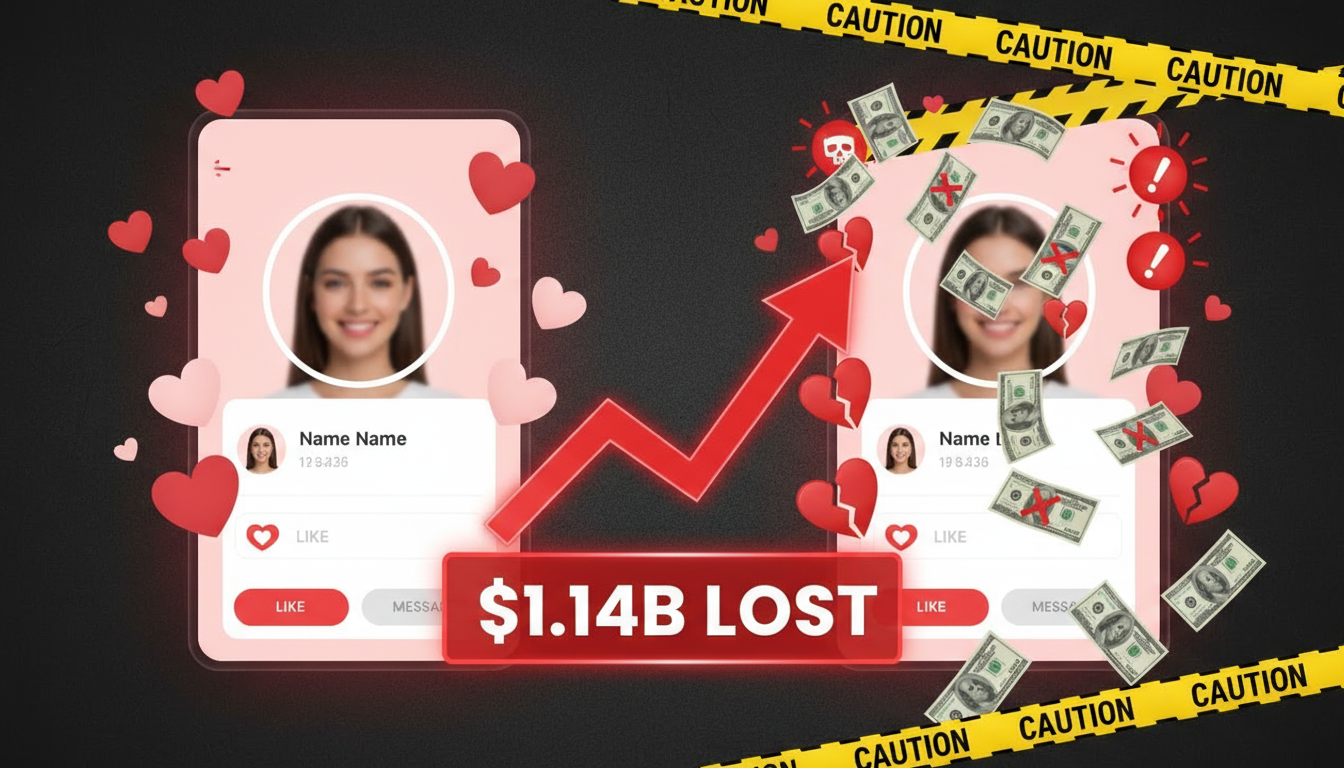
Every day, millions of people fall victim to elaborate schemes designed to exploit human psychology. The numbers are staggering. Americans lost over $12.5 billion to fraud in 2024, according to the Federal Trade Commission. Romance scams alone cost victims $1.45 billion.
But here’s the thing. These aren’t random attacks. Scammers use specific psychological tactics to deceive their targets. Understanding how deceive and deception work can help you spot the warning signs before it’s too late.
The Psychology Behind Deception and Being Deceived

Scammers are master manipulators. They understand human nature better than most psychologists.
Fear drives people to make bad decisions. Scammers know this. They create urgent situations that bypass logical thinking. “Your account will be closed in 24 hours.” “Your loved one is in danger.” These tactics trigger our primitive brain responses.
Hope is equally powerful. Promise someone easy money or true love, and they might ignore obvious red flags. The psychology behind scams shows that scammers exploit cognitive biases we all have.
Authority bias makes us trust people who seem official. Scammers impersonate banks, government agencies, and law enforcement. They wear the mask of legitimacy to gain instant credibility.
Social proof tricks us into following the crowd. Fake testimonials and success stories create the illusion that “everyone else is doing it.” This makes victims feel safe about participating in fraudulent schemes.
The scarcity principle creates artificial urgency. “Limited time offer.” “Only three spots left.” These phrases push people to act without thinking. Social Catfish sees these tactics used across all types of online scams.
How Scammers Build Trust Through Deception
Trust doesn’t happen overnight. But scammers have perfected the process.
They start small. A friendly message. A compliment. Maybe they share something personal about themselves. This creates a false sense of intimacy.
Romance scammers are particularly skilled at this. They study their targets’ social media profiles. They learn about interests, family members, and personal struggles. Then they craft the perfect persona to match what their victim wants.
Military romance scams are common. Scammers claim to be deployed overseas. This explains why they can’t meet in person or video chat. It also creates sympathy and patriotic feelings that cloud judgment.
The art of deception involves creating elaborate backstories. Fake photos. Stolen identities. Detailed lies about careers and life circumstances.
Cryptocurrency scams have exploded in recent years. Scammers promise exclusive investment opportunities. They show fake trading results. They create urgency by claiming the opportunity won’t last long. Uncovering cryptocurrency deception requires understanding these common tactics.
The Emotional Manipulation Playbook
Emotions override logic. Scammers know this fundamental truth about human psychology.
They create emotional highs and lows. Love bombing in romance scams. Panic in emergency scams. Excitement in investment fraud. These intense emotions make it harder to think clearly.
Isolation is another key tactic. Scammers encourage secrecy. “Don’t tell anyone about our relationship.” “This investment opportunity is confidential.” This prevents victims from getting an outside perspective that might expose the scam.
The fraud triangle explains why people become vulnerable. Pressure, opportunity, and rationalization combine to create the perfect storm for deception.
Scammers also use reciprocity. They do small favors or give gifts. This creates a psychological obligation to return the kindness. Even a simple compliment can make someone more likely to comply with later requests.
Time pressure is constant. “Act now or lose this opportunity forever.” This prevents victims from researching or consulting others. It forces quick decisions that benefit the scammer.
Red Flags That Reveal Deception
Certain patterns appear in almost every scam. Learning to recognize them can save you from being deceived.
They avoid video calls. There’s always an excuse. Bad internet connection. Broken camera. Security restrictions. Real people don’t consistently avoid face-to-face interaction.
They ask for money. This is the biggest red flag. Legitimate romantic interests don’t need financial help from strangers. Business opportunities that require upfront payments are usually scams.
Their stories don’t add up. Details change over time. Photos look too professional. Background information seems rehearsed. Catfish finder tools can help verify someone’s identity.
They push for quick decisions. Real opportunities allow time for consideration. Scammers create artificial urgency to prevent careful analysis.
Grammar and language patterns seem off. Many scams originate from other countries. Poor English or unusual phrasing can be warning signs.
They want to move communication off the original platform. Dating apps have safety features. Scammers prefer unmonitored channels like WhatsApp or Telegram.
The Technology Behind Modern Deception
AI has revolutionized online deception. Deepfake technology creates convincing fake videos. AI-generated photos produce realistic but non-existent people.
Chatbots can maintain conversations for hours. They learn from interactions and become more convincing over time. This makes it harder to distinguish between human and artificial communication.
Data scraping allows scammers to gather detailed information about targets. Social media profiles provide a wealth of personal details. This information helps create more convincing deceptions.
Voice cloning technology can replicate someone’s speech patterns. Family emergency scams now use fake audio of loved ones in distress. The technology is becoming so advanced that even close family members can be fooled.
Protecting Yourself from Deception
Knowledge is your best defense against deception and being deceived.
Verify identities independently. Use reverse image searches on photos. Check social media profiles for consistency. Look for mutual connections or friends.
Never send money to someone you haven’t met in person. This rule has no exceptions. Legitimate people don’t need financial help from online strangers.
Take time with important decisions. Sleep on it. Discuss it with trusted friends or family. Scammers hate delays because they give victims time to think clearly.
Use official channels for verification. If someone claims to represent a company or agency, contact that organization directly using official phone numbers or websites.
Trust your instincts. If something feels wrong, it probably is. Your subconscious often picks up on deception before your conscious mind does.
Search specialists can help investigate suspicious online relationships. Professional verification services provide peace of mind when dealing with online connections.
The Real Cost of Online Deception
The financial losses grab headlines. But the emotional damage runs deeper.
Victims often experience shame and embarrassment. They blame themselves for being “stupid enough” to fall for a scam. This self-blame prevents many from reporting crimes or seeking help.
Trust issues develop after being deceived. Victims become suspicious of legitimate relationships and opportunities. This isolation can lead to depression and anxiety.
The emotional impact of online scams includes PTSD-like symptoms. Sleep problems. Difficulty concentrating. Loss of appetite. These effects can last for years.
Families suffer too. Relationships strain when loved ones lose money to scams. Children may lose college funds. Retirement savings disappear overnight.
The ripple effects extend beyond individual victims. Communities lose trust in online platforms. Legitimate businesses face increased skepticism. The entire digital economy suffers when deception becomes commonplace.
Fighting Back Against Deception

Education is the most powerful weapon against online deception.
Share your knowledge with others. Warn friends and family about common scam tactics. The more people understand how deception works, the less effective it becomes.
Report suspicious activity to authorities. The FBI’s Internet Crime Complaint Center tracks online fraud. Local law enforcement needs to know about scams in your area.
Support organizations that fight online deception. Unmasking online deceit requires coordinated efforts from law enforcement, technology companies, and advocacy groups.
Be cautious about sharing personal information online. Every detail you post can be used against you by scammers. Privacy settings matter.
Stay informed about new scam tactics. Criminals constantly evolve their methods. What worked to protect you last year might not be enough today.
Building a Deception-Resistant Mindset
Critical thinking is your best defense against being deceived.
Question everything. Why is this person contacting me? What do they want? How did they get my information? Healthy skepticism protects you from manipulation.
Verify claims independently. Don’t rely on information provided by the person making claims. Use multiple sources to confirm facts.
Understand your own vulnerabilities. Are you lonely? Financially stressed? Going through a difficult time? Scammers target people during vulnerable periods.
Create decision-making rules. Never send money to online strangers. Always verify identities before sharing personal information. Take 24 hours before making important financial decisions.
Build a support network. Have trusted friends or family members you can consult about suspicious situations. Outside perspective often reveals deception that victims can’t see.
Moving Forward in a World of Digital Deception
Online deception isn’t going away. If anything, it’s becoming more sophisticated and harder to detect.
But you don’t have to be a victim. Understanding how deceive and deception tactics work gives you power. Knowledge transforms you from potential prey into an informed consumer of digital content.
The key is balance. Don’t become so paranoid that you miss legitimate opportunities. But don’t be so trusting that you ignore obvious warning signs.
Technology can help. Use verification tools. Enable security features on social media accounts. Keep software updated to protect against the latest threats.
Remember that being deceived doesn’t make you stupid. It makes you human. Scammers are professionals who study psychology and human behavior. They know exactly which buttons to push.
The best defense against deception and being deceived is a combination of knowledge, caution, and community support. Stay informed. Stay connected. And stay safe in our increasingly digital world.