
 Multiple Faces Detected


 March 21st, 2023
In today’s increasingly digital world, verifying online identities has become an essential part of many businesses and organizations’ operations. However, with the rise of online fraud and identity theft, it’s important to be vigilant and know the red flags to watch out for when verifying identities online. In this blog post, we’ll discuss some of the common warning signs that can help you identify potential scams and protect yourself and your organization from online fraud.
What Three Methods are Used to Verify Identity?
There are several methods that can be used to verify an individual’s identity, but here are three common methods:
- Knowledge-based authentication: This method verifies identity by asking questions that only the individual would know the answer to, such as personal information or previous addresses.
- Possession-based authentication: This method verifies identity by requiring possession of a physical item, such as a driver’s license, passport, or smart card.
- Biometric authentication: This method verifies identity by analyzing unique physical or behavioral characteristics, such as fingerprints, facial recognition, or voice recognition.
Unusual Request for Information: Red Flags in Knowledge-Based Authentication
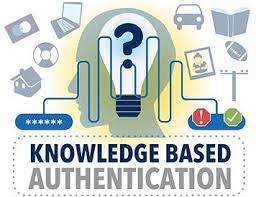
Knowledge-based authentication (KBA) is a common method used to verify an individual’s identity online. This process involves asking the individual a series of questions that only they would know the answer to, based on their personal information. However, if you’re asked unusual questions or are asked for information that seems out of place, it could be a red flag that something is not right.
One red flag to watch out for is if you’re asked for sensitive information that is not normally requested during an identity verification process. For example, if you’re asked for your social security number or other sensitive financial information, it’s important to be cautious. Legitimate identity verification processes typically do not require this level of sensitive information.
Another red flag to watch out for is if you’re asked for information that is publicly available or easily searchable. For example, if you’re asked for your home address or phone number, which can be easily found through a quick Google search, it may not be a legitimate KBA process.
In addition, if you’re asked for information that is irrelevant or seemingly unrelated to your identity, it could be a red flag. For example, if you’re asked about your favorite color or food, it’s unlikely that this information is relevant to your identity verification.
Another warning sign to watch out for is if you’re asked for personal information that you’ve never provided before. Legitimate identity verification processes typically use information that you’ve previously provided to verify your identity. If you’re asked for new or unfamiliar information, it’s important to be cautious.
If you’re asked for a large amount of personal information during the verification process, it’s important to be cautious. Legitimate KBA processes typically only ask for a few pieces of personal information to verify your identity. If you’re being asked for a large amount of information, it could be a sign that the process is not legitimate.
Suspicious Physical Documents: Red Flags in Possession-Based Authentication
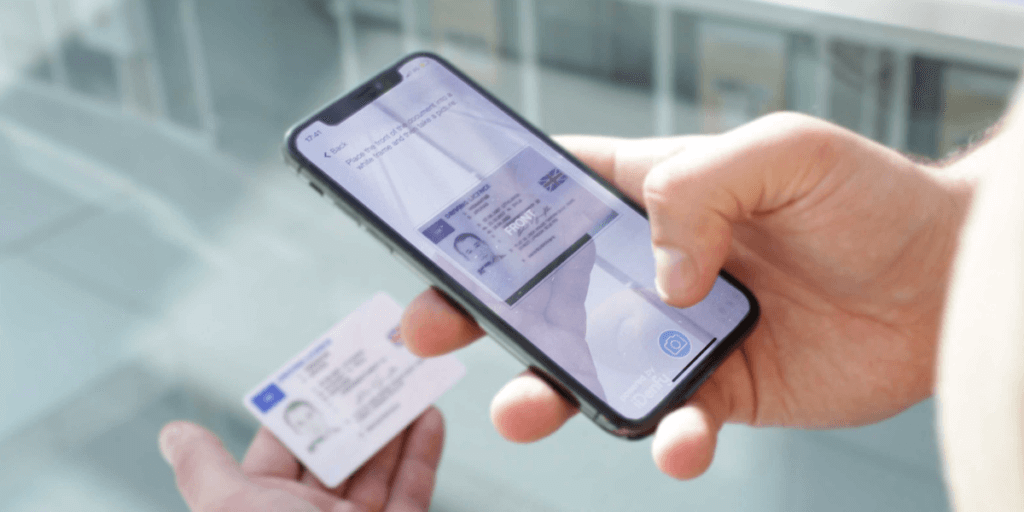
Possession-based authentication (PBA) involves verifying an individual’s identity through a physical object, such as a driver’s license or passport. However, if you’re presented with suspicious or unusual physical documents during the verification process, it could be a red flag that something is not right.
A red flag to watch out for is if the physical documents look counterfeit or are of poor quality. If the documents are blurry, faded, or have irregularities in their design, it’s important to be cautious. Counterfeit documents are a common tool used by fraudsters to deceive organizations and businesses.
Another red flag to watch out for is if the documents are expired or invalid. Valid identification documents should be up-to-date and not have expired. If the documents presented to you are expired or invalid, it could be a sign that they are not legitimate.
Furthermore, if the information on the physical documents does not match the information provided by the individual, it could be a red flag. For example, if the name or date of birth on the document is different from what the individual provided, it could be a sign that the documents are not legitimate.
Moreover, a warning sign to watch out for is if the individual presents multiple identification documents that have different information on them. This could be a sign that the documents are fake or that the individual is attempting to deceive you.
Additionally, if the physical documents are damaged or altered in any way, it could be a red flag. For example, if the photo on the document is scratched or blurred, it could be a sign that it has been tampered with.
If the individual is reluctant to provide physical documents or becomes defensive when asked to do so, it could be a warning sign. Legitimate individuals should have no problem presenting valid identification documents to verify their identity.
Mismatched Biometric Data: Red Flags in Biometric Authentication

Biometric authentication is a method of identity verification that uses unique physical or behavioral characteristics, such as fingerprints or facial recognition. However, if the biometric data presented during the verification process does not match the data on file, it could be a red flag that something is not right.
If the individual presents biometric data that does not match their physical appearance, it’s a red flag. For example, if an individual’s fingerprint does not match the fingerprint on file, it could be a sign that they are attempting to deceive the authentication process.
A glaring warning sign to watch out for is if the individual’s biometric data changes over time. For example, if an individual presents different facial features or vocal patterns than what is on file, it could be a sign that they are attempting to deceive the authentication process.
Also, if the individual presents biometric data that is inconsistent with their behavior, it could be a red flag. For example, if an individual’s typing speed or rhythm does not match their usual behavior, it could be a sign that they are not who they claim to be.
Another red flag to watch out for is if the individual presents biometric data that is of poor quality or resolution. If the data is blurry, distorted, or incomplete, it may be difficult to accurately verify the individual’s identity.
If the biometric data is inconsistent across different verification methods, it could be a warning sign. For example, if an individual’s fingerprint data does not match their facial recognition data, it could be a sign that they are attempting to deceive the authentication process.
If the individual is unable to present biometric data during the verification process, it could be a red flag. Legitimate individuals should be able to present their biometric data to verify their identity. If they are unable to do so, it could be a sign that they are not who they claim to be.
Inconsistent or Incomplete Information: Red Flags in Identity Documentation
Identity documentation plays a crucial role in the verification of an individual’s identity. However, if the information presented on the documentation is inconsistent or incomplete, it could be a red flag that the documents are not legitimate.
One red flag to watch out for is if the individual presents incomplete information. For example, if a passport is missing a page or if a driver’s license is missing a photograph, it could be a sign that the documents are not legitimate. Legitimate identity documents should have all the necessary information and be complete.
Another warning sign to watch out for is if the information on the documents is inconsistent. For example, if the name on the passport is different from the name on the driver’s license, it could be a sign that the documents are not legitimate. Inconsistencies in the information presented can indicate that the documents are fake or have been tampered with.
In addition, if the documents appear to be altered in any way, it could be a red flag. For example, if the date of birth on a driver’s license has been changed or if the photograph on a passport has been tampered with, it could be a sign that the documents are not legitimate.
Another red flag to watch out for is if the individual presents multiple identity documents that contain different information. This could indicate that the individual is attempting to deceive you or that the documents are fake.
Additionally, if the individual is unable to provide additional information to support the documents, it could be a warning sign. For example, if an individual cannot provide a social security number to match the name on their driver’s license, it could be a sign that the documents are not legitimate.
If the individual is hesitant to provide additional information or becomes defensive when asked to do so, it could be a red flag. Legitimate individuals should have no problem providing additional information to verify their identity.
Unusual Activity or Behavior: Red Flags in Overall Identity Verification

Identity verification is a crucial step in protecting individuals and organizations from fraud and identity theft. However, if an individual’s behavior or activity raises red flags during the verification process, it could indicate that they are not who they claim to be.
A red flag to watch out for is if an individual’s behavior is unusual or erratic. For example, if the individual appears nervous or hesitant during the verification process, it could be a sign that they are attempting to deceive you. Additionally, if the individual provides too much information or seems to be overcompensating for something, it could be a red flag.
The warning sign to watch out for is if the individual’s activity is suspicious. For example, if the individual is attempting to access sensitive information outside of normal business hours, it could be a sign that they are not authorized to do so. Additionally, if the individual is attempting to access information from an unusual location or device, it could be a red flag.
Also, if the individual provides inconsistent information or changes their story, it could be a warning sign. For example, if the individual provides a different date of birth during a follow-up verification call, it could be a sign that they are attempting to deceive you.
Another red flag to watch out for is if the individual has a history of suspicious activity or fraud. If the individual has a record of identity theft or other fraudulent activity, it could be a sign that they are attempting to deceive you.
Moreover, if the individual is unable to provide any additional information to support their identity, it could be a warning sign. Legitimate individuals should be able to provide additional information to verify their identity if necessary.
Finally, if the individual becomes defensive or agitated when questioned, it could be a red flag. Legitimate individuals should be willing to cooperate and provide additional information if necessary.
Unusual activity or behavior during the identity verification process can be a red flag that the individual is not who they claim to be. It’s important to be vigilant and verify the individual’s identity if any red flags are raised. By being aware of these warning signs, you can help protect yourself and your organization from identity theft and online fraud.
Social Catfish Online Identity Verification
Social Catfish is an online tool that can be used to verify an individual’s identity. It works by searching public records, social media profiles, and other online sources to gather information about the individual.
To use Social Catfish, you simply enter the individual’s name, email address, phone number, or username into the search bar. The tool will then scan the internet to find any information associated with that person.
One of the benefits of using Social Catfish for online identity verification is that it can help you identify fake profiles or accounts. If the tool is unable to find any information associated with the individual, it could be a sign that they are not who they claim to be. Additionally, if the information found by the tool does not match up with the information provided by the individual, it could be a red flag.
Another benefit of using Social Catfish is that it can help you identify any criminal history associated with the individual. The tool searches public records to find any criminal history, including arrests, convictions, and sex offender registry information. This can be useful for organizations that require employees or volunteers to undergo a background check.
Additionally, Social Catfish can be used to verify an individual’s employment or education history. The tool can search public records and online sources to find information about the individual’s work experience and education, which can be useful for employers or educational institutions.
However, it’s important to note that Social Catfish is not a foolproof method for online identity verification. The tool relies on publicly available information, so if the individual has taken steps to keep their information private, the tool may not be able to find anything. Additionally, the tool may not be able to identify sophisticated fake profiles or accounts.
In summary, Social Catfish can be a useful tool for online identity verification. It can help you identify fake profiles or accounts, criminal history, and employment or education history. However, it’s important to use the tool in conjunction with other verification methods to ensure the individual’s identity is legitimate.