

 Multiple Faces Detected


 August 19th, 2025
What is gaslighting? It’s a question more people are asking as awareness grows about this harmful form of psychological manipulation. The meaning of gaslighting goes deeper than simple disagreements or misunderstandings. It’s a deliberate pattern of behavior designed to make you question your own reality.
This manipulation tactic can destroy relationships, damage mental health, and leave lasting scars. But recognizing the signs early can help you protect yourself and others from its devastating effects.
Understanding What Gaslighting Really Means
Gaslighting is a form of psychological abuse where someone systematically feeds you false information to make you doubt your own memories, perceptions, and sanity. The term comes from the 1944 film “Gaslight,” where a husband manipulates his wife into believing she’s losing her mind.
Unlike occasional lies or disagreements, gaslighting follows a specific pattern. The manipulator deliberately distorts reality to gain power and control over their victim. They make you question everything you know to be true about yourself and your experiences.
This isn’t about different perspectives on events. It’s about one person systematically undermining another’s grip on reality. The goal? Complete psychological control.
Where Gaslighting Happens
In Romantic Relationships
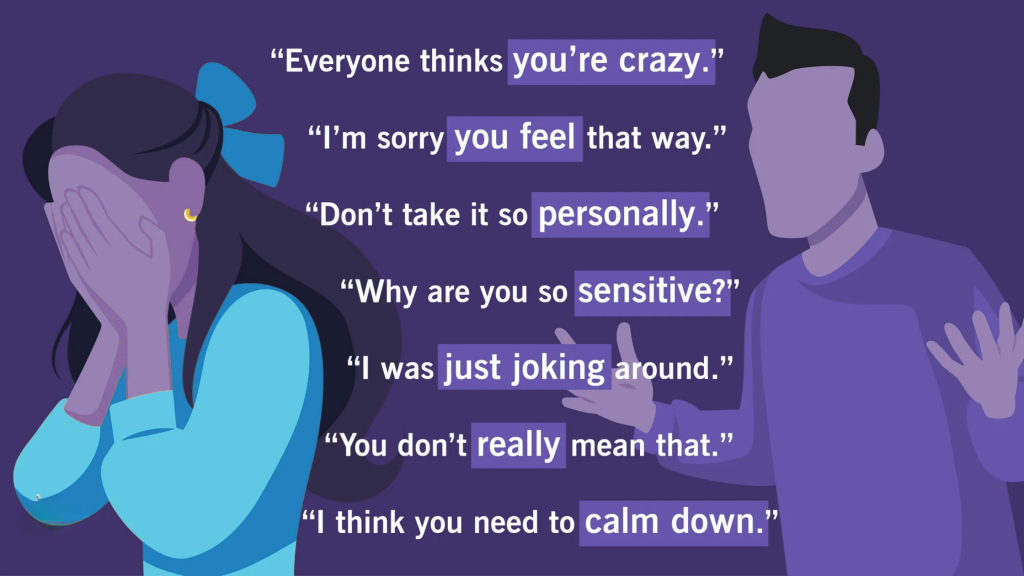
Romance scammers and abusive partners often use gaslighting as their primary weapon. They might tell you that your emotions are invalid or that you’re “too sensitive” when you express concerns about their behavior.
The manipulation often starts small. Maybe they deny saying something hurtful. Or they claim you’re remembering a conversation wrong. Over time, these incidents escalate until you’re constantly second-guessing yourself.
At Work
Workplace gaslighting can be just as damaging. A supervisor might deny giving you specific instructions, then blame you when the project fails. Colleagues might spread rumors about your competence while acting supportive to your face.
This type of manipulation can destroy careers and mental health. It’s particularly harmful because you can’t easily escape a toxic work environment.
In Families
Family gaslighting often involves parents denying a child’s experiences or emotions. They might insist that traumatic events “never happened” or weren’t as bad as the child remembers. This creates lasting damage to the child’s ability to trust their own perceptions.
The Psychology Behind Gaslighting
Understanding the psychology of catfishing and other manipulative behaviors helps explain why people gaslight others. Some do it for power and control. Others learned these behaviors in childhood and don’t realize the harm they cause.
Many gaslighters have narcissistic tendencies. They need to be right all the time and can’t handle being challenged. When confronted with their mistakes, they deflect blame onto others rather than taking responsibility.
But not all gaslighting is intentional. Some people use these tactics as defense mechanisms without understanding the damage they cause. Regardless of intent, the impact on victims remains devastating.
Warning Signs You’re Being Gaslit
Recognizing gaslighting can be difficult because it’s designed to make you doubt yourself. But certain patterns emerge that can help you identify this manipulation:
They Constantly Lie
Gaslighters tell outright lies even when you have proof they’re wrong. They might deny sending a text message that you can see on your phone. Or claim they never said something you clearly remember.
These aren’t simple mistakes. They’re deliberate attempts to make you question your memory and perception.
Use a Search Specialist
Social Catfish’s search specialists can help when someone online is lying to you. They check if people are real. They use reverse image searches and background checks. These experts find fake online profiles. They can prove when someone’s story doesn’t add up. This gives you facts. Facts help you trust yourself and stay safe.
Your Feelings Don’t Matter
When you express hurt or concern, they dismiss your emotions as “overreacting” or being “too sensitive.” They make you feel guilty for having normal emotional responses to their harmful behavior.
They Rewrite History
Gaslighters excel at changing the narrative. They’ll insist events happened differently than you remember. They might add details that never occurred or completely deny things that did happen.
You’re Always Apologizing
If you find yourself constantly saying sorry for things that aren’t your fault, you might be experiencing gaslighting. Victims often apologize for their thoughts, feelings, and reactions because they’ve been conditioned to believe they’re always wrong.
Isolation Tactics
Gaslighters often try to separate you from friends and family who might recognize the abuse. They’ll claim your loved ones are “against them” or don’t understand your relationship.
The Devastating Impact on Mental Health
Gaslighting doesn’t just hurt in the moment. It creates lasting damage to your mental health and well-being. Victims often experience:
- Anxiety and depression
- Loss of self-confidence
- Difficulty making decisions
- Problems trusting others
- Confusion about reality
- Feelings of worthlessness
The constant questioning of your own perceptions creates a state of chronic stress. Your brain becomes exhausted from trying to figure out what’s real and what isn’t.
Many victims develop mental health issues that persist long after the abusive relationship ends. The damage to your sense of self can take years to repair.
How Gaslighting Connects to Online Scams
Romance scammers frequently use gaslighting tactics to maintain control over their victims. They might deny previous conversations about money or claim you misunderstood their requests for financial help.
These scammers are experts at psychological manipulation in online communities. They know exactly how to make you doubt your instincts about their true intentions.
When victims start questioning the relationship, scammers often gaslight them by saying things like “I can’t believe you don’t trust me” or “You’re being paranoid.” This manipulation keeps victims sending money even when red flags are obvious.
Protecting Yourself from Gaslighting
Trust Your Instincts
Your gut feelings exist for a reason. If something feels wrong, don’t let anyone convince you otherwise. Your instincts are often the first line of defense against manipulation.
Document Everything
Keep records of conversations, especially when someone denies saying something. Screenshots, emails, and written notes can help you maintain your grip on reality when someone tries to rewrite history.
Seek Outside Perspective
Talk to trusted friends or family members about your experiences. They can provide objective viewpoints and help you see patterns you might miss. Sometimes, an outside perspective is exactly what you need to recognize gaslighting.
Set Firm Boundaries
Don’t let anyone dismiss your feelings or experiences. Practice saying things like “I know what I heard” or “My feelings are valid.” Setting boundaries early can prevent gaslighting from escalating.
Consider Professional Help
If you’re experiencing gaslighting, consider working with a therapist or counselor. Professional support can help you rebuild your confidence and develop healthy coping strategies.
When to Seek Help
Some situations require immediate professional intervention. If gaslighting is affecting your daily life, work performance, or mental health, don’t wait to get help.
Taking care of your mental health after a romance scam or other manipulative relationship is crucial for recovery. The sooner you address the damage, the faster you can heal.
Consider reaching out to domestic violence resources if the gaslighting is part of a broader pattern of abuse. The National Domestic Violence Hotline offers free, confidential support 24/7.
Building Resilience Against Manipulation

Recovery from gaslighting takes time, but it’s absolutely possible. Focus on rebuilding your relationship with yourself and your own perceptions.
Practice self-compassion. Remember that falling victim to gaslighting doesn’t make you weak or stupid. These manipulators are skilled at what they do, and anyone can become a target.
Surround yourself with supportive people who validate your experiences and feelings. Healthy relationships involve mutual respect and honest communication, not constant questioning of reality.
Moving Forward with Confidence
Understanding what gaslighting means and how to recognize it empowers you to protect yourself and others. This knowledge can prevent future manipulation and help you build healthier relationships.
Remember that healing is possible. With the right support and resources, you can rebuild your confidence and trust in your own perceptions. Don’t let anyone convince you that your reality isn’t valid.
If you’re currently experiencing gaslighting or suspect you might be, reach out for help. Whether through professional search specialists who can verify online relationships or mental health professionals who can provide emotional support, resources are available.
Your experiences matter. Your feelings are valid. And you deserve relationships built on honesty, respect, and genuine care. Don’t let anyone convince you otherwise.