
 Multiple Faces Detected


 May 7th, 2025
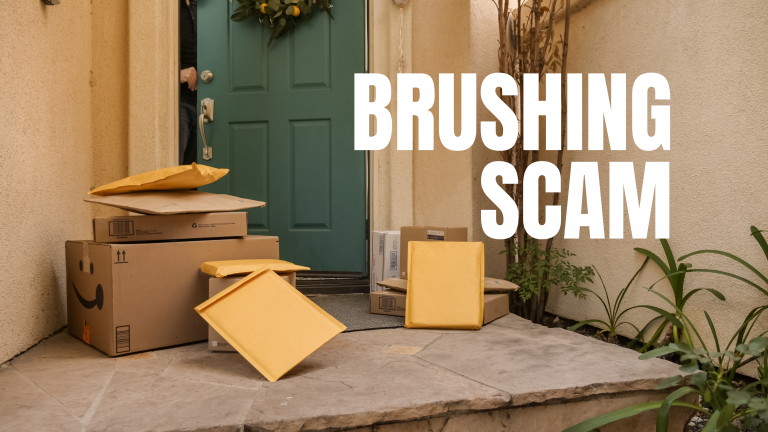
If a package you didn’t order ever shows up at your door, don’t assume it’s a harmless mistake or a gift; it could be part of a brushing scam.
Brushing scams are common on major e-commerce platforms like Amazon and AliExpress, where shady sellers send cheap, unsolicited items to random people just so they can leave fake “verified” reviews and boost their product rankings.
Brushing fraud often means your personal information has been exposed or misused. In fact, over one million households in the UK have been targeted by Amazon brushing scams.
Here’s how the scam works, what it means for your privacy, and what to do if it happens to you.
What Is a Brushing Scam?
Brushing scams are designed to fake sales and boost a seller’s ranking on e-commerce platforms.
A seller either pays someone to place a fake order or uses another person’s details, like your name and address, to do it. To make the transaction appear real, they ship a low-cost item or even an empty box.
Once the order is marked as delivered, the seller leaves a fake review to inflate their product’s ratings and visibility.
Some scammers even mimic genuine shopping behavior by clicking on competitor products before “buying” their own. This manipulates the platform’s algorithm, as click-to-buy patterns influence search rankings.
In some cases, brushing scams are linked to broader fraud networks, including money laundering tactics used by romance scammers, where stolen identities and shipping addresses are used to move goods and cover criminal activity.
How a Brushing Scam Plays Out?
A simple look at how scammers use your stolen info to make fake purchases and write fake reviews:
Step 1: Steal Data
Scammers gather your shipping details from sources like leaked databases, which expose personal information such as your name, address, and phone number. Third-party sellers may also collect and misuse customer data.
Even a single purchase from a lesser-known website can result in your information being sold or stolen. Scammers use this stolen data to send packages and post fake reviews without your consent.
Step 2: Create a Fake Buyer Account
Scammers create fake buyer profiles on sites like Amazon, eBay, or AliExpress using stolen names and details. These profiles help them place fake orders that seem like real purchases. They can then leave positive reviews, making the products look trustworthy.
The more they do this, the higher the product ratings get, even though there’s no real customer feedback.
Step 3: Place an Order Using Your Stolen Credentials
In this scam, the scammer uses your name and address to make a fake purchase. They pay for the product, but it looks like a real sale on the platform. Since the item is sent to your address, the purchase is marked as “verified,” making it seem like you bought it.
This helps the fraudster gain trust from other buyers who rely on the “verified purchase” tag, even though they didn’t pay for anything.
Step 4: The Product Gets Shipped
Once the product arrives, the scammer uses your details to write a fake review, making it look like you’re a satisfied customer. Because the order is “verified,” the review seems more credible, tricking others into thinking the product is good.
Step 5: Fake 5-Star Reviews
After the product is delivered, the scammer can use your details to post a fake review, making it seem like you’re a happy customer. Since the order is marked as “verified,” the review appears more trustworthy, giving the product a false reputation of being popular and reliable.
The Hidden Risks of Brushing Scams
Unwanted packages might seem harmless, but they can be a sign of serious privacy and security issues. Here are some risks you may face if you’re a victim of a brushing scam.
Personal Information Is at Risk
If you get a package you didn’t order, it means someone has your details, like your name, phone number, and address. It might not seem serious at first, but it shows your information is out there without your permission.
Once your information is used in a scam, it could be targeted again, this time for something bigger, like identity theft or financial fraud. That’s where a quick reverse lookup by Social Catfish can make all the difference.
Misleading Product Reviews
When scammers post fake reviews through brushing, they make a product look better than it really is. Since many people read reviews before buying, seeing lots of 5-star ratings makes the product seem safe and worth it. But often, these products are low quality, misleading, or even fake.
This not only wastes people’s money but also makes it harder to trust online shopping and spot what’s real.
Wire Transfer Scams
Brushing scams can sometimes expose your personal data to larger fraud networks. Once that information is out there, scammers may use it in other schemes, such as wire transfer scams.
These scams often involve tricking victims into sending money through services like Zelle or Western Union, making the funds difficult to trace or recover.
Malware Threats
Some surprise packages may include QR codes or tracking notices that mimic USPS-related scams. These notices may direct you to malicious sites that steal your data or install malware.
Gift Card Scams
Some brushing scam packages include QR codes or inserts claiming you’ve won a reward, like a gift card. These offers may seem tempting, but scanning the code or visiting the website often leads to malicious pages.
These tactics are part of broader gift card scams, in which scammers collect personal information, push you to make purchases, or trick you into giving away payment details.
Reported Cases of Brushing Scams
The following cases are the highlights of some brushing scams happening out there:
Singapore Couple Received Over 100 Unordered Parcels
Terrence Chong and his wife in Singapore received over 100 unwanted parcels in about two and a half months. Most came from sites like Shopee and Lazada and often had empty or wrongly labeled items.
After they reported it, Shopee found and banned the accounts behind it, and the deliveries stopped.
Australians Receiving Random Items in the Mail
In Australia, some people have received random items like anti-snore plugs and other cheap goods they didn’t order. This is part of a brushing scam, where sellers send things to real addresses so they can post fake reviews and look more trustworthy online.
The ACCC warns people to stay alert, use secure payment methods, and check sites like IDCARE for help.
What to Do If You Receive an Unsolicited Package?
If you receive a package you didn’t order:
- Notify the e-commerce platform (e.g., Amazon, Shopee) about the unsolicited delivery.
- Getting these packages might mean someone has your personal information. It’s a good idea to keep an eye on your accounts for any unusual activity.
- Try not to scan QR codes that some packages may contain. They often lead to malicious websites.
The Lore of Unexpected Package Deliveries
Brushing scams might seem harmless, but they’re a red flag for deeper privacy risks. If you receive unexpected packages, it could mean your personal information, such as your name, address, or even bank details, has been exposed.
In rare cases, brushing victims have been found to unknowingly become money mules, used to receive or forward goods purchased with stolen information.
Avoid clicking suspicious links or scanning QR codes; they might lead to phishing sites. Your data is valuable, and protecting it now can prevent bigger headaches later. If you suspect your information has been compromised, Social Catfish’s Search Specialist service can help you investigate.
This is what Pat Carr, one of our clients, has to say:
“Josh was excellent he found out everything I needed to know. Sadly to say my man was defiantly a cat fish. I would pay the money again if this ever happened to me again, I just hope it doesn’t.”