
 Multiple Faces Detected



 May 7th, 2025
Misinformation and fake news scams have become common online issues. Beyond misleading narratives, scammers and cybercriminals are now exploiting false or distorted information to manipulate, intimidate, or deceive individuals into taking harmful actions.
These scams rely on fear, urgency, or outrage to convince individuals to click links, provide personal data, or make financial decisions they later regret. This article breaks down how fake news scams work and how to protect yourself from becoming the next target.
What Is Misinformation, and How Is It Used in Scams?

Misinformation refers to false or misleading information, regardless of whether it was shared intentionally. It can range from a misquoted statistic to an entirely fabricated story.
The key factor is that it’s not accurate, and when it spreads, it can quickly influence what people believe or how they act.
Disinformation, by contrast, is misinformation shared with the intent to deceive. This includes deliberate lies, edited content, or false claims created to manipulate public opinion or provoke a response.
Scammers often use both to their advantage. They know that when information feels urgent, familiar, or emotionally charged, people are more likely to trust it. By doing so, scammers can build false trust, stir up panic, or guide victims into making quick decisions.
Some common examples of how misinformation is used in scams include:
- False health alerts: Fabricated warnings about outbreaks, contaminated products, or miracle cures designed to drive traffic to malicious sites or sell fake treatments.
- Fake celebrity endorsements: Scammers attach well-known names to investment opportunities or health products that have no real backing.
- Manipulated news about government programs: Fake headlines about new benefits, tax changes, or grants used to collect personal information or encourage fraudulent sign-ups.
Misinformation spreads quickly and often leads to real harm. Scammers use false stories as tools for fraud and identity theft, as outlined in our detailed guide on fake news scams.
Common Types of Fake News Scams
Misinformation doesn’t just confuse people; scammers often use it to trick others and commit fraud. Below are some of the most common ways fake news is used to fool people and steal their personal information.
Investment and Financial Scams
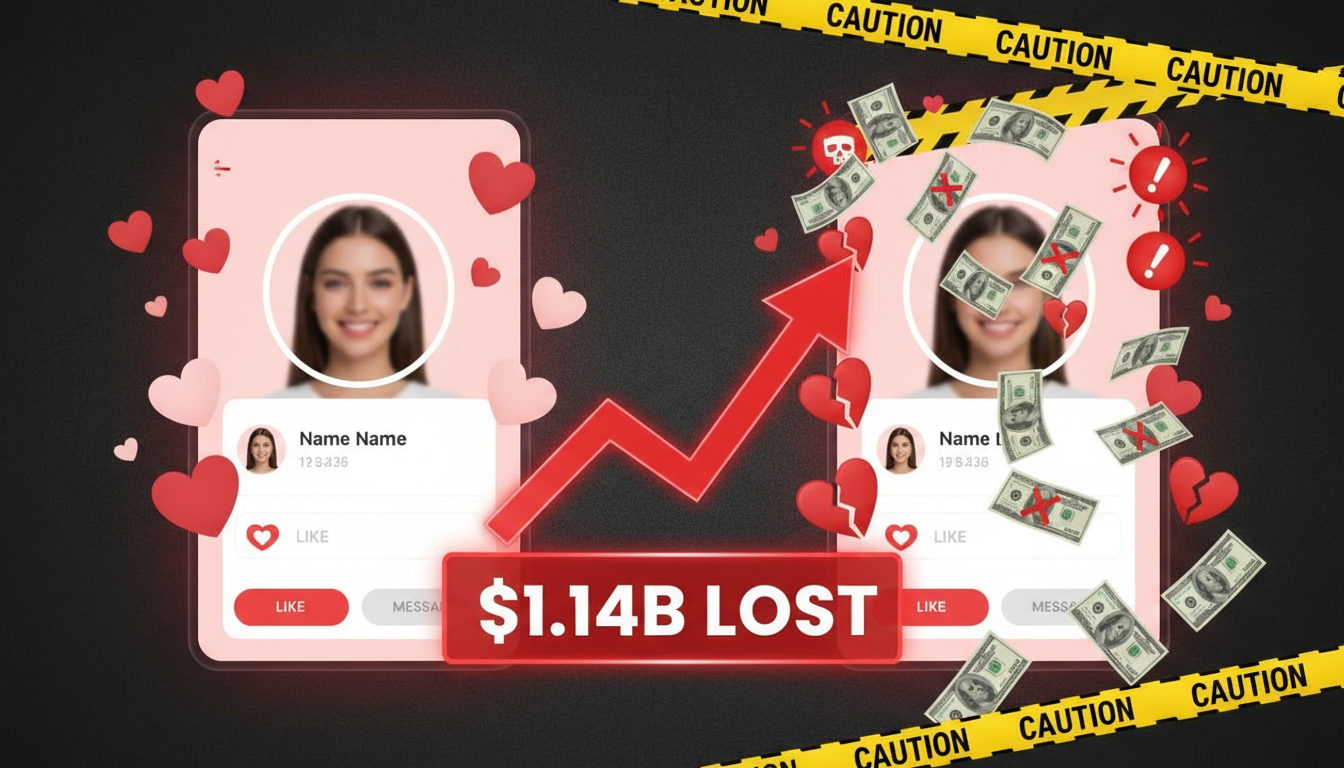
In 2023, investment scams were the most financially damaging type of fraud reported in the United States.
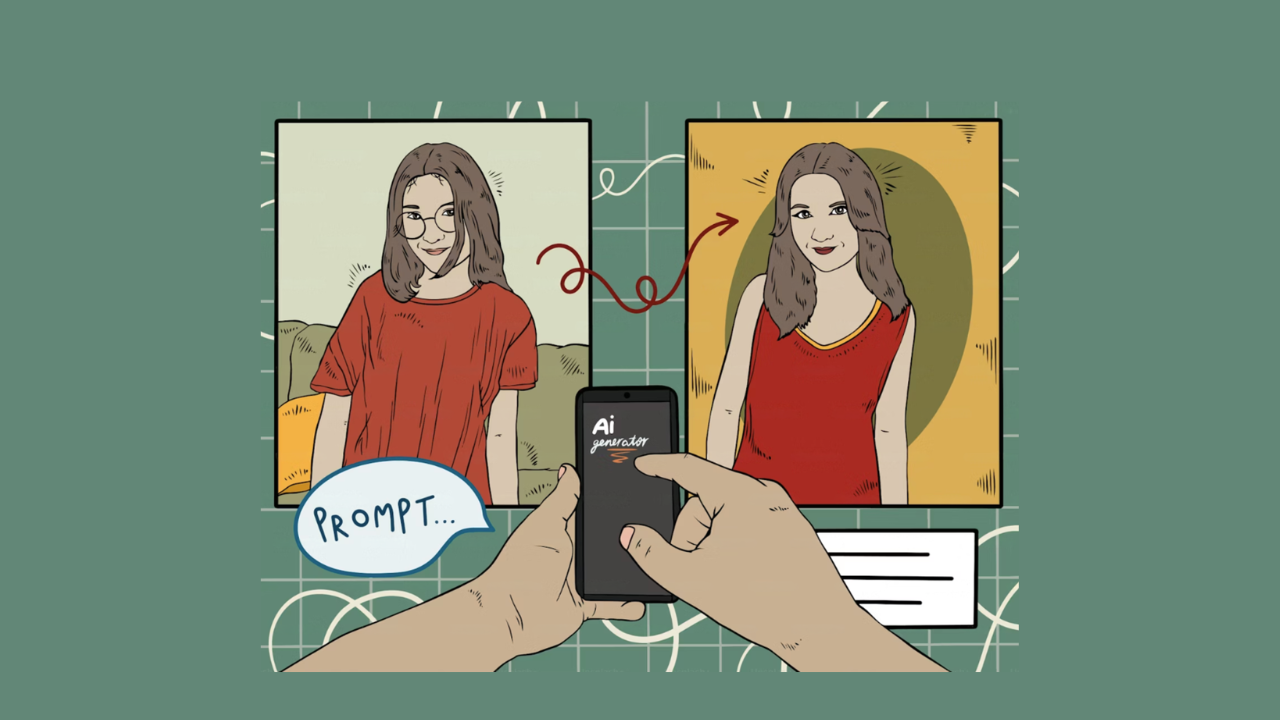
Scammers often use fake news stories to make investment scams look real. These stories may appear on websites that look professional, include fake interviews, or even feature deepfakes and AI-generated content.
These videos are hard to detect and make false claims much more convincing. In some cases, a quick reverse image search can reveal whether the visuals were stolen or edited from another source.
Fake Charity and Disaster RFake Charity and Disaster Relief Scams
Scammers often take advantage of people’s kindness during emotional times or crises. They create fake news, social media posts, or fundraising pages to ask for donations, money that never helps anyone in need.
These scams are especially common after natural disasters, sad news stories, or cases involving sick children or struggling families. Because people feel emotional, they often donate quickly without checking if the story is real.
One recent example in Australia shows how serious this can be. A couple made up a story about their 6-year-old son having cancer. They used this lie to raise about AUD 60,000 through a fake campaign, similar to many GoFundMe scams that exploit people’s generosity during emotional moments.
After the wildfires in Los Angeles, the Better Business Bureau also warned people about fake charities. Scammers were asking for donations by pretending to help victims of the disaster.
Phishing Through Fake News
Some fake news headlines are designed to push readers toward dangerous websites. These links may look like news, but they lead to pages that try to steal your login details or download harmful software onto your device. The goal is to make you act quickly without thinking.
Health and Wellness Misinformation
During the COVID-19 pandemic, false health information spread online. Studies showed that 66% of bots posting about COVID-19 were sharing misinformation, and almost half of U.S. adults came across fake news about the virus.
Some scammers even used AI-generated videos of doctors to promote dietary supplements, claiming they could treat type 2 diabetes. These scams often share fake safety tips or unproven treatments, mainly to sell products or make money by misleading people.
If you’re unsure whether an image or video is real, try running a facial recognition search to help verify if it’s been altered or taken from another source.
Political Manipulation and Identity Theft
Fake news is also used in political scams. Articles may be designed to push certain opinions, misrepresent facts, or collect personal data.
Some fake petitions or online surveys during elections, similar to known political petition scams, were found to be tools for gathering private information rather than supporting any real cause.
How to Recognize a Fake News Scams
Spotting fake news scams isn’t always easy, especially when the content is designed to look real. But there are simple habits that can help you stay one step ahead. Here’s what to watch for:
Check the Source Carefully
Is the story coming from a well-known, reliable news outlet? Or is it posted on a website you’ve never heard of? Fake news often comes from sites that copy the style of real media but have odd names or strange URLs.
If a suspicious post or account is tied to fake news, an Instagram photo lookup tool can help verify whether the profile behind it is authentic or part of a coordinated scam.
Look Beyond the Headline
Scam stories often use emotional or dramatic headlines to grab attention, but the content underneath may be shallow, vague, or completely unrelated. If a headline sounds too shocking or sensational, it’s worth being skeptical.
Watch for Poor Writing or Visual Errors
Misspelled words, grammatical mistakes, or blurry images can be signs that something’s not right. Professional news outlets have editors. Scam pages usually don’t.
Cross-Check With Trusted Sources
If a story seems surprising or important, try to find the same news on a reliable site like a major news network or official organization. If no one else is reporting it, it may not be true.
Be Wary of Urgent Requests or Calls to Action
If a post tells you to “Act now,” “Click immediately,” or “Share this before it’s taken down,” be cautious. Scammers use urgency to stop people from thinking things through.
Use Fact-Checking Tools
Always question what you see to protect yourself and others from falling for fake news scams. Tools like Social Catfish’s reverse lookup can be helpful when a news story or account asks for money, personal details, or trust.
Why Fake News Scams Are So Effective
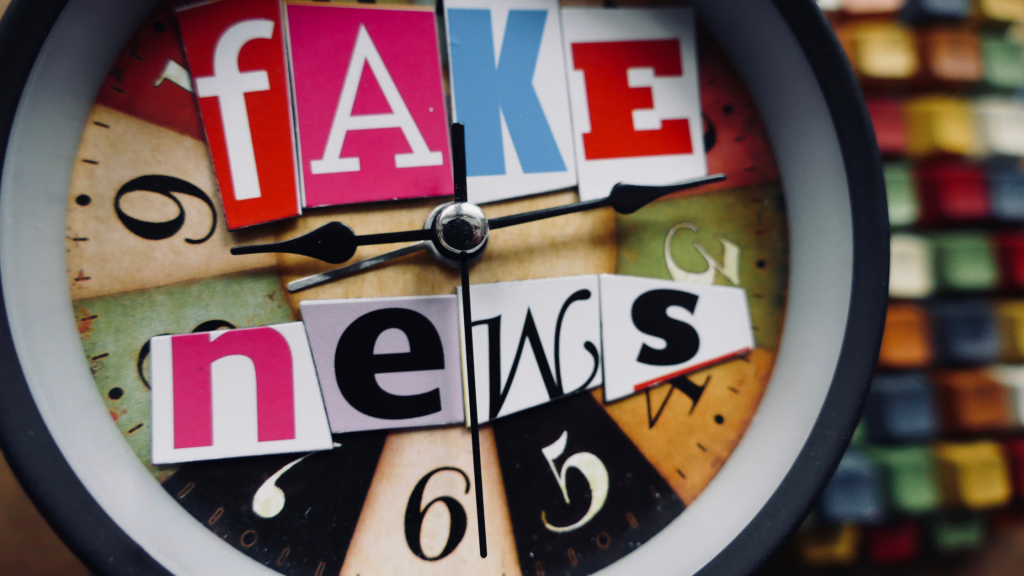
Fake news scams work so well because they play on human emotions and use tools that make them look believable. Most people don’t expect to be tricked by something that looks like a regular news story or social media post, and scammers take full advantage of that trust.
Fear, Urgency, or Hope to Get Quick Reactions
Scammers know that people are more likely to act quickly when they feel scared or pressured. Headlines about health risks, data breaches, or limited-time offers push people to click before thinking. Emotional reactions often overpower careful judgment.
They Appear to Come From Trusted Sources
Many fake news scams copy the look and tone of real news websites, government agencies, or well-known brands. When a fake article is well-designed, it’s easy to mistake it for a legitimate one, especially on social media, where posts are shared quickly and without context.
Social Media Helps Spread Misinformation Fast
False stories spread faster than true ones online. A study found that fake news travels six times faster on Twitter than real news. Once shared, these posts are hard to control, especially when people trust the person who shared them.
People Want to Be Helpful or First With Information
Sometimes, people share fake stories not because they believe them but because they want to warn others or be the first to share important news. This makes scams spread even further without any direct involvement from the scammers.
Many People Don’t Know How to Spot Fake News
Digital literacy is still a major challenge. A study by Stanford University showed that many students and adults struggle to tell the difference between real and fake news online. Without the skills to check sources or spot red flags, people are more vulnerable.
Using Deepfakes to Make Lies Look Real
Deepfakes use AI to create fake videos that look and sound real. Scammers have used this technology and Photoshop to create fake news interviews, product endorsements, and even fake government messages. These videos are hard to detect and make false claims much more convincing.
Final Word
Fake news scams are a growing threat. They’re used to steal money, gather personal data, and spread harmful lies. As these scams become more convincing, it’s critical to slow down, check the facts, and think before clicking or sharing.
Protecting yourself starts with staying informed. Learn to question headlines, verify sources, report fake online identities, and avoid sharing content without checking it.
If you’re second-guessing an online story or person, Social Catfish has a team of Search Specialists who can help verify the facts. Our private investigators can examine profiles, images, and messages to confirm whether someone is real or part of a scam.
Hear it directly from one of our customers:
“Erin was courteous and professional, reaching out to me and sending a follow up email regarding pricing options. Highly recommend this site especially for searches of people across all social media with contact details.” – TS Wolff