

 Multiple Faces Detected


 June 4th, 2025
Once considered a niche threat, Account takeover has quietly grown into one of the most dangerous forms of cybercrime, driving a global black market for stolen logins.
According to Flare’s report, The Account and Session Takeover Economy, sectors such as e-commerce, gaming, SaaS tools, and streaming platforms are seeing over 100,000 exposed accounts monthly.
Most people don’t even know it’s happening until the money is missing, accounts are locked, or strange charges show up.
In this blog, we’ll explain how account takeovers happen, what warning signs to look out for, and how you can stay safe and protect your accounts before trouble starts.
What Is Account Takeover?

Account takeover (ATO) happens when someone breaks into your online account without permission.
This could be your email, social media, bank account, shopping account, or even a work login. The goal isn’t to steal your full identity, like in identity theft, but to take control of one specific account and use it for their benefit.
Once a criminal gets in, they can do serious damage, often before you even realize anything’s wrong.
Here’s what attackers can do once they’re inside your account:
- They might drain your bank account or access private details.
- By changing your password, they can keep you from getting back in.
- They may send fake messages to your friends or coworkers pretending to be you.
- If your email is taken over, they can use it to reset passwords on your other accounts, creating a chain reaction.
Common Signs of an Account Takeover
Spotting the warning signs early can help stop an account takeover before serious damage is done. In many cases, these red flags are the first visible signs of a larger cyber attack in progress.
Here are some of the most common things to watch for:
- Unusual Login Activity: Logins from unfamiliar devices, odd hours, or unexpected locations may signal that someone else has accessed your account.
- Multiple Failed Login Attempts: A sudden spike in failed login attempts could mean someone is trying to break into your account using brute-force methods. It means guessing passwords based on small bits of personal information.
- Sudden Login Spikes: Bots are often used to flood systems with login attempts in a short time. These spikes are a clear sign of automated attacks targeting your credentials.
- Unexpected Account Changes: If your recovery email, phone number, or security settings are updated, especially all at once, it could mean someone has already taken control and is locking you out.
- Strange Purchase or Payment Activity: Look out for purchases from unusual locations, high refund rates, or unexpected chargebacks. These behaviors often show up after an account has been compromised.
The Real-World Impact of Account Takeover Fraud
Account takeover (ATO) fraud can cause serious problems for both individuals and businesses. The damage often goes far beyond just losing access to a single account.
Financial Losses
When hackers get into an account, they can make unauthorized purchases, transfer funds, or access linked accounts, leading to big financial scams.
For businesses, the cost can be even higher. Chargebacks from fraudulent transactions add up quickly, and investigating or disputing them takes time and resources.
Risk of Identity Theft
ATO is often a gateway to full-blown identity theft. Once someone has your login, they can gain access to more sensitive details like your Social Security number, credit card information, or bank credentials.
This kind of exposure can lead to credit card fraud, fraudulent loans or accounts in your name, and take months (or even years) to fix.
Reputational Damage for Businesses
If a company suffers an ATO breach, customer trust can vanish overnight.
People may stop using the service, leave negative reviews, or take their business elsewhere. The risk is even higher if the compromise was part of a targeted attack, such as a business email compromise.
In competitive industries, that kind of reputational damage can result in long-term revenue loss.
Poor User Experience and Lost Trust
For online platforms, especially eCommerce or SaaS businesses, ATO attacks can lead to a frustrating experience for users.
When accounts are hijacked, customers may face failed logins, unauthorized charges, or security lockouts. If this happens often, users begin to lose confidence in the platform’s ability to protect their data.
Internal Operational Costs
Behind the scenes, businesses also face increased costs in customer support, fraud investigation, security upgrades, and compliance reporting.
These costs rise even more when personal data isn’t properly protected, making it essential to secure sensitive information in the workplace.
How Does Account Takeover Happen?
Account takeover (ATO) usually follows a series of quiet, calculated steps. It’s not always immediate, and that’s what makes it so dangerous.
Step 1: Access Through Stolen Credentials
The attacker starts by getting into your account, often using login information leaked in a data breach or gathered through phishing, malware, or credential stuffing (using the same password across sites).
Step 2: Subtle Changes to Avoid Detection
Once inside, the fraudster typically makes small changes that won’t raise red flags. These can include:
- Updating personal information like your name or address
- Requesting a new credit or debit card
- Adding a new authorized user
- Changing the account password
Because these updates can look like normal user behavior, they often slip through without being noticed by you or the platform’s security systems.
Step 3: Full Control and Financial Exploitation
After making those small edits, the attacker now has control. They can:
- Use saved payment details to make purchases
- Transfer money or rewards points
- Access additional personal information
- Take out loans or credit under your name
- Use the account as a gateway to other linked services.
The more personal data they collect, the more accounts they can break into. One compromised account can quickly snowball into a full-blown identity crisis.
How Do Hackers Take Over Accounts?

Hackers have many tricks to steal your login information. Sometimes, they buy stolen passwords from the dark web. Other times, they come after you directly. Here are the most common ways account takeovers happen:
Phishing
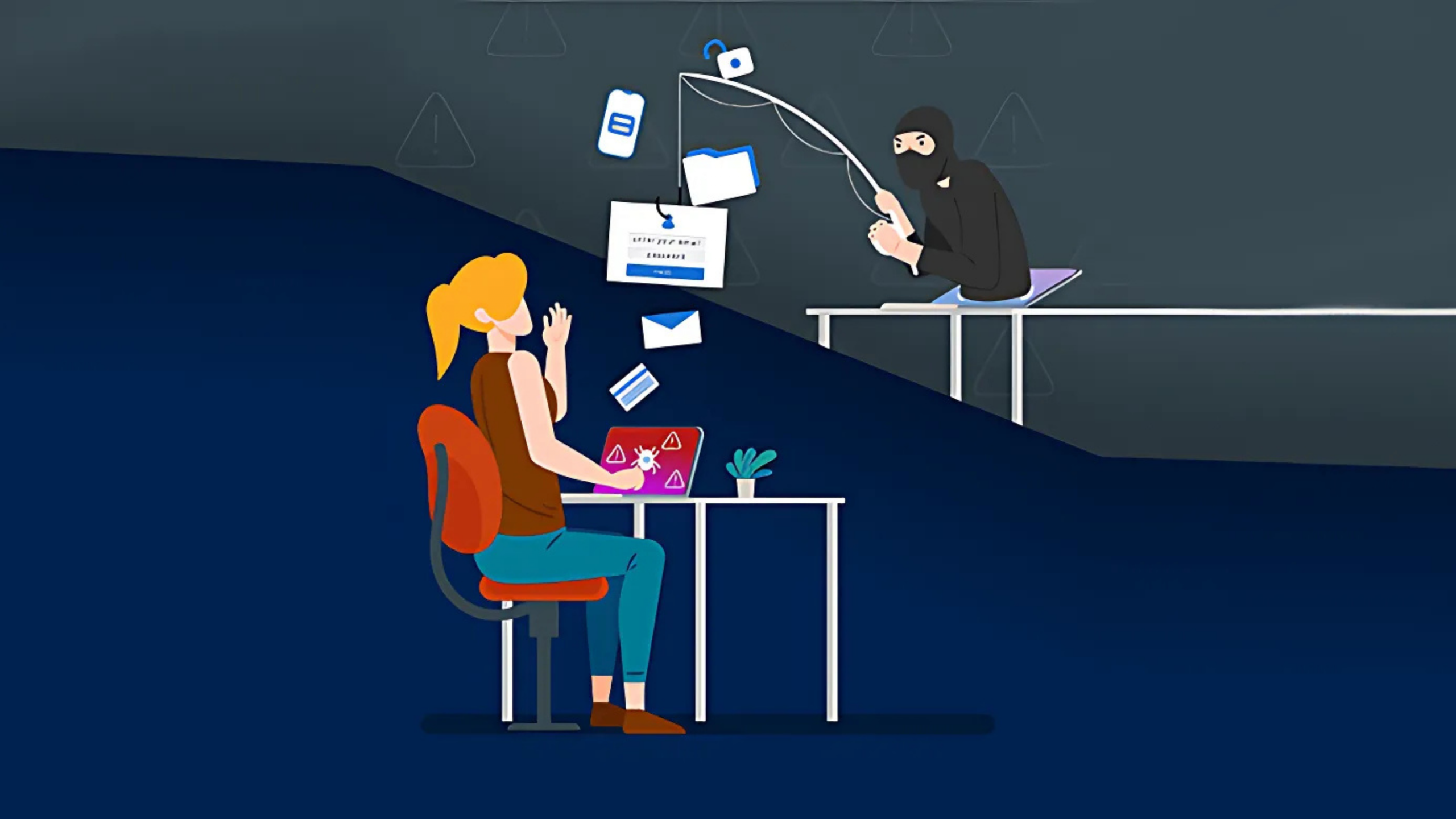
Phishing is a common tactic where scammers send fake emails or texts that look like they’re from your bank, a delivery service, or someone you know. These messages often say your account is locked and prompt you to click a link.
The link leads to a fake website that steals your login details or installs spyware. Many of these scams use counterfeit identities, similar to catfishing tactics, to trick you into trusting the sender.
Phone Scams
Hackers also call people pretending to be tech support, the government, or a family member in trouble. They try to scare or confuse you into giving them access to your bank info or computer.
Older adults are often targeted because they’re more likely to answer unknown calls. When in doubt, a reverse phone lookup can help you avoid falling for a fake call.
Unsecured Wi-Fi
Using public Wi-Fi in places like coffee shops or airports can be risky. Hackers can create fake Wi-Fi networks or spy on your internet traffic to steal your passwords.
Even at home, Wi-Fi and smart devices like doorbell cameras and thermostats can be hacked if you don’t update passwords or change the default settings.
Password Guessing
Hackers use bots (automated tools) to try many username and password combinations. These bots can:
- Test leaked passwords from old data breaches
- Try common passwords like “123456” or “password”
- Use every possible letter and number combo until something works
If you use weak or repeated passwords, your accounts are much easier to break into. Practicing strong password management is one of the simplest ways to defend your email and other accounts from these attacks.
Session Hijacking
When you log in to a website, your session stays active for a while. Hackers can steal this “session token” from your browser and use it to sneak into your account, without ever needing your password. This can happen if your device is infected or if you’re on an unsafe Wi-Fi network.
AI-Powered Impersonation
Scammers are now using AI tools to run better scams. With just a few clicks, they can write fake emails, texts, or even copy someone’s voice or face using deepfake tech.
Some even use AI to create fake ID documents or trick facial recognition systems, but tools like facial recognition search can also be used to spot these fakes and verify if someone is who they claim to be.
Final Word
Account takeovers often go unnoticed until it’s too late. When that happens, it’s not always easy to track what went wrong or how to fix it.
If you suspect your account or identity has been compromised, a Search Specialist from Social Catfish can help verify who’s behind the activity and guide you through recovery. It’s a faster, more reliable way to take back control.
A quick word from someone we’ve helped:
“I reached out for help to assist a neighbour being scammed.Social Catfish were very quick with a response and excellent suggestions. I received advice, resources available, and direction along with basic information needed to assist generally. So very glad to find a source of help for this unbelievably damaging romance scam scenarios.” – Diane











