
 Multiple Faces Detected



 May 28th, 2025
These days, people share a lot of personal moments through apps like Snapchat. The app makes sharing feel easy and secure, but problems can happen without being noticed.
Across the internet, social media accounts are being hacked or leaked more often. Snapchat is no exception. In some cases, accounts are taken over without the owner even realizing it right away.
Private photos, messages, or videos can be exposed, and scammers might use the account to trick others. Sometimes, the signs are obvious. Other times, they’re small, like a setting that changed on its own, or a message sent that the account owner doesn’t remember.
This blog explains the warning signs to look for, how Snapchat accounts can be leaked, and the steps anyone can take to keep their account safe.
What Snap Leak Info Reveals?
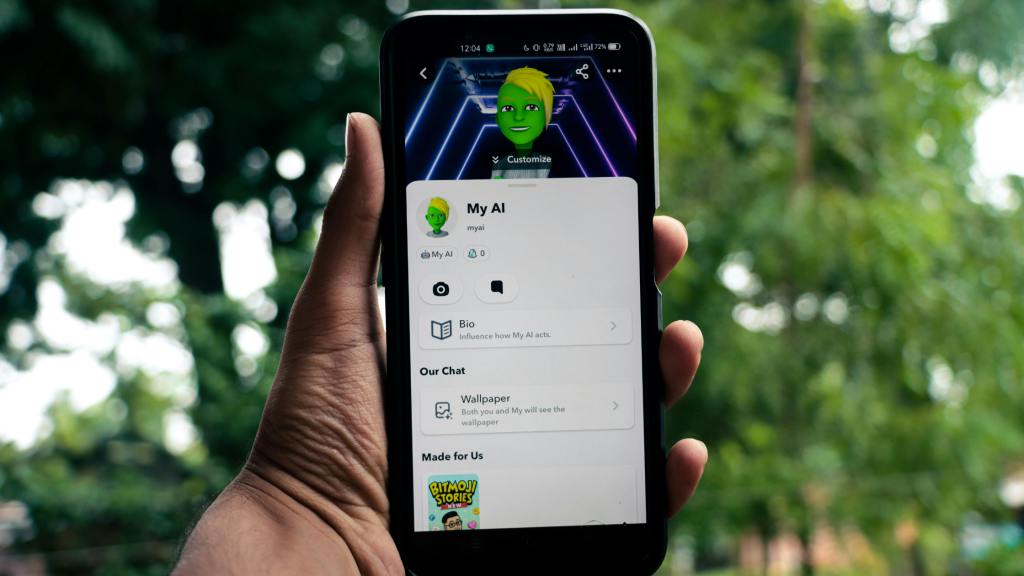
Many people don’t realize that Snapchat also stores chats, saved media, and personal information, not just photos.
That visibility, paired with how easy it is to find someone on Snapchat, makes accounts a prime target for scammers and hackers looking to steal or sell information.
In many cases of Snapchat scams, stolen accounts are shared or sold on dark web forums. Some are used to blackmail the original user by threatening to leak private photos or messages.
Others are used for impersonation, tricking friends or followers into sending money or clicking harmful links. Even everyday users, not just celebrities, can be affected.
Here are common ways how Snapchat accounts are getting compromised:
Phishing Links Disguised as “Login Verification”
Hackers often send fake messages or emails that look like Snapchat login pages. They might say the user needs to verify their account or log in again for security reasons. Once someone enters their info, the hacker gets full access.
Fake Snapchat Support Messages
Some scammers pretend to be Snapchat support. They might message someone saying there’s a problem with their account and ask for personal information. The platform’s official support channel will never do this.
Third-Party Apps Requesting Login Access
Using unofficial apps or plugins that ask for Snapchat login details is risky. These apps may seem useful, but they often collect usernames and passwords and send them to hackers.
Sharing Username Publicly
Snapchat offers tools like Snapcodes, profile links, and username stickers to help users share their accounts. But sharing a Snapchat username and Snapcode publicly, especially on untrusted platforms, can be risky.
Public Wi-Fi or Session Hijacking
Connecting to public Wi-Fi without protection can let others see login details. In some cases, hackers can take over an account while it’s in use if the connection isn’t secure.
How to Spot Snap Leak Info Before It Gets Worse
Snapchat account hacks don’t always happen dramatically. In many cases, the signs are small and easy to miss. Paying attention to these early warning signals can help catch a leak before serious damage is done.
Logged Out Without Warning
Being suddenly logged out of Snapchat for no clear reason can be a sign that someone else has taken control of the account. This may happen when a hacker logs in from another device and forces the original user out.
Try to log back in and change the password. If the account is locked or the password no longer works, use Snapchat’s account recovery steps immediately.
Strange Devices or Activity in Login History
Snapchat allows users to check recent login activity. If the account shows logins from places, devices, or times that don’t match regular use, it could be a sign of a data breach. Some red flags are:
- Unknown cities or countries
- Unfamiliar device names
- Multiple logins within minutes.
To check this, open Snapchat settings and look under “Two-Factor Authentication” or the “Devices” section.
In cases where a suspicious username is involved, using a username search OSINT technique can identify whether that username is linked to fake profiles or scam activity elsewhere online.
Messages or Snaps That the User didn’t send
One of the most common red flags is hearing from friends about strange messages or spam links sent from the account. Sometimes, content appears on a Snap story that the user didn’t post.
Identifying whether a Snapchat account is fake can be challenging, but certain indicators can help spot impersonators.
Account Settings Have Been Changed
If the email, phone number, or other account details were changed without the user’s knowledge, it’s a major sign of a compromise. Hackers often do this to block recovery and make the account harder to reclaim.
Other warning signs include changes to the Bitmoji, display name, or profile picture.
Unrequested Verification Codes or Login Alerts
Receiving a Snapchat code by text or email without trying to log in is another possible sign that someone is trying to access the account. These codes are part of Snapchat’s security system, and they only send them when someone tries to sign in.
If these alerts happen often, it could mean someone has the username and is trying different passwords or methods to break in.
The Risks of Ignoring Snap Leak Warning Signs
When small warning signs are ignored, a compromised Snapchat account can quickly turn into a serious problem. What starts as a strange message or a login alert can lead to privacy loss, scams, or even identity theft.
Private Snaps and Messages Could Be Leaked
Snapchat is often used to share personal moments, messages, or sensitive photos. If someone gains access to the account, this private content can be saved, shared, or used for harm.
Scammers even edit or enhance photos using Photoshop to mislead others or create fake profiles that appear more real.
In some cases, stolen content has been leaked online or used in blackmail scams. There have been real examples of users being threatened unless they paid money or shared more content. Once something is revealed, it can be nearly impossible to take back.
Account Used in Other Scams
Hackers don’t just go after content, they also use stolen accounts to scam others. A compromised Snapchat profile can be used to impersonate the real user, sending fake messages to friends or followers.
There have been cases where hacked Snap accounts were used to promote crypto scams, fake giveaways, or even impersonation of OnlyFans creators. This can hurt other people and also damage the account owner’s good name.
Long-Term Privacy Risks
When a Snapchat account is hacked, the danger isn’t always over right away. Personal details like email, phone number, and photos can be stored or shared. In some cases, this information is used for identity theft or sold online.
Snapchat’s map feature also shows a person’s location. If this is turned on during a breach, it could expose someone’s daily habits, such as home, school, or work routines, without their knowledge.
What to Do After Catching a Snapchat Leak?
Once a Snapchat leak is spotted, a quick follow-up matters. These next steps help protect personal data, stop further damage, and alert others who might be affected.
Report the Incident to Snapchat
Snapchat offers tools to help with hacked accounts. Go to the Snapchat Support page, choose “I think my account was hacked,” and follow the steps to recover it.
In serious cases, like stolen content or impersonation, it’s also possible to contact Snapchat directly through the support form or help site. Providing screenshots or proof can speed up the process.
Warn Your Friends
If a hacked account was used to message others, it’s important to let them know. A quick message or post explaining that the account was compromised can help stop friends from clicking fake links or falling for scams.
Letting others know also helps protect their accounts and encourages them to stay alert for strange messages or behavior.
Use a Reverse Lookup Tool
If strange messages, phone numbers, or usernames were involved in the account breach, a good reverse lookup tool can help trace where they came from.
Just by entering the email, phone number, Snapchat username, or even a photo, users can find out if the contact is linked to scams or fake identities
Snapchat’s Account Recovery Checklist
If you spot some unfamiliar activities on your account, like strange messages, unknown logins, or account changes, it’s important to act fast. These simple steps can help stop the problem and protect personal information.
- Log out of all devices: Open Snapchat settings and log out of every device. This stops anyone else who might be using the account.
- Reset the password: Create a new password that’s strong and not used on any other apps. Don’t use easy words or patterns.
- Turn on two-factor authentication (2FA): For extra security. A special code will be sent to the phone or email during login, making it harder for anyone else to get in.
- Remove third-party apps: Check for apps linked to Snapchat. Remove anything that looks strange or unfamiliar. Some outside apps can steal login details.
- Check email and phone accounts: If Snapchat was hacked, the connected email or phone might be at risk, too. Look for login alerts, password change emails, or unknown activity.
Looking up the email linked to a Snapchat account can reveal if it’s been used in scams or connected to fake profiles elsewhere.
Snap Leak Info and How One Breach Can Lead to More
For many, a Snapchat leak feels like a one-time scare, but in reality, it can open the door to deeper privacy risks across other platforms. If an account was targeted once, it may not be the last time. That’s why taking it seriously now matters.
For those unsure about how far the breach might go or who might be behind it, working with a Search Specialist can make a real difference.
When basic lookups fall short, our search specialists can piece together hidden clues to help uncover who’s really behind the leak. It’s a smarter way to reclaim control, protect personal identity, and stay one step ahead of future threats.