 Multiple Faces Detected


 November 6th, 2024
Online security is more important than ever. With the rise of e-commerce and online banking, our personal and financial information is constantly at risk of being compromised. One of the most common and dangerous forms of cybercrime is account takeover. In this blog post, we will discuss what account takeover is, how it happens, and most importantly, how you can protect yourself from it.
What is Account Takeover?
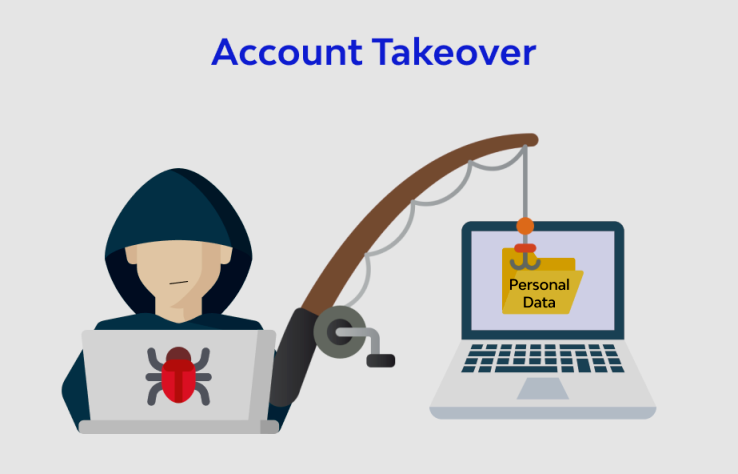
Account takeover, also known as ATO, is a type of cyber attack where a hacker gains unauthorized access to a user’s online account. This can include email, social media, banking, and e-commerce accounts. Once the hacker gains access, they can use the account to make purchases, steal personal information, or even lock the user out of their own account.
ATO attacks are not limited to individual accounts. They can also target businesses, government agencies, and other organizations. In fact, according to a report by Javelin Strategy & Research, account takeover accounted for 29% of all identity theft cases in 2019.
How Does Account Takeover Happen?
There are several ways in which a hacker can gain access to your account. The most common methods include phishing, malware, and data breaches.
Phishing is a fraudulent technique where hackers send fake emails or messages that appear to be from a legitimate source, such as a bank or social media platform. These messages often contain a link that leads to a fake website where the user is prompted to enter their login credentials. Once the hacker has this information, they can easily access the user’s account.
Malware, or malicious software, is another common method used in ATO attacks. Malware can be downloaded onto a user’s device through infected links or attachments. Once installed, it can record keystrokes, steal login information, and give hackers access to the user’s account.
Data breaches, where a hacker gains access to a company’s database containing user information, are also a major cause of ATO attacks. In these cases, the hacker can use the stolen information to access multiple user accounts.
How to Protect Yourself from Account Takeover
Fortunately, there are steps you can take to protect yourself from account takeover. The first and most important step is to use strong and unique passwords for all your online accounts. This means using a combination of letters, numbers, and special characters, and avoiding easily guessable information like your name or birthdate.
It’s also important to be cautious of suspicious emails or messages, especially those asking for personal information or containing links or attachments. If you receive an email from a company asking you to update your account information, it’s best to go directly to the company’s website instead of clicking on any links in the email.
Another way to protect yourself is to enable two-factor authentication (2FA) on your accounts. This adds an extra layer of security by requiring a code or confirmation from a separate device before allowing access to your account.
Lastly, it’s important to regularly monitor your accounts for any suspicious activity. If you notice any unauthorized transactions or changes to your account, contact the company immediately and change your login credentials.
Social Catfish
Using Social Catfish can be a powerful step in preventing account takeover by helping you verify online connections and spot potential threats before they reach your accounts. Social Catfish’s search tools allow you to check the authenticity of email addresses, social media profiles, phone numbers, and images to ensure that the people or companies contacting you are legitimate. This extra layer of verification can help you identify phishing attempts, fake profiles, or compromised accounts that hackers often use in ATO scams.
Protect yourself today by running a quick check with Social Catfish to see if that “trusted contact” is really who they claim to be.
Conclusion
Account takeover is a serious threat that can have devastating consequences for individuals and businesses alike. By understanding how it happens and taking necessary precautions, you can protect yourself from falling victim to ATO attacks. Remember to use strong passwords, be cautious of suspicious emails, and regularly monitor your accounts for any unusual activity. Stay vigilant and stay safe online!