
 Multiple Faces Detected


 October 6th, 2023
A cyber attack is an offensive maneuver that targets computer information, infrastructures, computer networks, or a personal computer device. A cyber attack can be an individual, a group of people, a society, or an organization.
An attack can target a single computer or a computer network affecting thousands of users. It can be aimed to destroy a personal computer or an infrastructure of entire nations. A cyber attack is an attempt to expose, alter, disable, damage, or steal information by hacking into a vulnerable system.

Three main factors contribute to the “why” cyber attacks are launched. The spectacular factor which is measured by the actual damage achieved by the attack. The fear factor, which is the ability to create fear by the attack. Lastly, the vulnerability factor that targets the vulnerability of an organization or government establishment.
There are two types of attacks; passive and active. A passive attack strives to learn or make use of information form the system “silently” but does not affect the system resources. An active attack is more noticeable and attempts to alter and change the operation.
4 Types of Cyber Attacks
Malware
Malware comes in various forms of harmful software, such as viruses. Once the malware is on your computer, it wreaks all sorts of havoc.
It can take control of your computer, monitor your actions and keystrokes, and silently send private data from your computer to the attackers home base. It may appear as a virus alert pop up or a malicious email attachment that you mistakenly click.
Phishing
Attackers know that many users are very cautious about opening a random attachment or clicking on a link in a suspicious email. When the scammer wants you to install malware, they often turn to phishing tactics by pretending to be someone you trust.
The email will appear to be legitimate and have some urgency. There will be an attachment or link to click on. When you open this attachment, you will be installing the malware in your computer and become a victim of a cyber attack.
SQL Injection Attack
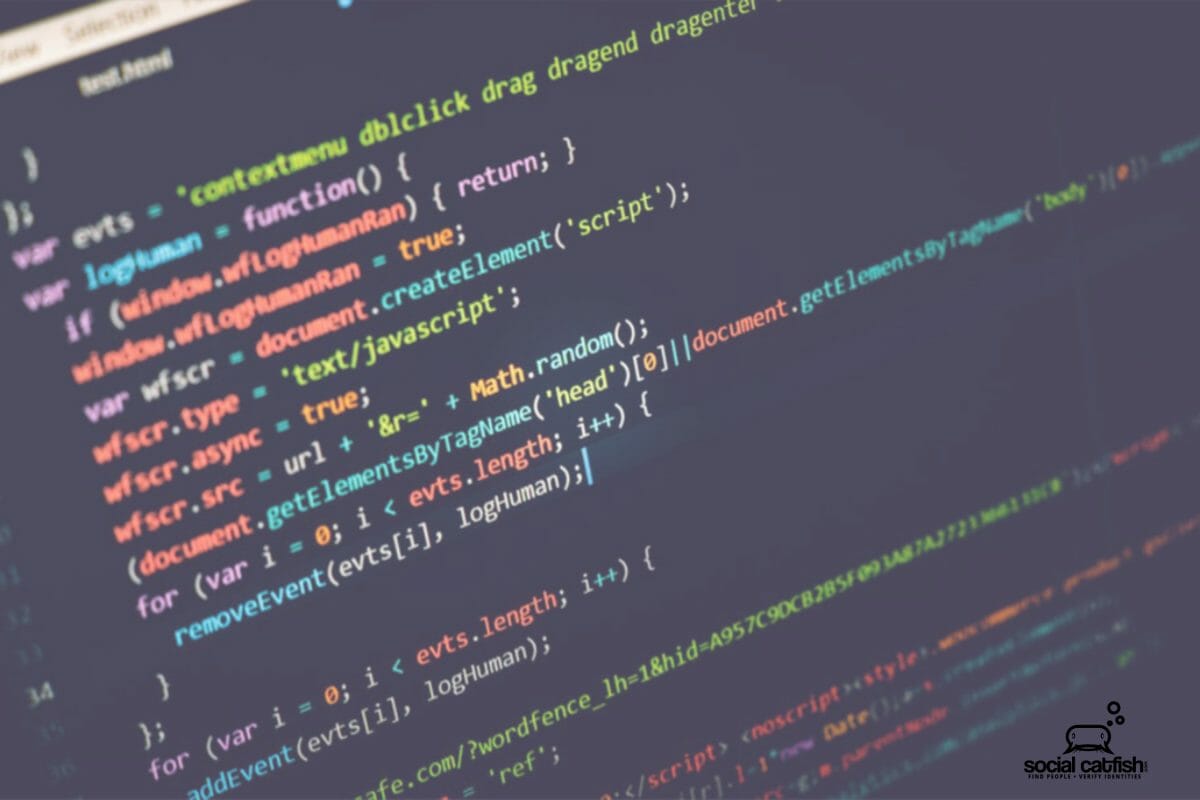
SQL which is pronounced “sequel” stands for the structured query language. This is a programming language used to communicate with databases. Many servers that store critical data for websites and services use SQL to manage their databases.
An SQL injection attack targets this kind of server using malicious code to get the server to divulge information that it usually would not. This is very dangerous for servers that store private data, such as credit card information.
Denial of Service
If you overwhelm a site with more traffic than it can handle, you will overload the server, and it will be difficult for the website to serve its contents to visitors who are trying to access it. This can happen to due high traffic to the site, but more than likely, this kind of traffic overload is the malicious cyber attacker. They purposely flood a website with overwhelming traffic to shut it down completely.
These are just a few instances of many types of attacks. Some of these attacks cannot be prevented, but there are steps you can take to prevent cyber attacks as much as possible.

Steps to Protect Yourself from Cyber Attacks
- Never click on links in unknown emails.
- Never open the attachments.
- Do not give out personal information.
- Set up secure passwords and do not share them with anyone.
- Keep the operating system and browser up to date.
- Verify the authenticity of requests from individuals and companies by contacting them directly.
- Pay close attention to website URLs.
- Be suspicious and cautious of unknown links and requests sent through email and texts.
Being the victim of a cyber attack can be frustrating, damaging, and costly. If you suspect that you may be a victim, please contact Social Catfish for assistance to prevent or end the cyber attack by doing a reverse lookup and identifying the source of your attack.