
 Multiple Faces Detected


 May 9th, 2025
Customer-to-customer online marketplaces like OfferUp have completely changed how we buy and sell locally. Instead of garage sales or classified ads, you can now find a nearby buyer and make the exchange, all from your phone.
Still, buying and selling so easily means both sides face potential OfferUp scams. Sellers deal with no-shows, fake buyers, or aggressive hagglers. Buyers face scams, damaged goods, or paying for something they never receive.
So, how do you protect yourself without giving up the convenience? Let’s break down!
What Is OfferUp and How Does It Work?

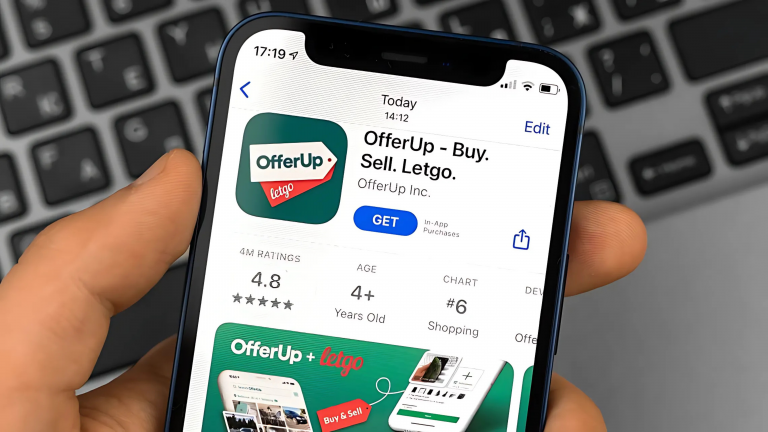
OfferUp is a free app that lets people buy and sell things locally or through shipping. It’s often used to sell items like furniture, electronics, clothes, tools, and even cars. You can post a listing with photos, set a price, and chat with interested buyers.
If you’re a buyer, you can browse items by category or location, message the seller, and arrange to meet or have it shipped. OfferUp also has features like user ratings, verified accounts, and in-app messaging to help make deals safer and smoother.
While it’s a convenient way to get rid of things you no longer need or find a good deal, it’s still up to each person to stay alert. The platform doesn’t screen every user or guarantee every transaction, which is why scams have become more common.
Scammers on this platform try to trick you by using emotional stories or rushing you, just like catfishers do. Find out how to spot a catfish scam so you don’t fall for it.
The Most Common OfferUp Scams and How They Work
OfferUp makes it easy to buy and sell nearby, but it’s also become a popular place for scammers. Knowing how these scams work can help you keep your stuff and your personal details safe.
Fake Payment Confirmation
A buyer agrees to your terms and quickly sends what appears to be a payment confirmation via Zelle, PayPal, or another app. The screenshot may seem authentic, complete with timestamps and transaction IDs.
However, no funds actually reach your account. If you proceed with the sale, you may lose the item without receiving any payment. Always verify payments directly through the relevant platform, not through screenshots.
Overpayment Scam
In this scenario, the buyer intentionally sends a larger payment than agreed upon and then requests a refund of the “accidental” overage.
The original transaction is either fraudulent or reversed shortly after. If you refund the excess, you are likely returning real money in exchange for nothing.
Fake Check Scam
A buyer sends a check through the mail for more than the agreed price and requests that you return the difference.
The check may appear valid and even temporarily clear. Once the bank identifies it as fraudulent, however, the full amount is withdrawn from your account, leaving you responsible for both the lost item and the refunded funds.
Google Voice Code Scam
The buyer asks you to verify your identity by reading back a code sent to your phone. By giving them the code, you allow them to register a Google Voice account under your name, which can then be used for further fraud or identity theft.
Understand the risks of sharing your personal information before responding to any buyer or seller.
Phishing Links via Chat
Scammers often send fake links pretending to be from OfferUp. They might say you need to verify your account or view more photos, but the link leads to a fake login page.
Once you enter your details, they steal your account. They can lock you out, scam others, or change your info.
If something feels off, you can run a quick reverse lookup on Social Catfish. Just enter a phone number, email, or username to see if it’s linked to suspicious activity. It’s a fast way to avoid getting tricked.
“Quick Sale” with Stolen Items
A high-value item is listed at a suspiciously low price, with the seller urging a fast transaction due to relocation, emergency, or another excuse.
The item may be stolen property or may not exist at all. Even if you receive it, possession of stolen goods can result in further legal complications.
Counterfeit Scams
Some sellers attempt to pass off fake or knockoff products such as luxury watches, brand-name headphones, or designer accessories as genuine.
A surge in online shopping scams, especially around holidays, has made it easier for counterfeit goods to slip into marketplaces like OfferUp. These listings often include too-good-to-be-true pricing and multiple duplicate posts.
Bad Checks
A buyer may offer to pay with a personal or business check. After the item is handed over, the check is either rejected by the bank or discovered to be fraudulent.
Sellers who accept checks risk losing the item and incurring fees or losses due to bounced payments.
Shipping Fee Scams
A buyer may agree to purchase an item and offer to handle shipping. Shortly after, they sent an invoice requesting reimbursement for shipping costs.
This is nearly always a scam. Use OfferUp’s built-in shipping calculator to avoid transactions that take place outside the official platform.
Empty Box Scam
The seller shows photos of an item in its original packaging but buries the words “box only” within a long and complex description.
Buyers expecting the actual product receive an empty box. Always review descriptions carefully and ask direct questions if the listing is unclear.
Sellers Outside the Country
Some sellers claim to be U.S.-based but are “temporarily” overseas. They may tell a convincing story involving military service, family emergencies, or job transfers to justify a low price and urgency.
This narrative is commonly used in scams. If the seller cannot meet in person or insists on payment before shipment, proceed with caution or not at all.
Many scammers use the same tricks across platforms. Learn how to spot a fake online seller and avoid being misled by tempting deals that aren’t real.
Fake Accounts with Multiple Listings
A scammer may create one or more accounts that post the same item repeatedly. Often, these accounts are recently created and show no selling history.
Before proceeding, check for duplicate listings and evaluate the account’s history. A single post from a new profile should raise red flags.
How to Spot an OfferUp Scam?

Most OfferUp scams follow a pattern. Once you know the warning signs, they’re much easier to catch before you get pulled in.
Red Flags from a Buyer
- If a buyer asks to pay using Venmo, Zelle, or Cash App, especially outside of the OfferUp platform, that’s a sign something’s wrong.
- Scammers often act like they’re in a hurry to seal the deal. That pressure is meant to stop you from thinking things through.
- No serious buyer offers more money than necessary. This is a classic setup for overpayment scams, where the payment is fake or reversed.
- Buyers pushing for shipping, especially when you’re not using OfferUp’s built-in shipping, often have no intention of paying. It’s a red flag that ties into several scam types.
Red Flags from a Seller
- If a seller sends a message with a link, don’t click it. Many phishing scams use fake OfferUp login pages to steal your account information.
- If they want your phone number, email, or anything outside the app’s chat system, they may be setting up a scam. Stick to in-app messages only.
- If the item is in high demand, like an iPhone or game console, and the price is far below market value, it’s likely fake or stolen.
- No reviews, no previous listings, and a brand-new profile? It might be a real beginner, or it might be someone setting up a scam. Be extra careful.
- Avoid meeting stops like private addresses, isolated spots, or last-minute location changes.
- If the seller only wants you to pay upfront and won’t meet in person, don’t go through with the sale. Real sellers are willing to meet locally, especially for cash deals.
If you’ve already fallen victim or suspect you’ve been targeted, here’s how to report an online scam and take quick action to protect yourself.
How to Stay Safe on OfferUp?
Being careful on OfferUp is the best way to avoid scams. But even if you do everything right, some scammers are skilled at hiding who they really are. They might use fake names, stolen photos, or convincing stories that make it hard to know what’s real.
That’s where Social Catfish can help. Our search specialists look closely at even the smallest details to help you find out if someone is who they claim to be. It’s a smart step when you need answers that aren’t easy to find on your own. See what one of our users had to say:
“Erin was very friendly but professional and got right to the point .I didn’t have to wait hardly at all and everything was taken care of within a minute or two cuz I didn’t understand some of the directions but she made it very clear to me and I appreciate it very much.” – Steven