
 Multiple Faces Detected


 June 20th, 2025
Impersonation scams involving U.S. Immigration and Customs Enforcement (ICE) are on the rise, and immigrant families are being targeted. In 2023 alone, government impersonation scams led to over $618 million in reported losses, according to the Federal Trade Commission.
Many of these scams involve fraudsters posing as ICE agents to pressure individuals into handing over money or personal information under the threat of deportation, visa cancellation, or arrest.
In this blog, we’ll uncover how ICE impersonators operate, the warning signs to look out for, and how to protect yourself and others from becoming a victim.
Who Are Fake Agents?
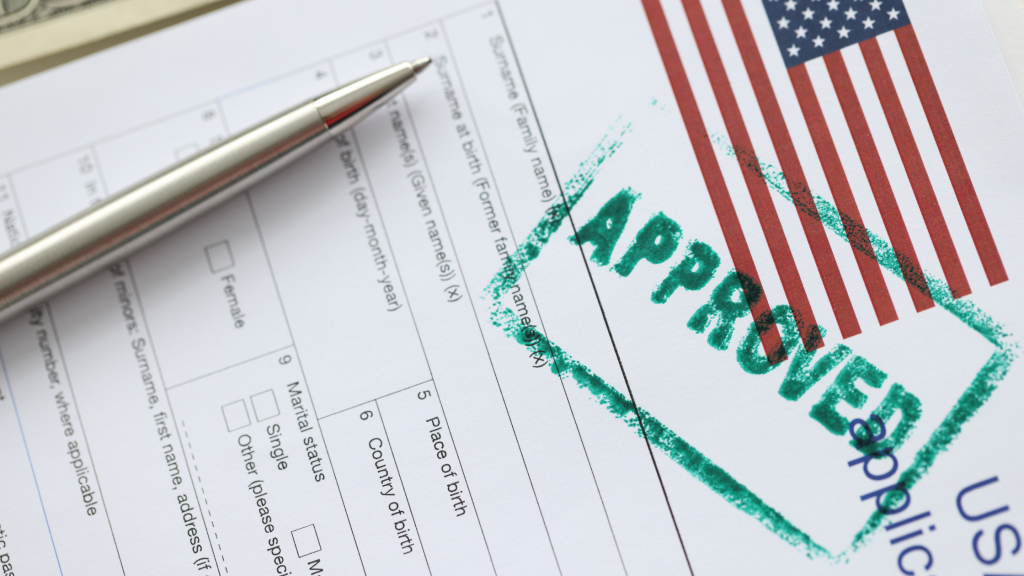
Fake ICE agents are scammers who pretend to work for U.S. Immigration and Customs Enforcement (ICE) or other immigration-related government agencies.
They are not real officers. Instead, they use fear, urgency, and false authority to trick people, often immigrants, into sending money or sharing personal information.
These impersonators can be individuals or part of larger fraud networks. They may:
- Use fake names and ID numbers that sound official
- Speak with a strong, demanding voice to sound intimidating
- Claim there is a problem with your visa, green card, or deportation case
- Say you must pay a fine or “bond” immediately to avoid arrest or removal
Some even spoof government phone numbers or send emails with logos that look real. Others contact victims through WhatsApp, Facebook, or text, pretending to offer immigration help or urgent updates.
These scams can seem very real, but legitimate ICE agents will never ask for money or personal details over the phone or online. That’s one of the biggest red flags to watch for.
Why Fake Agents Target Immigrant Families?
Scammers posing as U.S. Immigration and Customs Enforcement (ICE) agents often target immigrant families due to several factors:
- Fear of Deportation or Status Issues: Immigrants may fear that any misstep could jeopardize their residency or lead to deportation, making them more susceptible to threats from imposters.
- Language Barriers and Legal System Unfamiliarity: Limited proficiency in English and unfamiliarity with the U.S. legal system can hinder immigrants’ ability to distinguish between legitimate and fraudulent communications.
- Distrust or Avoidance of Law Enforcement Contact: Past experiences or cultural perceptions may lead some immigrants to avoid contact with law enforcement, reducing the likelihood of reporting scams or seeking verification.
How ICE Impersonators Operate
Scammers who pretend to be ICE agents use a range of tactics to appear legitimate and pressure victims into taking immediate action. These tactics are designed to create fear and urgency, making people act before they have time to think or verify the situation.
Phone Calls Claiming Arrest Warrants or Deportation
One of the most common methods is a fake call. The impersonator may claim:
- “You missed your court date.”
- “There’s a problem with your immigration papers.”
- “You’re about to be deported unless you act right now.”
These calls often include threats of arrest, detention, or losing your immigration status. The scammer will then demand immediate payment, usually through methods that are difficult to trace, such as Zelle, prepaid gift cards, or cryptocurrency.
Fake Social Media and WhatsApp Messages
Scammers are also targeting people through platforms such as Facebook, WhatsApp, Google Chat, and Instagram. They may:
- Pretend to be ICE agents, immigration lawyers, or part of a fake “immigration help desk.”
- Use stolen photos, fake ID cards, or even AI-generated badges to look convincing. You can upload the image to a reverse image search to see where else it appears, and if it’s connected to scam reports.
- Send links to what appear to be USCIS forms or immigration updates, but are malicious sites designed to steal personal information.
In many cases, these messages are written in the victim’s native language to build trust and bypass suspicion.
Spoofing Caller ID or Government Logos
To appear more convincing, scammers often spoof real phone numbers, making it appear as though the call is coming from the Department of Homeland Security (DHS) or another federal agency. The caller ID might even say “ICE” or “U.S. Government.”
They may also send emails that look official but are fake, using addresses like:
These email addresses are designed to deceive people into thinking they’re from legitimate government websites, but official U.S. government emails typically originate from .gov or .mil domains.
Not sure if an email is real? An email reverse lookup can reveal if it’s linked to scams or suspicious activity.
Common Threats Used by Fake ICE Agents
Fake ICE agents rely on fear to pressure victims into acting quickly. Their threats sound serious and official, but they’re completely false. Here are the most common scare tactics they use:
Deportation Threat
This is one of the most frightening threats. The scammer claims that you’ll be arrested or deported immediately unless you take action, typically by sending money. They may claim they’re already on the way or that an order has been signed.
Arrest Warrant
Scammers often claim there’s a federal warrant out for your arrest because of missing documents or skipped immigration appointments. They may say you missed a court date or filed paperwork incorrectly, and now you’ll face legal consequences unless you pay a fine.
Bank Account Freezing
Some impersonators take it a step further and claim that ICE is working with the IRS or banks to freeze your accounts. They use this threat to scare people into handing over sensitive information, like Social Security numbers, bank details, or immigration documents.
Using Family and Work to Create Fear
More aggressive scammers claim they’ll report your status to your employer, remove your work permit, or even involve Child Protective Services. These are lies meant to create panic and isolate you from others who could help verify what’s happening.
Gag Orders or Secrecy Warnings
Many fake agents will demand secrecy. They’ll say that if you talk to a lawyer, friend, or family member, your case will become more serious. This tactic is used to keep victims from double-checking the information or reporting the scam.
These scare tactics mirror those used in other government impersonation scams, including cases where fraudsters pretend to be IRS agents demanding payment for back taxes through urgent, threatening calls
How to Protect Yourself from ICE Impersonator Scams
As online scams become increasingly sophisticated each year, protecting your information and verifying the identity of those you’re communicating with has never been more important.
Here’s how you can protect yourself:
- Stay calm and refrain from responding immediately.
- Don’t trust caller ID or email appearance.
- Avoid sending personal info or money.
- Verify the person’s identity before taking any action.
If you’re unsure whether the person who contacted you is genuine, consider consulting a professional. The Search Specialists at Social Catfish can help you investigate who’s really behind the call, message, or profile.
Our team helps trace fake identities and spot potential red flags, giving you peace of mind before it’s too late.