
 Multiple Faces Detected


 February 16th, 2025
You might have received a call from someone claiming to be your bank, a government agency, or a tech support representative, only to find out later it was a scam.
In the fast-moving age of voice agents and AI-powered robocalls, it is becoming harder to tell real from fake. Scammers use different tricks to steal personal information, leading to financial fraud and identity theft.
Hiya’s 2024 Global Call Threat Report reveals just how widespread the problem has become.
- In the first half of 2024, nearly 20 billion calls were flagged as suspected spam.
- That means 107 million fake calls every day.
- In some countries, more than 50% of unknown calls turned out to be scams.
These fake call scams can put your personal and financial information at risk. It is important to stay aware of the tactics scammers use so you can recognize warning signs and avoid falling victim.
Common Types of Fake Call Scams

Scammers use various tricks to steal personal and financial information over the phone.
Here are some of the most common fake call scams that people fall for:
Imposter Scams
These scams involve fraudsters pretending to be someone you trust, like a bank representative, government official, or tech support agent. They often manipulate caller ID to make it look like they’re calling from a real company or agency, a trick known as spoofing.
In 2023, imposter scams caused $2.7 billion in losses, making it the second-most common type of fraud. One Chase Bank customer lost over $120,000 after answering a call that appeared to come from the bank’s official number.
Some of the most common imposter scams include:
- Bank impersonation – Scammers claim your account is at risk and pressure you to transfer money to a “safe” account.
- Government scams – Fake IRS or officials demand payment for back taxes or claim your benefits are at risk resulting in social security scams.
- Tech support scams – Callers pretend to be from Microsoft or Apple, warning of a virus on your device and asking for remote access.
Telemarketing Scams
Fake telemarketers pretend to offer exclusive deals, prizes, or investment opportunities, but their real goal is to steal money or credit card information. Many of these operations are illegal, using automated systems to dial thousands of numbers a day while ignoring Do Not Call lists.
One of the most common versions of this scam is the sweepstakes or lottery fraud, where scammers claim you’ve won a large prize but need to pay fees or taxes upfront to claim it. Others push fake investment opportunities, promising high returns with little risk, only to disappear once they receive payment.
One-Ring Scams
One-ring scams start with a missed call from an unknown international number, designed to make you curious enough to call back. The moment you do, you may be charged high international fees per minute or redirected to a premium-rate number that quickly drains your phone credit.
These calls often come from fraudulent numbers in countries like Tunisia, Grenada, or Mauritania and are placed at odd hours to catch people off guard. Even though 68% of Americans never answer calls from unknown numbers, scammers keep trying, knowing that some will return the call out of curiosity.
Be cautious when calling back any private number, as scammers can use hidden numbers to make tracing them harder. If a call only rings once and the number looks unfamiliar, it’s best to ignore it.
Phishing Calls
Phishing calls are designed to steal sensitive information like passwords, PINs, or bank account details by pretending to be a trusted company. Scammers often claim there is an urgent issue with your account and pressure you to act quickly.
Some use automated voice messages directing you to a fake website, while others ask you to enter details using your phone’s keypad. Once they have your information, they can access your accounts, make unauthorized transactions, or commit identity fraud.
If you receive a call from suspicious scam phone numbers, do not share any information. Instead, hang up and contact the company using the number listed on their official website.
Health Insurance and Medical Support Scams
Scammers often pose as insurance providers, healthcare representatives, or Medicare officials, claiming they need to verify your coverage or offer special medical benefits. Their goal is to steal personal details, insurance numbers, or payment information.
These scams become more common during open enrollment periods when many people are reviewing or renewing their health insurance plans. Fraudsters may claim that your policy is expiring, that you qualify for a lower premium, or that you need to provide additional details to avoid losing coverage.
How Do Fake Call Scams Lead to Identity Theft?

Once scammers have your information, they can open accounts in your name, file fraudulent tax returns, or even sell your data on the dark web. The more details they collect, the easier it becomes for them to steal your identity.
Here are some of the ways scammers trick people into revealing sensitive information:
- Social Engineering: Scammers use manipulation and fear tactics to pressure victims into providing personal information.
- Emergency Scams: These scams rely on emotional distress to catch victims off guard. The goal is to create panic, making the victim send money before confirming the situation.
- Robocall Scams: Scammers use AI-generated voices and deepfake technology to make robocall scams more convincing. In one case, a finance worker was duped into transferring $25 million after scammers used deepfake technology to mimic their CFO on a video call.
Even seemingly harmless details, like your full name, birthdate, or address, can be put together for fraud. That’s why it’s important to never share sensitive information over the phone, even if the caller sounds legitimate.
How to Protect Yourself From Fake Call Scams?
Scammers are constantly finding new ways to trick people, but there are steps you can take to protect yourself. The key is to identify fraudulent calls early and verify the caller before sharing any information.
- Never share personal details over the phone. Banks, government agencies, and businesses will not ask for sensitive information like passwords, PINs, or Social Security numbers in an unsolicited call.
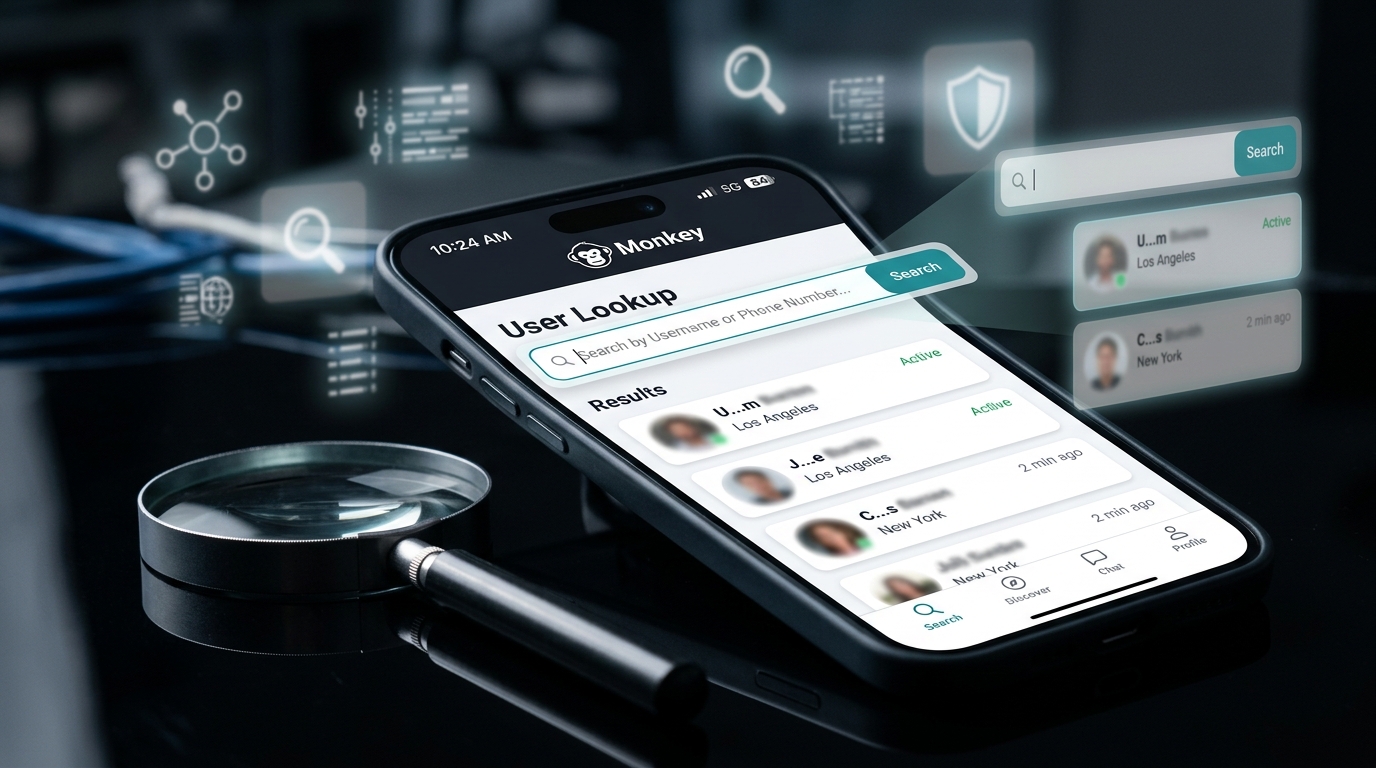
- Verify the caller’s identity. If you receive a suspicious call, hang up and contact the organization directly using the official phone number from their website. You can also use the Social Catfish’s Reverse Lookup feature and identify if a number is legitimate.
- Block and report scam calls. Most smartphones allow you to block specific numbers, and you can report fraudulent calls to the FTC (Federal Trade Commission) or your country’s fraud prevention agency.
If you’re unsure whether a call is real, our Search Specialist service can help check if a phone number has been linked to scams. Running a quick search can reveal warning signs and prevent you from falling victim.