
 Multiple Faces Detected


 February 3rd, 2026
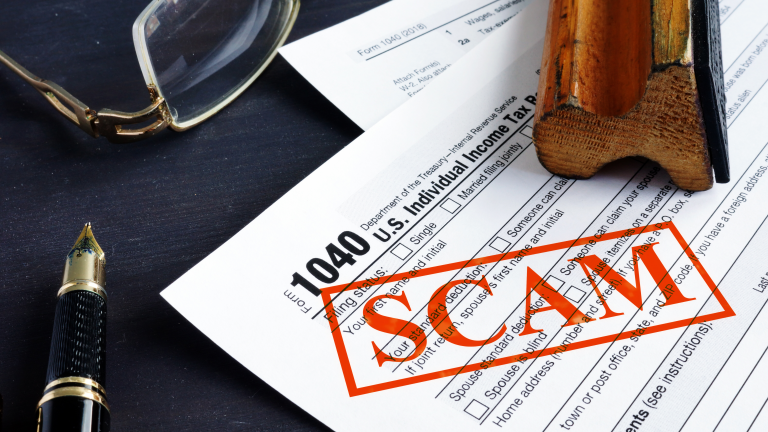
Every year, scam calls pretending to be from the IRS spike around tax season. These callers sound convincing, threatening legal action or arrest if you don’t pay your “back taxes” immediately. And unfortunately, thousands fall for it.
In 2024, the IRS looked into over 1,400 tax crime cases and found $5.5 billion in fraud. More than 650 people were sent to prison, many for scams that fooled regular taxpayers.
The majority of these victims had no idea the IRS doesn’t even make those kinds of calls. With robocalls and spoofed numbers on the rise, it’s getting harder to tell real from fake.
Knowing the red flags of IRS tax scams could save you from serious financial trouble. Here’s what to watch for and how to stay safe.
What are IRS Scams?

IRS scams involve criminals pretending to be IRS agents, government officials, or debt collectors to pressure you into paying taxes or fees you don’t owe. They often claim you made a mistake on your tax return or failed to report income, then demand immediate payment to avoid legal trouble.
Back tax scams usually happen by phone, but scammers also use emails, text messages, fake websites, and even mailed letters to look more convincing. Many scammers use caller ID spoofing and AI voice cloning to make it seem like the IRS is calling, even though it’s not.
They may ask for unusual forms of payment, such as gift cards, wire transfers, or cryptocurrency, none of which the IRS ever uses.
In some cases, the scam isn’t about money at all. Instead, scammers try to steal your personal information, which they can then use to commit identity theft or file false tax returns in your name.
The Latest IRS Scams (Including Dirty Dozen Tax Scams)
The “Dirty Dozen” is the IRS’s annual list of the most dangerous tax scams. It highlights the latest tricks scammers are using to steal money, personal information, or tax refunds. These scams change each year, and many run year-round, not just during tax season.
Let’s go over some of the most common IRS scams, along with key scams featured in the latest Dirty Dozen list:
Phishing Emails and Texts
Scammers send emails or text messages that look like they’re from the IRS or a tax service. The message usually says there’s an issue with your refund or return, and it urges you to click a link or download an attachment.
The fake website might ask for your Social Security number, bank details, or login credentials, highlighting the importance of securing personal information.
IRS Impersonation Phone Calls
This scam starts with a phone call from someone who claims to be an IRS agent. The caller says you owe back taxes or made a mistake on your return.
They may sound aggressive, threatening you with arrest, license suspension, or wage garnishment unless you pay immediately. Often, they demand unusual forms of payment like gift cards or cryptocurrency, which are hard to trace.
If you’ve gotten a call like this and it didn’t sit right, running a reverse phone lookup on Social Catfish can help reveal if others have flagged the number for fraud.
Ghost Tax Preparers
Some tax preparers intentionally avoid signing your tax return, which leaves you responsible for any false information or errors they include.
These individuals may promise large refunds or encourage you to claim credits you don’t qualify for. They often operate without proper credentials and disappear after filing, leaving you to deal with IRS penalties and audits.
IRS Online Account Setup Scam
Scammers pose as helpful individuals offering to set up your IRS online account. But instead of assisting you, they collect your personal data, including your full name, birthdate, address, and Social Security number.
With that, they can take control of your IRS account, reroute refunds, or commit identity fraud.
Charity Scams
Fake charities pop up, especially after natural disasters or major news events, and ask for donations. These scams often use emotional stories to push you into sending money quickly.
The scammer might claim your donation is tax-deductible and request payment via gift cards or money transfers, but the funds never go to any real cause.
Fuel Tax Credit Scam
The fuel tax credit is designed for businesses that use fuel in off-road operations, like farming or construction.
Scammers encourage everyday taxpayers to claim this credit even when they’re not eligible, often by filing a return for them. If the IRS catches the false claim, you, not the scammer, will face fines or audits.
Sick and Family Leave Credit Scam
This scam involves falsely claiming pandemic-era sick and family leave credits. Originally meant for self-employed individuals who were unable to work due to COVID-19, some fraudsters now offer to help people file for these credits even if they don’t qualify.
The returns may be filed without your knowledge or consent, and the money goes to the scammer.
Self-Employment Tax Credit Scam
Scammers promote a made-up tax credit for self-employed individuals, convincing freelancers and gig workers to file fake claims.
They might charge a fee to “help” with the process or keep your personal information for future fraud. Since the credit doesn’t exist, the IRS may flag your return and delay your refund.
W-2 Tax Scam
Scammers often target companies by impersonating executives or HR staff, tricking employees into sending W-2 forms. These documents contain sensitive information like names, addresses, Social Security numbers, and earnings.
Businesses of all sizes have been affected by this form of fraud. W-2 tax fraud is particularly dangerous because it affects individual employees and can result in data breaches and serious legal trouble for the business if left unaddressed.
Offer in Compromise Mills
This scam targets people with large tax debts. Companies advertise that they can settle your IRS debt for a fraction of the amount owed. But in most cases, these promises are false.
They charge high upfront fees and either do nothing or file applications that don’t meet IRS requirements, leaving you in deeper trouble.
Social Media Tax Advice Scams
Fake tax tips circulate on platforms like TikTok and Facebook, often encouraging people to inflate their income or create fake businesses to qualify for bigger refunds.
Influencers or bots promote some of these posts. Following this advice can get your return flagged or lead to serious fines if the IRS finds out.
Tax Lien Scams
Another fraud to watch out for is the fake tax lien scam. Here, scammers claim you owe taxes on a property and must pay immediately to avoid seizure.
These tax lien scam tactics are especially common among Spanish-speaking communities and often come with fake documentation to increase pressure.
AI-Powered Scams
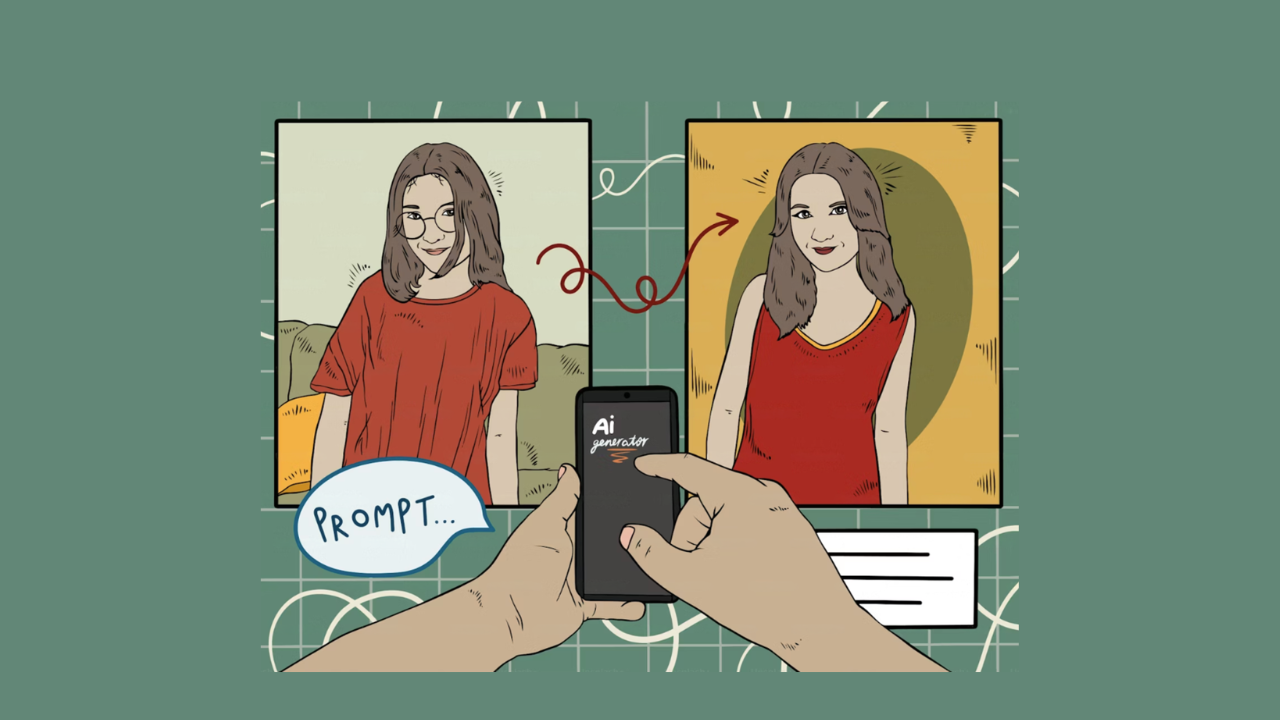
Scammers now use AI tools to create convincing fake messages, audio clips, or even deepfake videos of IRS officials.
These messages may include personalized details to gain your trust and make the fraud seem more real. Because they are so convincing, people often fall for them before realizing the warning signs.
Red Flags of a Back Taxes Scam Call
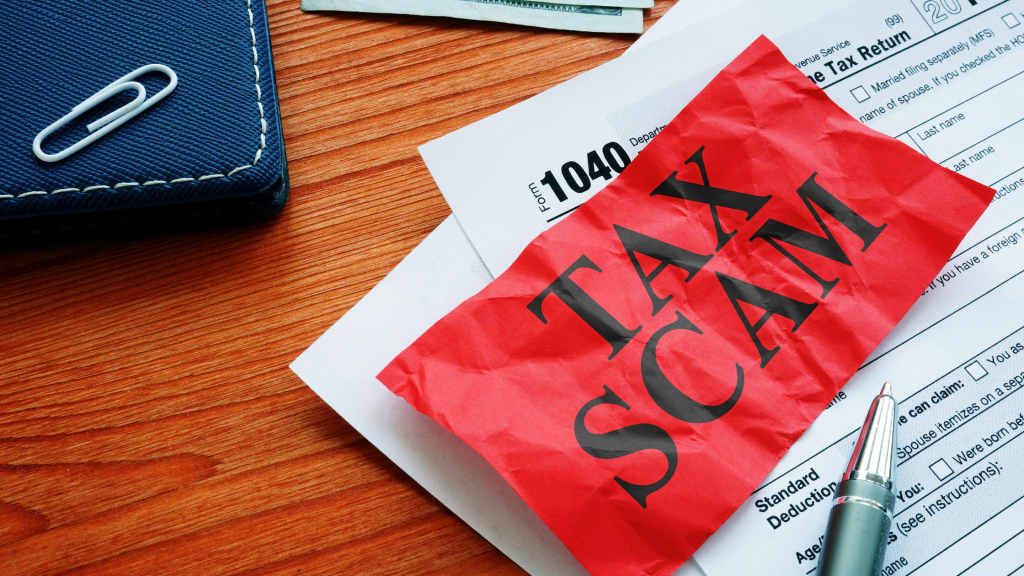
If someone calls saying they’re from the IRS and demands money for back taxes, watch out. Scammers often follow the same patterns.
If the call includes anything like this, it’s likely a scam:
- The IRS doesn’t start by calling you. They always send letters in the mail first. If you’ve never heard from them before and suddenly get a call, it’s not real.
- Scammers can fake the phone number to make it look like the IRS is calling. It may even show a number from the IRS website. Just because it looks official doesn’t mean it is.
- If the caller says you’ll be arrested or go to jail if you don’t pay right now, hang up. The IRS doesn’t arrest people over the phone. You can’t go to jail just for owing taxes.
- Scammers may say your driver’s license or business license will be taken away. That’s not true. The IRS doesn’t have the power to do that in a phone call.
- Scammers will often say you have to stay on the phone and pay right away. They don’t want you to talk to anyone or check if it’s real. A real IRS agent would never do that.
- If someone asks you to pay with gift cards, wire transfers, or crypto, it’s a scam. The IRS never takes payment that way.
Final Word
IRS impersonators are getting better at what they do, using scam caller IDs, personal details, and even AI-generated voices to sound real. If you’ve already received a scam call or think someone may have accessed your personal information, don’t wait for things to get worse.
Our team of online search specialists at Social Catfish helps people track down scammers, verify identities, and determine whether their information is being misused. We’ve helped thousands of people take back control after being hit with impersonation or fraud.
Let’s hear directly from someone we helped:
“Erin was great! She was patient, kind and understanding. Thank you for hiring Erin! She is knowledgeable, thorough and efficient. She took care of my issue immediately and reassured me that everything was taken care of. Thank you Erin!” – Do Ma