

 Multiple Faces Detected



 June 18th, 2025
Introduction
Every year, the Internal Revenue Service (IRS) publishes a list of the most common and dangerous tax scams affecting individuals and businesses. Known as the “Dirty Dozen,” this list is a powerful warning and educational tool. These scams evolve each year but consistently include tactics like phishing, identity theft, and fraudulent tax preparers. If you file taxes in the U.S., it’s essential to understand these threats and learn how to protect yourself.
In this article, we break down what the IRS “Dirty Dozen” is, explore some of the most notorious scam tactics, and provide clear tips on how to avoid falling victim, plus how Social Catfish can help safeguard your identity.
What is the IRS ‘Dirty Dozen’?
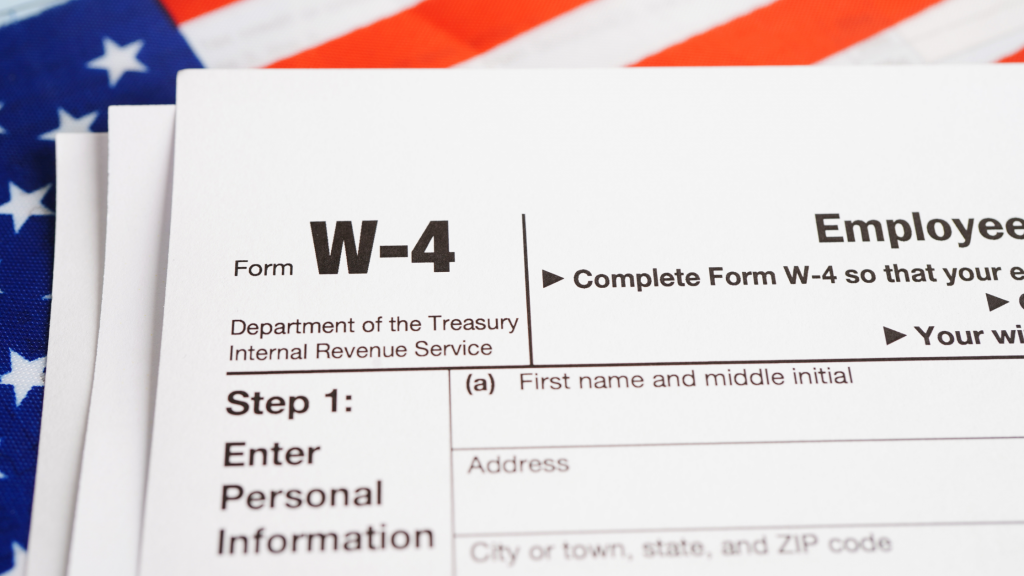
The IRS Dirty Dozen is an annual list of the most prevalent and dangerous tax-related scams identified by the Internal Revenue Service. This compilation serves as both a warning and an educational tool for taxpayers and tax professionals.
The Dirty Dozen covers a range of schemes, from phishing emails to complex identity theft operations. While the list evolves yearly to reflect new threats, the goal remains the same: alert the public to scams that exploit the tax system for fraudulent gain.
Here’s why it matters:
- Scammers ramp up their activities during tax season when people are submitting sensitive personal and financial data.
- Criminals target both individuals and tax professionals, increasing the risk of data breaches and financial fraud.
- Awareness is your first line of defense. Understanding these scams helps you take proactive measures.
Common Scam Tactics Used
Scammers constantly adapt, but several core strategies appear regularly on the Dirty Dozen list. Here are some of the most common tactics:
1. Phishing and Smishing
Fraudulent emails (phishing) and text messages (smishing) impersonate the IRS or financial institutions. Victims are tricked into providing personal information or clicking on malicious links. If you’ve received suspicious emails, read this guide on what to do if you encounter a tax return email scam.
2. Phone Scams
Scammers pose as IRS agents, threatening arrest, license suspension, or lawsuits unless immediate payment is made. These calls often involve spoofed phone numbers to appear legitimate. A common variation is the back taxes scam call, where the fraudster claims urgent action is required.
3. Identity Theft
Using stolen Social Security numbers or personal information, fraudsters file fake tax returns to steal refunds. Victims often find out when their legitimate return is rejected.
4. Fake Tax Preparers
Some tax preparers promise big refunds but inflate deductions or credits fraudulently. Others steal client information or charge exorbitant fees without proper disclosure.
5. Fake Charities
In the wake of natural disasters or global events, scammers set up fake charities to exploit generosity. They solicit donations and steal financial data.
6. Tax Avoidance Schemes
Promoters push illegal strategies, such as hiding income in offshore accounts or misusing trusts to avoid taxes. These can lead to severe penalties for participants.
7. IRS Impersonation Targeting Specific Groups
Scammers often target college students or employees using .edu emails. Learn how this IRS imposter scam targets college email addresses and how to avoid falling victim.
8. Fraudulent Tax Firms
Not all scams are fly-by-night operations. Some disguise themselves as legitimate businesses. For example, Tax Group LLC Scam is a fraudulent scheme that targets taxpayers and businesses by offering them false promises of reducing their tax liabilities.
How to Avoid These Scams (Tips & Examples)
Protecting yourself from IRS tax scams requires a mix of awareness and practical action. Here are proven ways to protect yourself:
- Verify all IRS communications.
The IRS does not initiate contact by phone, text, or email to demand payment or threaten arrest. Always treat unexpected messages with caution and confirm their legitimacy through official IRS channels. For steps on how to handle impersonation attempts, check out this guide. - Be selective with your tax preparer.
Use the IRS directory to verify credentials, and avoid preparers who promise unusually large refunds or base their fees on your refund size. These are red flags for fraud or misrepresentation, frequent tactics highlighted in the Dirty Dozen list. - Secure your personal information online and offline.
Use strong, unique passwords and enable two-factor authentication on tax-related accounts. Don’t access or submit tax information over public Wi-Fi. Also, shred physical documents like old tax forms and financial statements to guard against dumpster-diving scams.
Understanding these red flags and taking small but intentional steps can go a long way in protecting your personal data and financial well-being during tax season.
What to Do If You Suspect a Scam
If you believe you’re being targeted or have already been scammed, take immediate action:
- Report It:
- Report phishing emails to [email protected].
- Report tax preparer misconduct to the IRS Return Preparer Office.
- File Form 14039 (Identity Theft Affidavit) if your identity has been stolen.
- Follow this guide to report IRS impersonation scams.
- Freeze Your Credit:
- Contact the major credit bureaus (Experian, Equifax, TransUnion) to place a freeze.
- Alert the FTC:
- File a report at IdentityTheft.gov.
- Secure Your Accounts:
- Change passwords and monitor bank activity.
- Be Proactive About Online Safety:
- Use Privacy Lock to safeguard your personal information and stay ahead of identity thieves. Plus, check if your passwords have been leaked by visiting our password breach checker.
How Social Catfish Can Help
Social Catfish specializes in preventing online fraud and identity theft, key components of IRS-related scams. Our tools are designed to help you:
- Verify Identities: If someone contacts you claiming to be from the IRS, our tools help confirm if they’re legitimate.
- Detect Data Exposure: Run searches to see if your social information, such as name, email, or phone number, has been involved in a data breach.
- Investigate Scammers: Upload an image or enter a suspicious email, phone number, or social media profile to verify identities.
- Prevent Future Scams: With our Privacy Lock tool, you can monitor your digital footprint and catch threats early.
- Search Specialist Services: For high-stakes or complex cases, such as recovering lost funds, uncovering romance scams, or verifying someone’s true identity, our Search Specialist team offers hands-on, expert-level investigations. With access to over 300 trusted data sources and nearly a decade of experience solving online fraud cases, we help you get real answers fast when standard searches aren’t enough.
FAQs
Q1: How often does the IRS update the Dirty Dozen list?
The list is updated annually, usually during the start of tax season (January–April), but the IRS may issue alerts year-round.
Q2: Can the IRS call me if I owe taxes?
Yes, but they will first send multiple letters in the mail. IRS calls are rare and never involve threats or demands for immediate payment. Learn how to spot IRS back taxes scam calls.
Q3: What if I gave my information to a scammer?
Act quickly. File an identity theft affidavit (Form 14039), alert your financial institutions, and monitor credit reports. Tools like Social Catfish can help track your exposure.
Q4: Are tax scams only a problem during tax season?
No. While activity spikes during tax season, scams occur year-round, especially after natural disasters or the rollout of government benefits.
Conclusion: Stay Aware, Stay Safe
The IRS Dirty Dozen tax scams highlight the importance of staying informed during tax season. These scams are designed to exploit trust, urgency, and fear, but with the right knowledge and tools, you can stay one step ahead.
Please don’t wait until it’s too late. If you’re unsure about a message, identity, or financial transaction, verify before you trust.
Need help identifying a scam or suspicious person?











