
 Multiple Faces Detected


 May 12th, 2025
Experian’s fraud alert is a free service that adds a warning to your credit report, instructing lenders to take extra steps to confirm your identity before approving new credit.
Over one million cases of identity theft were reported in the United States in 2023, reflecting a troubling rise in the frequency and complexity of fraud schemes.
Criminals are no longer limited to stealing payment details; they are now impersonating individuals to open fraudulent accounts, secure unauthorized loans, and exploit personal data in numerous ways.
This blog will explain how Experian’s fraud alert works, what protection it offers, who should consider activating it, and how to set it up easily.
The Growing Risk of Identity Theft
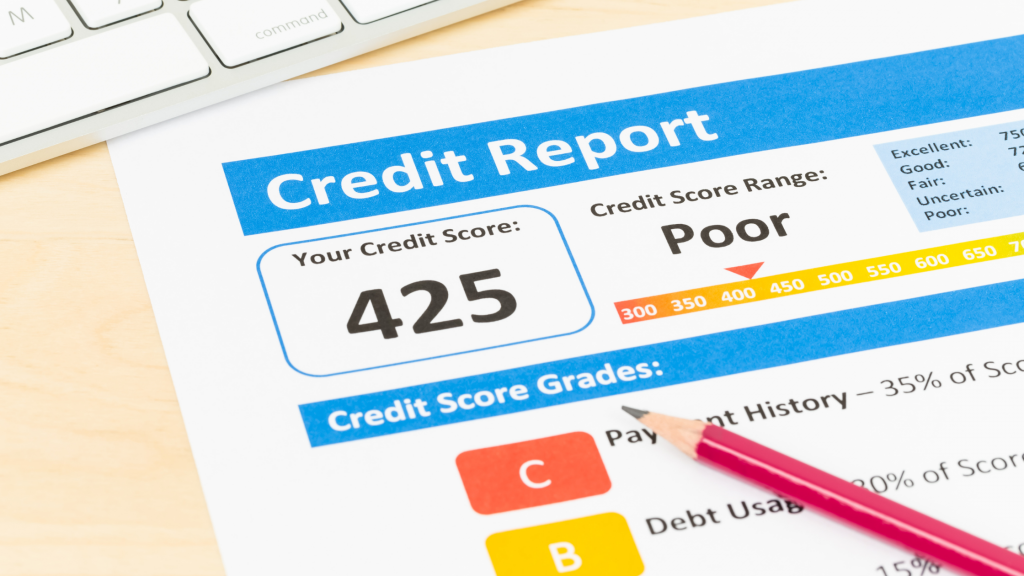
The Identity Theft Resource Center reported a record 3,205 publicly disclosed data breaches in 2023, the highest ever in a single year.
These breaches exposed sensitive information such as names, addresses, Social Security numbers, and financial account details, making it easier than ever for criminals to commit fraud.
The consequences for individuals can be long-term. Identity theft can lead to unauthorized loans, damaged credit scores, and difficulty securing housing or employment. Many victims also face prolonged disputes with banks and creditors while trying to prove the fraud.
If you suspect your information has been misused, a free background check on suspicious profiles can help reveal whether your data is being used on dating apps, social platforms, or forums without your consent.
How Identity Theft Happens Today
Identity theft no longer depends on stolen wallets or lost mail. It begins with information that’s already exposed or easy to collect.
- Credential stuffing: In credential stuffing, criminals use stolen login details from one breach and try them on multiple sites, often gaining access to personal accounts.
- Synthetic identity fraud: Fraudsters combine real and fake information, like using a stolen social security number with a false name, to create new identities that are then used to open accounts or apply for credit.
- Public data scraping: This involves taking data from social media and unsecured websites, giving attackers details like birthdays, addresses, or relatives’ names. This makes it easier for them to answer security questions and pass identity checks.
Scammers may set up fake profiles, use strange phone numbers, or send emails that look like they’re coming from you. With a reverse lookup tool from Social Catfish, you can find out where your personal information is being used online.
What Is an Experian Fraud Alert?
Experian’s fraud alert is a must-have identity theft protection tool for anyone worried about fraud. Its purpose is to notify creditors that they must take extra steps to verify your identity before approving any new credit application.
This alert is especially helpful if you suspect that your personal information has been exposed or if you have already been a target of identity theft.
Once placed, the fraud alert is automatically shared across all three major credit bureaus: Experian, TransUnion, and Equifax. This makes sure that any lender checking your credit through any bureau will receive the same warning.
The alert tells lenders to take additional precautions, such as contacting you directly, before extending any credit.
Here are some key features of Experian’s fraud alerts:
- There is no cost to place or renew a fraud alert.
- You can set it up online or by phone in just a few minutes.
- The alert stays active for 12 months and can be renewed annually.
- Once activated with Experian, the alert is automatically shared with TransUnion and Equifax.
- Adding a fraud alert does not affect your credit score.
How to Set Up an Experian Fraud Alert
Setting up an Experian fraud alert is straightforward and typically takes only a few minutes.
Here’s what to expect:
- Visit the official Experian website and select the option to “Place a Fraud Alert.”
- Provide your personal details, including your full name, address, Social Security number, phone number, and email.
- Submit a valid government-issued ID if you are requesting an extended fraud alert.
- Verify your identity through a phone or email confirmation.
After activation:
- The alert is placed within 24 hours on your Experian credit file.
- Experian automatically notifies TransUnion and Equifax, so the alert appears on all three major credit reports.
- Lenders are required to contact you directly to verify your identity before issuing any new credit.
Types of Fraud Alerts and How They Differ
Not all fraud alerts are the same. Depending on your situation, you may need a standard alert, something stronger, or even a freeze on your credit file. Here’s how the main options compare:
Initial Fraud Alert
The initial fraud alert is the most widely used and accessible option. It’s designed for people who believe their data might be at risk, whether due to a phishing email, a data breach, or suspicious activity on their accounts.
Once placed, this alert instructs lenders to take extra steps to verify your identity before approving any new credit.
Best of all, when you activate it through Experian, it’s automatically shared with TransUnion and Equifax, so all three credit bureaus display the same warning.
Extended Fraud Alert
An extended fraud alert offers a much stronger line of defense, especially for individuals who have already experienced identity theft. This version stays active for seven years and requires creditors to use more advanced methods to confirm your identity.
To activate it, you’ll need to provide documentation, such as a police report or an FTC complaint. This makes it harder for fraudsters to misuse your information through third-party apps and services, a common tool for identity theft.
Active Duty Alert
The active duty alert is a unique option created for military members. If you’re deployed and may not be able to monitor your financial activity regularly, this alert helps protect your credit from unauthorized use while you’re away.
It functions similarly to the initial alert by requiring identity checks before new credit can be issued. It also removes your name from pre-approved credit and insurance offers. The alert lasts for 12 months and can be renewed as long as your deployment continues.
Credit Freeze
While not technically a fraud alert, a credit freeze is another powerful tool often used for identity protection. Instead of just warning lenders, a credit freeze blocks any access to your credit report entirely.
This means no new credit can be issued unless you manually lift the freeze yourself. It’s an excellent option if you want the highest level of control over your credit, especially if you’re not planning to apply for anything soon.
Who Needs a Fraud Alert the Most?
A fraud alert is especially helpful for:
- Data breach victims: If your details were exposed in a breach, a fraud alert can help prevent criminals from using them to open accounts.
- Phishing or scam targets: Shared sensitive info by mistake? A fraud alert ensures lenders verify your identity before approving credit.
- Active-duty military personnel: An active duty alert protects your credit while you’re deployed and unable to monitor activity.
- Seniors and retirees: Scammers often target older adults. A fraud alert helps stop unauthorized accounts before they’re opened.
- Victims of identity theft: If you’ve already been affected, an extended fraud alert provides seven years of extra protection and stronger verification requirements.
Placing a fraud alert is free, fast, and one of the easiest ways to reduce your risk of credit fraud.
What to Do If You’re a Victim of Credit Fraud

If someone has opened a loan or credit account in your name, or attempted to, you’re dealing with credit fraud, a serious form of identity theft. Acting quickly can limit the damage and make recovery much easier.
File a Report with the FTC
Go to IdentityTheft.gov and submit a report. This creates a legal record of what happened and provides a personalized recovery plan you can use when contacting creditors, lenders, and the credit bureaus.
Consider an Extended Fraud Alert
Once you’ve filed an FTC report or police complaint, you’re eligible for an extended fraud alert. This alert lasts for seven years and requires lenders to verify your identity with more scrutiny before approving credit.
Seek Help from a Search Specialist
Identity theft doesn’t always stop at your credit file. In many cases, scammers use your details to create fake online profiles, target your contacts, or even commit fraud in your name.
They also steal your photos to set up fake social media or dating accounts. For this, you can use facial recognition search to find fake profiles and see where your image is being used online.
If you feel like someone is still out there using your identity, working with an expert can make all the difference. Social Catfish’s search specialists help track down impersonators, expose hidden profiles, and uncover digital trails that traditional tools can’t.
Hear it straight from one of our customers:
“I had a wonderful experience! It was so good to be able to speak with such a knowledgeable, friendly agent as REJ. Very, very cooperative, and so pleasant. I would highly recommend Social Catfish to everyone! Thank you again!” – Nancy Neubaum