
 Multiple Faces Detected



 May 13th, 2025
The FBI has issued a warning about a rise in electoral fraud tied to the 2024 U.S. general election. Scammers are impersonating political campaigns through fake donation platforms and counterfeit merchandise, deceiving voters across the country.
These schemes often mimic legitimate campaigns, using official logos, slogans, and websites. The resemblance is close enough to fool even cautious individuals.
Trust in elections is already fragile, and each scam further erodes public confidence. When voters begin to doubt the legitimacy of campaign communications, the foundation of democratic participation is weakened.
This article explains how these scams work, why they are effective, and how to recognize them.
What Is Electoral Fraud?
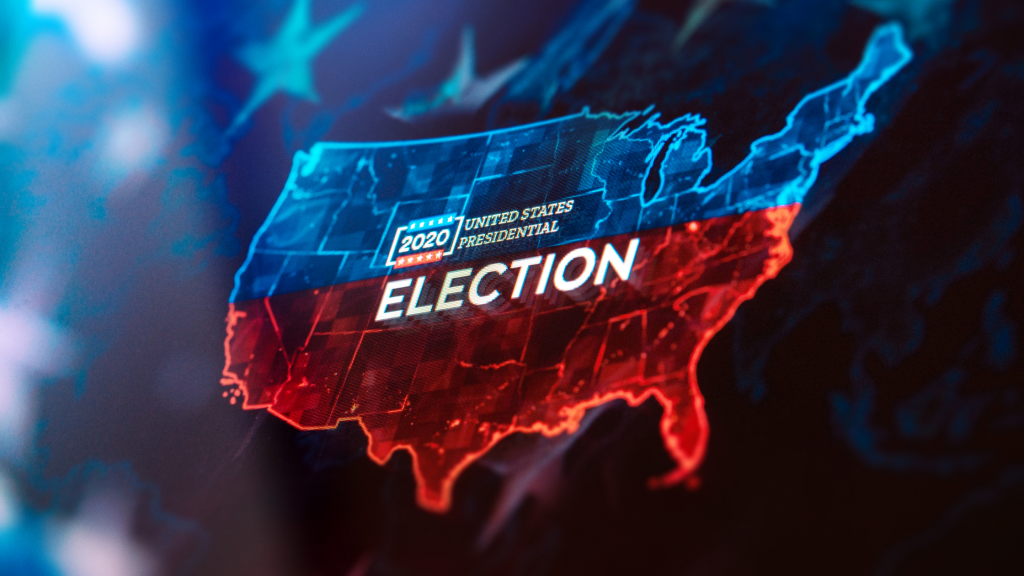
Electoral fraud is the deliberate manipulation of the electoral process through illegal or deceptive means. This includes tampering with ballots, falsifying voter registration, vote buying, or interfering with vote counting to alter results.
In today’s context, electoral fraud also includes online schemes that impersonate campaigns to steal money or personal data. These actions may not change vote totals but damage public trust and disrupt democratic participation.
Electoral fraud’s core aim is to distort outcomes or mislead voters. It threatens the legitimacy of elections and weakens confidence in democratic institutions.
How Electoral Scams Are Designed to Trick Voters
Electoral scams are structured to resemble legitimate campaign communications. They rely on visual accuracy, emotional appeal, and timing to deceive voters and collect money or personal data.
Key tactics include:
- Impersonation of Candidates or Political Parties: Scammers replicate official websites, logos, and slogans to create convincing fake platforms.
- False Donation Portals: Fraudulent websites solicit donations, capturing both financial and personal information without delivering any legitimate support to real campaigns.
- Counterfeit Campaign Merchandise: Items such as hats, shirts, or stickers are advertised and sold under a candidate’s name but are never delivered.
- Urgent Messaging: Scammers use phrases like “last-minute fundraising goal” or “immediate action required” to pressure quick responses without verification.
- Ideological Alignment: Messages are tailored to reflect the voter’s political views, increasing the likelihood of trust and engagement.
By copying the style and presentation of authentic campaigns, these scams pass as genuine and often go unnoticed.
Stay ahead of election-related fraud with investigation tools from Social Catfish designed to verify people and online accounts.
Types of Electoral Fraud You Should Know
Criminals take advantage of the attention and fast pace of the election season to trick people. These scams are meant to fool voters, steal money, and collect personal information, often by pretending to be part of real political campaigns.
Campaign Investment Pool Scheme
In this scam, individuals are promised a financial return if they “invest” in a pooled fund meant to support a political candidate’s campaign.
Victims are told the fund will grow and be paid back after the candidate wins. They are also encouraged to recruit others to increase their supposed share of the payout.
In reality, there is no legitimate investment, and the funds are stolen.
Scam Political Action Committees (PACs)
Victims are contacted by individuals posing as representatives of legitimate PACs, including Super PACs or official campaign committees. Believing they are making a lawful contribution, victims send money that scammers pocket instead.
These fake PACs have no real connection to any candidate or political organization.
Merchandise Online Purchase Scam
Scammers set up websites or ads selling political merchandise, such as shirts, hats, or banners, with a candidate’s branding.
These sites are not affiliated with official campaigns. After payment is made, the merchandise is never delivered. This is a classic non-delivery scheme that exploits voter enthusiasm during the election season.
Scam Voter Registration
Victims often receive fraudulent messages by text or email claiming they are not registered to vote.
The message contains a link to a fake voter registration site designed to collect sensitive personal information, such as name, address, date of birth, and sometimes even Social Security numbers. This data is then used for identity theft or to launch further scams.
To verify the source of suspicious messages or websites, reverse lookup tools offered by Social Catfish can help identify who is behind an email, phone number, or domain.
Deepfake Content
AI-generated videos and audio recordings are being used to impersonate political candidates. These materials spread false information, manipulate public opinion, and damage reputations.
Their realistic appearance makes them difficult to detect without careful analysis. Here are red flags to watch out for when verifying online identities that can help spot even convincing fakes.
Robocall Misinformation
Automated calls deliver false details about voting procedures, such as incorrect polling locations, voting dates, or eligibility rules. These calls are designed to confuse voters and suppress turnout by providing misleading or contradictory instructions.
Fake Surveys and Polls
What appears to be a legitimate political poll often turns into an attempt to gather personal data. After asking a few political questions, they request personal information under the pretense of identity verification or prize eligibility.
The collected data is then used for fraud or sold to third parties.
The Impact of Electoral Fraud on Voter Trust
Electoral scams do more than trick people out of their money. They weaken the trust that holds elections together. Every successful scam, whether it’s a fake donation page or a false voter registration site, makes it harder for people to believe in fair and secure elections.
This harm affects voters, campaigns, and public institutions in several serious ways:
Reduced Confidence in Political Communication
When voters encounter scam websites, emails, or messages disguised as official campaign material, it becomes difficult to trust any political outreach.
Even legitimate campaigns can be viewed with suspicion. As a result, communication between candidates and the public breaks down, making it harder for voters to engage with accurate information.
Monetary Losses and Financial Harm
Electoral scams have led to major financial losses for voters. People are tricked into donating, buying merchandise, or investing in fake campaigns, thinking they are supporting a political cause. In truth, the money is stolen.
Many cases go unreported, often due to embarrassment or the belief that nothing can be done, which means the total financial damage is likely underestimated.
Some schemes even disguise themselves as tax refunds or rebates. For example, the California Middle Class Tax Refund Card scam tricked victims into giving away sensitive financial information.
Voter Hesitation
Scams create doubt. A voter who has fallen victim to one, or knows someone who has, may choose to ignore future outreach altogether.
Others may avoid making political donations, registering online, or responding to campaign materials. In more severe cases, this doubt may extend to the voting process itself, leading individuals to opt out of participating.
Spread of Misinformation and Distrust
Scams like deepfakes and robocall misinformation can quickly spread false narratives. These tactics exploit emotions and reinforce partisan divisions, making voters more vulnerable to conspiracy theories and less likely to trust verified sources.
With deepfakes and fake media on the rise, verifying political content is just as crucial as spotting traditional fraud. Facial recognition tools can help confirm if an image or video is altered or reused.
Damage to Institutional Legitimacy
Public institutions such as election boards, voter registries, and campaign finance systems depend on trust to operate constructively.
When scammers impersonate these institutions, they compromise their credibility. This weakens the perceived legitimacy of election results and opens the door to further attempts to delegitimize democratic outcomes.
Lower Voter Turnout
All of the above factors contribute to a measurable decline in voter participation. Studies show that confusion, fear of fraud, and distrust in the system correlate with lower turnout, especially among first-time voters and marginalized groups.
The Cost of Data Breaches and Identity Theft
The damage from electoral scams often includes identity theft. Many schemes collect personal information, such as names, addresses, birth dates, and Social Security numbers, which is then used to:
- Open unauthorized credit accounts
- File fraudulent tax returns
- Access online banking systems
- Target victims with further scams
Victims may spend months or years repairing the harm. This includes legal costs, credit monitoring, lost income, and stress. Based on your risk level, you can also explore whether privacy guard credit monitoring is worth it.
Such breaches also reduce trust in online voting tools and public election systems, making digital participation less likely.
How to Recognize and Avoid Electoral Fraud

Electoral scams are designed to appear legitimate. To protect yourself, follow these key practices:
Be Cautious with Unsolicited Contact
Do not respond to unexpected calls, texts, emails, or surveys about political campaigns or voting. Do not share personal information or click on unknown links. You can find their linked social profiles by phone number if you’re unsure who’s behind a call or text.
Donations Are Not Investments
Campaign contributions do not yield returns. Any promise that a donation will grow in value or be paid back after an election is fraudulent.
Verify Political Committees
Confirm whether a Political Action Committee (PAC) is registered at www.fec.gov. Registration alone is not proof of legitimacy, review the committee’s history, transparency, and affiliations before donating.
Research Sellers Before Purchasing Merchandise
Before buying political merchandise online, check for verified reviews, search for complaints on www.bbb.org, and confirm the seller’s legitimacy.
Check Voter Registration Status Directly
Use www.vote.gov to confirm your registration. Avoid third-party links sent via email or text.
Watch for Inconsistencies
Look for errors in grammar, suspicious URLs, or visual inconsistencies. Even small details can indicate fraud.
Use Official Sources
Rely on verified government and election websites for accurate information. Do not trust social media posts or forwarded messages without checking their source.
Enabling two-factor authentication on your email and donation accounts also helps protect against electoral fraud and impersonation scams.
Connect with a Search Specialist
Working with professionals who specialize in online investigation can provide clarity and direction for individuals seeking help tracing digital fraud, verifying suspicious contacts, or recovering stolen data.
Social Catfish offers search specialist services that can assist in identifying scammers, confirming identities, and helping victims take the next appropriate steps. Our team combines digital expertise with investigative tools to support those affected by online deception during high-risk periods like election cycles.
Hear directly from someone we’ve helped:
“It was very quick and easy to use, actively searching for approximately hour. Got me more information than I ever intended. I would find. I would absolutely recommend this company. When I cancelled my subscription, it was painless, and extremely easy thank you, ERIN!!” – Lori Anne