
 Multiple Faces Detected


 January 21st, 2026
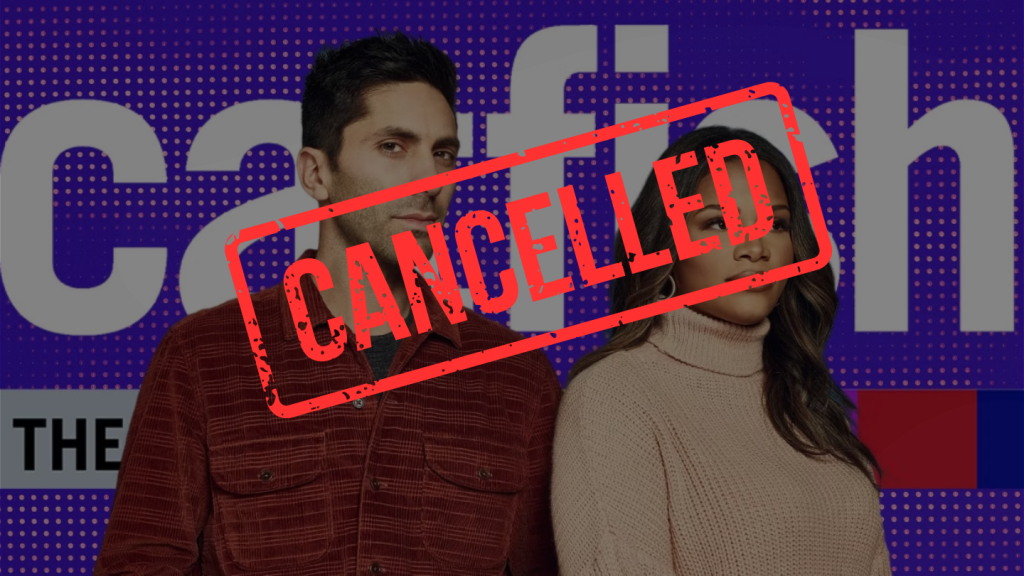
For over a decade, MTV’s Catfish was more than just reality TV; it was a cultural education program that taught millions of viewers how to spot the warning signs of online deception. Hosts Nev Schulman and Kamie Crawford became digital detectives, helping hopeful romantics discover whether their online love interests were real or elaborate fabrications.
But in 2024, after 178 episodes spanning eight seasons, the show quietly came to an end. The final episode aired without fanfare, leaving many viewers wondering: what happens now?
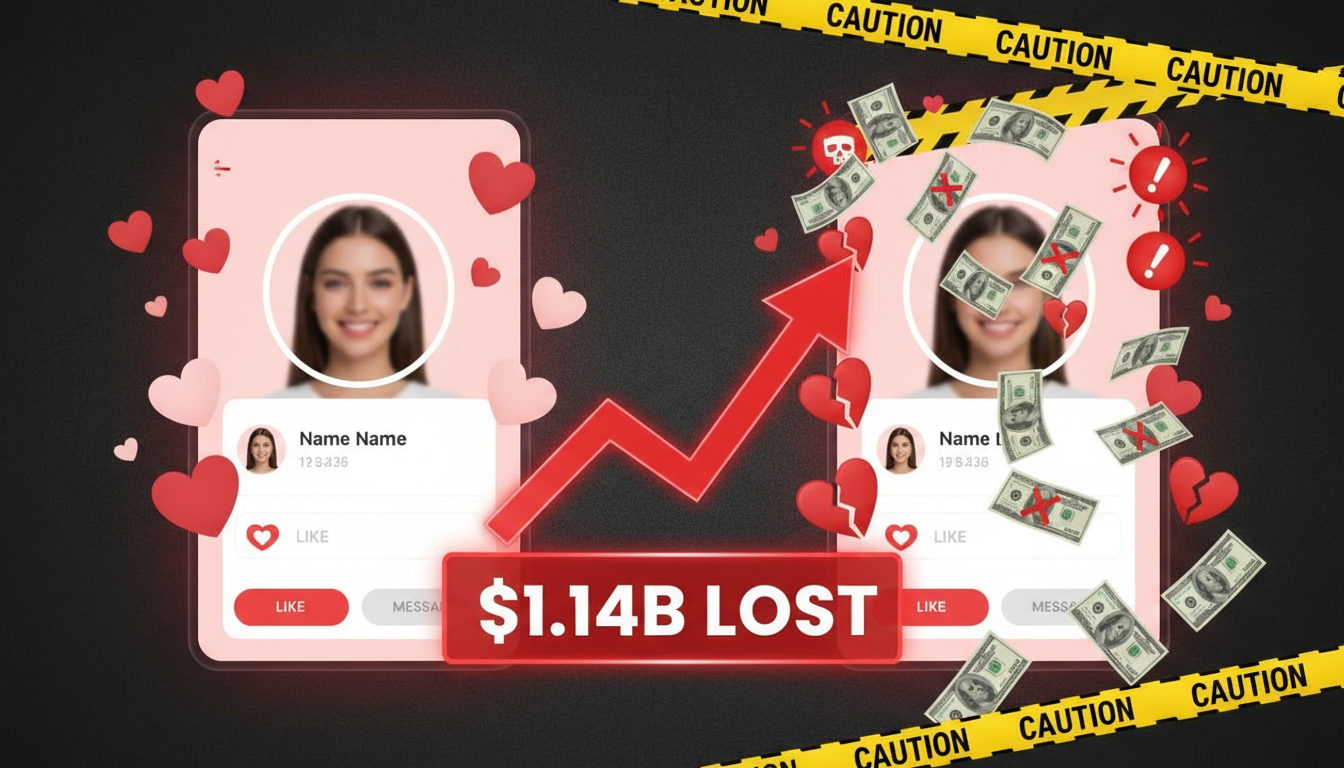
The timing is ironic. While the show that popularized the term “catfish” fades into reruns, the scams it exposed are exploding. Romance fraud hit $1.14 billion in reported losses in 2023, and experts warn the real number is much higher. With the show gone, who’s going to help people spot the red flags?
The good news? The end of Catfish doesn’t mean the end of the fight against online deception. Services like Social Catfish are picking up where the show left off, giving everyday people access to professional investigation tools that can unmask scammers before emotional and financial damage occurs. While MTV’s Catfish could help only a handful of people each season, these platforms are democratizing the investigative process for anyone who needs it.
Why Catfish Mattered More Than You Think
When Catfish premiered in 2012, it did something revolutionary. It took online deception out of the shadows and put it on primetime TV. The show followed Schulman and his cohosts as they investigated suspicious digital romances, often revealing heartbreaking truths about the people behind fake profiles.
The series coined the term “catfish” for mainstream audiences. It came from the 2010 documentary that inspired the show, where someone compared deceptive people to catfish that keep cod active during shipping. The name stuck. By 2014, Merriam-Webster added “catfish” to the dictionary.
But Catfish did more than create a buzzword. It educated millions about how to tell if someone is on dating sites and what warning signs to watch for. The show’s format was simple but effective. Someone suspects their online partner isn’t who they claim to be. Schulman investigates using reverse image searches, reverse phone lookups, and good old-fashioned detective work. Then comes the confrontation.
Some episodes ended in genuine connections. Others revealed elaborate deceptions that lasted years. And a few became legendary, like the woman who catfished her cousin for three years after he called her a “fat ass Kelly Price.”
The Scam Landscape Has Changed Dramatically
Here’s the problem. While Catfish was teaching people about online deception, scammers were evolving faster than the show could keep up.
Romance scams increased by 80% between 2019 and 2021. The average victim now loses $2,300, but some lose much more. People over 70 report median losses of $9,000 per scam. And those are just the cases that get reported. Experts estimate that only 2.8% of romance scams are actually reported, which means the true financial impact could exceed $526 billion.
The tactics have gotten more sophisticated, too. Scammers now use AI-generated photos that pass the reverse image search test. They create elaborate fake identities across multiple platforms. They spend months building trust before asking for money. And they’ve moved beyond simple romance scams into cryptocurrency investment schemes and other financial fraud.
Catfishing was declared the top dating scam in 2025, with 40% of people on dating apps reporting they’d been targeted. That’s a 10% increase from 2024. Facebook and Instagram remain ground zero, accounting for 23% and 13% of romance scams, respectively.
The show’s cancellation comes at a critical moment. Just as people need education about these evolving threats, the most visible source of that education disappears. Fortunately, platforms like Social Catfish have stepped up to provide both the tools and expertise necessary to combat these increasingly sophisticated scams. While MTV’s Catfish could only help a handful of people per season, Social Catfish makes professional-grade investigation tools available to anyone who needs them, offering a scalable solution to a growing problem.
The Red Flags You Need to Know
Just because Catfish is over doesn’t mean you’re defenseless. The show taught us valuable lessons that still apply today.
Watch for profiles that seem too perfect. If someone looks like a model and claims to be a successful entrepreneur who’s also a part-time humanitarian, be skeptical. Scammers often use stolen photos of attractive people to create fake identities.
Be wary of people who won’t video chat. In 2025, there’s no good reason someone can’t hop on a video call. Excuses about broken cameras or bad internet are red flags. And if they do video chat, watch for signs of fake video chat technology that scammers increasingly use.
Notice if the relationship moves too fast. Love bombing is a common tactic where scammers shower you with affection and attention early on. They want to create an emotional bond before you have time to think critically.
Never send money to someone you haven’t met in person. This seems obvious, but 78% of catfish perpetrators use emotionally manipulative tactics to control victims. They create urgent situations. They claim to be in trouble. They promise to pay you back. Don’t fall for it.
And always verify identities. Use reverse image searches to check if photos appear elsewhere online. Try a reverse phone lookup to see if the number matches the person’s claimed identity. Search for their name and location to see if their story checks out.
How Social Catfish Continues the Mission
While MTV’s Catfish may have ended, the need to verify online identities hasn’t disappeared—it’s only grown more urgent. This is where Social Catfish steps in to fill the void left by the show.
Social Catfish is a comprehensive online investigation platform that gives everyday people access to the same tools that were once only available to professionals. At its core, the service offers multiple reverse search capabilities that can help you uncover the truth about someone you’ve met online.
Reverse Search Tools
Social Catfish provides several specialized reverse searches, each designed to trace different types of digital footprints:
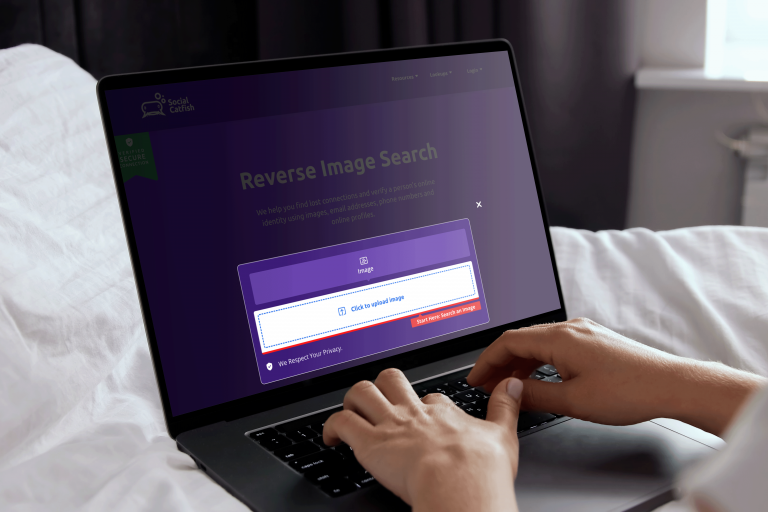
- Reverse Image Search: Upload a photo from a dating profile or social media account, and Social Catfish scans the web to find where else that image appears. This can quickly reveal if someone is using stolen photos.
- Reverse Email Search: Enter an email address to discover associated social media profiles, dating accounts, and other online presences linked to that address.
- Reverse Phone Search: Look up phone numbers to find the person behind them, including their name, location, and connected online accounts.
- Reverse Username Search: Search by username to track down all the platforms where that handle is being used, helping you build a complete picture of someone’s online presence.
- Reverse Address Search: Verify physical addresses and see who’s associated with a particular location.
What sets Social Catfish apart is their team of professional search specialists. If you’re dealing with a particularly complex case or need expert help interpreting your findings, you can work directly with trained investigators who specialize in uncovering online deception. These specialists can dig deeper than automated searches, following digital trails that might not be obvious to the average user and providing detailed reports on their findings.
In many ways, Social Catfish democratizes the investigative process that made MTV’s Catfish so compelling. You no longer need to wait for Nev and Kamie to take on your case, you have the power to investigate potential catfishers yourself, backed by professional tools and expert support when you need it.
Protecting Yourself in the Post-Catfish Era
The end of Catfish doesn’t mean the end of catfishing. If anything, scams will likely get worse as awareness fades.
But you can protect yourself. Stay skeptical of online relationships, especially with people you’ve never met. Use verification tools before you get emotionally invested. And trust your instincts. If something feels off, it probably is.
Remember that scammers are professionals. They know how to manipulate emotions. They study psychology. They practice their scripts. 80% of perpetrators use fake photos, and over 50% are active on multiple platforms simultaneously to maximize their reach.
Don’t feel embarrassed if you’ve been targeted. Approximately 15 million Americans have been targeted by catfishing scams, and the numbers are growing. The shame and embarrassment that keep 85% of victims from reporting incidents only help scammers continue their schemes.
If you suspect you’re being catfished, act quickly. Stop sending money immediately. Document everything. Run searches on Social Catfish to verify the person’s identity. And consider reporting the scam to the FBI’s Internet Crime Complaint Center or the Federal Trade Commission.
The Show May Be Over, But the Fight Continues

The end of MTV’s Catfish marks the close of an important chapter in online safety education, but it doesn’t have to leave victims without resources or hope. If anything, the show’s legacy has paved the way for more accessible, immediate solutions to online deception.
While Nev and Kamie brought catfishing into the mainstream conversation and helped dozens of people find answers, the reality is that millions of people face these threats every day. The show could only scratch the surface of a problem that continues to grow in scale and sophistication.
This is where platforms like Social Catfish become essential. They’ve taken the investigative methods that made Catfish compelling television and transformed them into tools that anyone can use, anytime they need them. You don’t have to wait for a TV crew to validate your suspicions or uncover the truth about someone you’ve met online. The power to investigate is now in your hands.