
 Multiple Faces Detected


 October 24th, 2025
You meet someone online. They’re attractive. Charming. Their profile photos look professional. Maybe too professional.
That’s the first red flag.
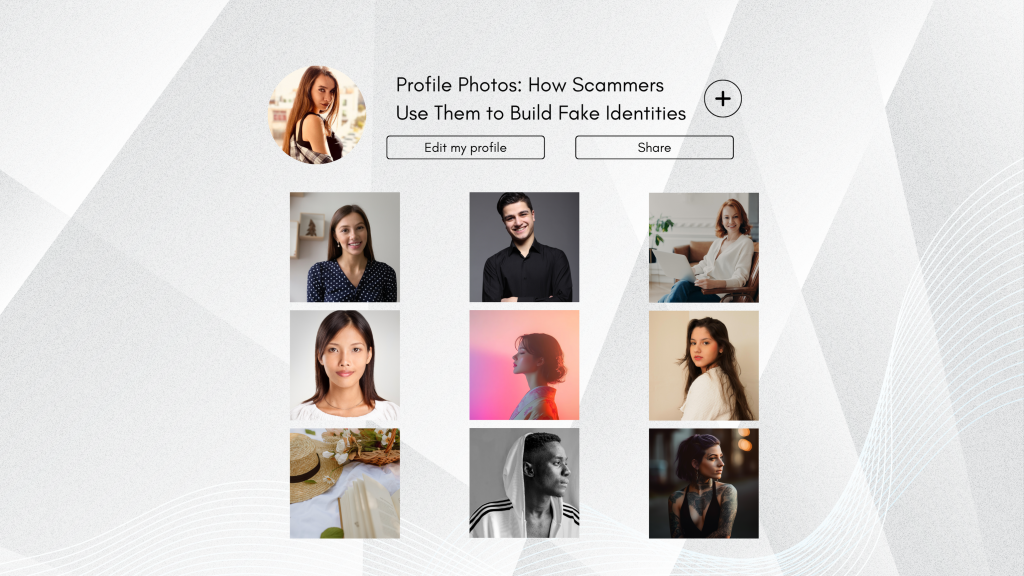
Every day, scammers steal thousands of profile photos from real people and use them to build fake identities. They’re not just grabbing random pictures. They’re strategic. They know exactly what works. And they’re getting better at it.
The person in those photos? They might be a model. An influencer. A soldier stationed overseas. Or just someone who posted their vacation photos publicly. The scammer doesn’t care. They just need a face that looks trustworthy enough to get you talking. And once you start talking, the trap is set.
Why Scammers Steal Profile Photos
Money. That’s the short answer.
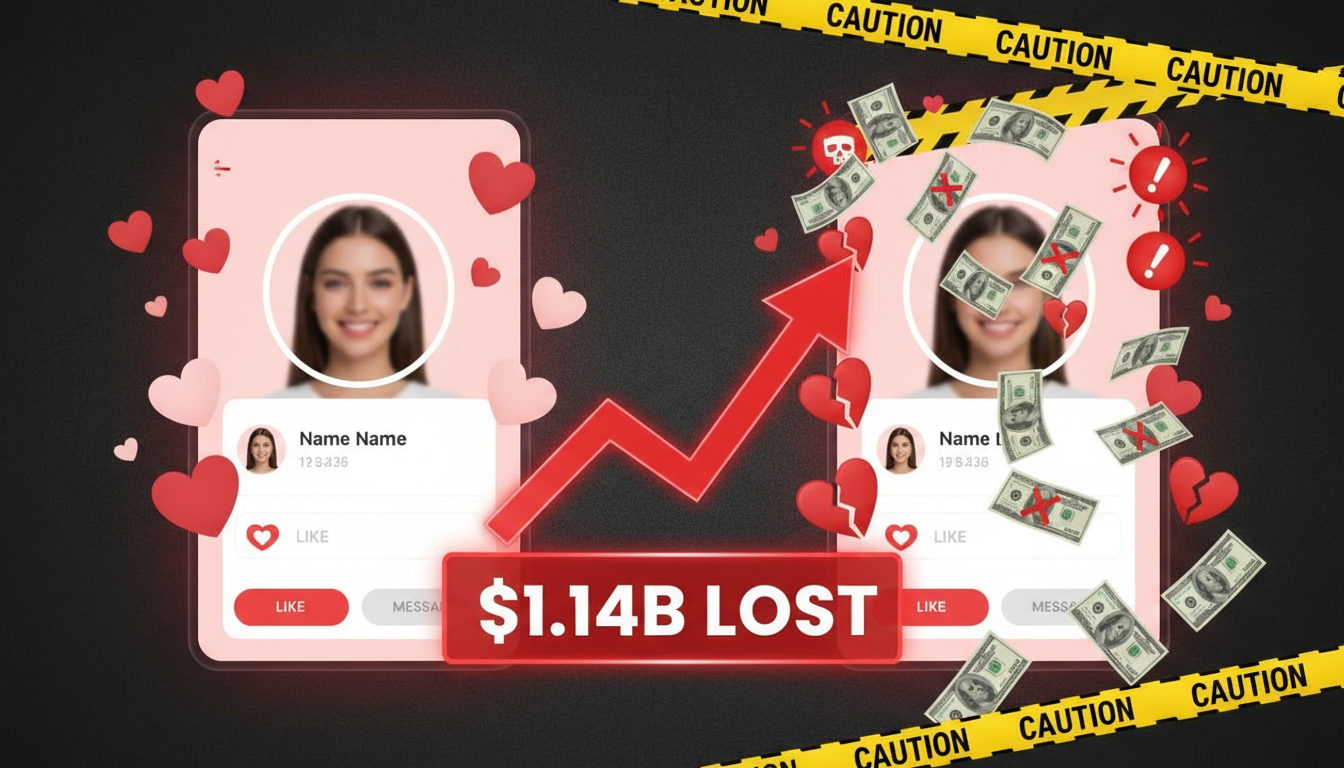
Romance scammers can make serious cash. According to the Federal Trade Commission, Americans lost over $1.3 billion to romance scams in recent years. One case involving stolen photos of cruise ship officer Alessandro Cinquini resulted in scammers stealing $1.4 million from victims.
But it’s not always about romance. Scammers use stolen profile photos for employment scams, fake business profiles, and even to spread hateful messages that ruin someone’s reputation. Social media impersonation has become a full-blown industry.
They create fake accounts on dating sites, Facebook, Instagram, and LinkedIn. Anywhere people trust profile photos. Then they start conversations. Build relationships. And eventually ask for money or personal information.
Where Scammers Find Profile Photos

Your social media accounts are a goldmine for scammers.
Public Instagram accounts. Facebook profiles with loose privacy settings. LinkedIn headshots. Even TikTok videos. If your profile photos are visible to everyone, scammers can grab them in seconds.
They don’t need hacking skills. Right-click, save image. Done.
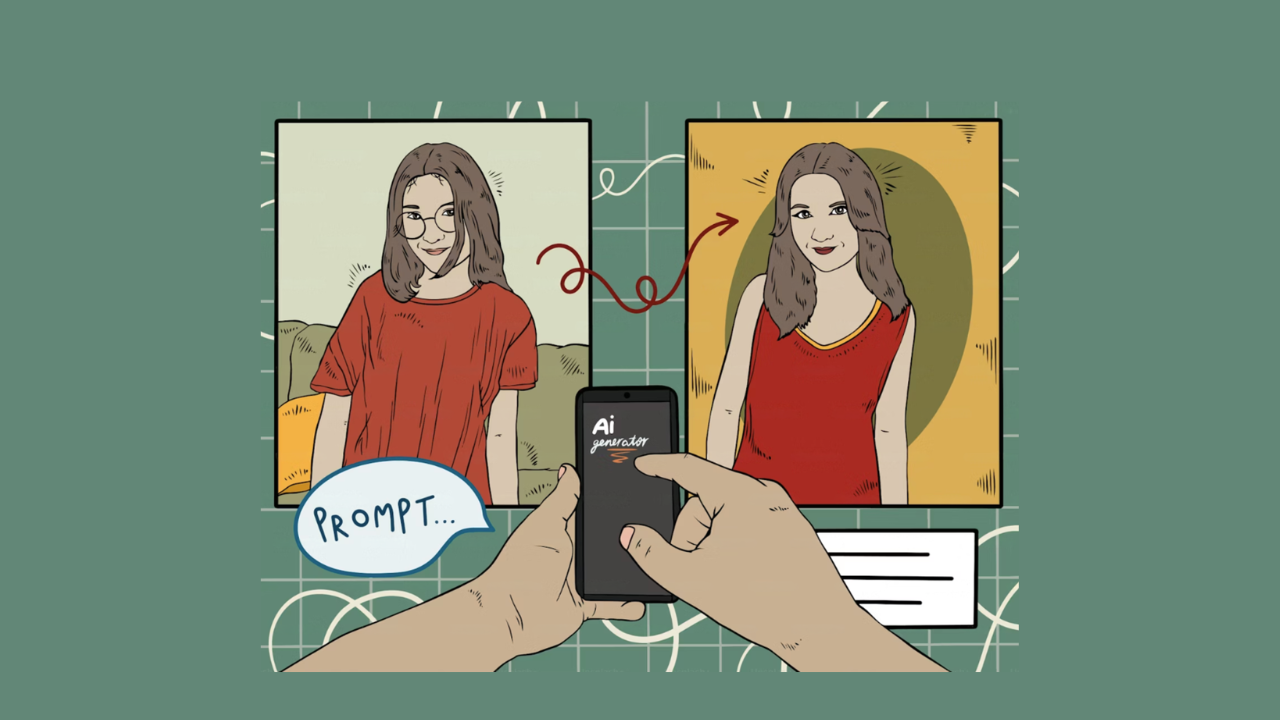
Sometimes they use a profile photo maker or editing tools to crop, adjust lighting, or remove watermarks. Other times, they steal from stock photo websites or use AI-generated images that look eerily real but don’t actually exist.
AI-generated profile pictures have become popular with scammers because they bypass reverse image searches. The person in the photo was never real to begin with.
How Scammers Build Fake Identities
Creating a fake profile takes more than just a stolen photo.
Scammers piece together entire identities. They’ll grab your name from one source, your job title from another, and your location from somewhere else. Then they mix and match until they have something believable.
The profile photo is the hook. But the bio, the posts, the “life story” they create around that photo? That’s what keeps victims engaged.
Many scammers claim to be military personnel, doctors, engineers working overseas, or business owners traveling internationally. These backstories explain why they can’t meet in person or video chat. They’re always “just out of reach.”
And if you try to find someone on dating sites using their photo, you might find multiple profiles with different names. That’s a major red flag.
Red Flags in Profile Photos
Not all profile photos are stolen. But certain patterns should make you suspicious.
The photo looks too perfect. Professional lighting. Model-quality appearance. No candid shots. Just one or two flawless images. Real people have messy photos. Scammers don’t.
They refuse video calls. If someone always has an excuse to avoid video chatting, they’re probably using stolen photos. Fake video chat scams exist, but most scammers stick to text and voice.
Their profile is new. A recently created account with limited activity is suspicious. Real people have digital footprints. Scammers start fresh.
They have few friends or followers. Or their followers are all bots and fake accounts. Check who’s engaging with their posts. If it’s all generic comments or no engagement at all, something’s off.
The background doesn’t match their story. They claim to live in New York, but their photos show European landmarks. Or they say they’re a doctor, but there’s no trace of them at any hospital.
How to Check if a Profile Photo is Stolen
You don’t need to be a tech expert to verify profile photos.
Use reverse image search. Right-click on their profile photo and select “Search image with Google.” Or use TinEye. If that photo appears on multiple profiles with different names, it’s stolen. Social Catfish’s reverse image search makes this even easier.
Search their name. If they claim to be a CEO or public figure, Google their name. Real people have digital footprints. Fake identities don’t.
Look for inconsistencies. Compare their photos. Do they look like the same person? Is the lighting consistent? Are there signs of editing or cropping?
Check their social media activity. Real people post regularly. They have friends who comment. They get tagged in photos. Fake profiles feel hollow.
Ask for a video call. This is the simplest test. If they refuse or make excuses, walk away.
Common Scams Using Stolen Profile Photos
Romance scams. The most common. Scammers build emotional connections over weeks or months. Then they ask for money. Medical emergencies. Travel expenses. Business investments. The story changes, but the goal stays the same.
Catfishing. Similar to romance scams, but not always about money. Some scammers just want attention or to manipulate emotions. Either way, catfishing is dangerous.
Employment scams. Fake recruiters use professional-looking profile photos on LinkedIn. They offer jobs that seem too good to be true. Then they ask for personal information or upfront fees.
Impersonation scams. Scammers steal photos of military personnel, celebrities, or influencers. They use these identities to gain trust quickly. If you think you’re talking to someone famous, you’re probably not.
Sextortion. One of the most damaging scams. Victims share intimate photos with someone they trust. Then the scammer threatens to share those photos unless they pay.
How to Protect Yourself
Lock down your privacy settings. Make your profile photos visible only to friends. Limit who can see your posts. Don’t make everything public.
Don’t share personal details early. Real people don’t ask for your Social Security number, bank details, or home address in the first few conversations.
Never send money. No matter how convincing the story. No matter how desperate they seem. Don’t send money to someone you’ve never met in person.
Watch for poor grammar. Many scammers operate from overseas. Spelling errors and awkward phrasing are common.
Trust your instincts. If something feels off, it probably is. Don’t ignore red flags just because you want the person to be real.
Report suspicious profiles. If you spot a fake account, report it to the platform. Then report it to the FTC.
What to Do if Your Photos Are Stolen
Finding out someone is using your profile photos for scams is disturbing. But you can take action.
Document everything. Screenshot the fake profile. Save any messages or posts.
Report the profile. Every social media platform has a reporting system. Use it. Facebook, Instagram, LinkedIn, and dating sites all take impersonation seriously.
Tell your friends and family. Warn them that someone is using your photos. This prevents them from falling for scams using your likeness.
Monitor your online presence. Use reverse image search regularly to see if your photos appear elsewhere.
Consider legal action. If the fake profile is being used for criminal activity, file a police report. Keep all evidence.
Why Social Catfish is Your Best Defense
You can’t stop scammers from stealing photos. But you can verify identities before it’s too late.
Social Catfish specializes in uncovering fake profiles and online dating scams. Our reverse image search tool checks billions of records to see if a profile photo has been used elsewhere. We also offer reverse phone lookup, email search, and username search to verify identities across multiple platforms.
If you’re talking to someone online and something feels off, don’t ignore it. Run their photo through our system. Check their phone number. Verify their email. It takes minutes and could save you thousands of dollars and months of heartbreak.
We’ve helped thousands of people spot romance scammers before they lost money. We’ve reunited people with their real identities after scammers stole their photos. And we’ve given people peace of mind when they needed it most.
The Bottom Line
Profile photos are powerful. They create trust. They spark connections. And scammers know this.
Every day, they steal photos from real people and use them to build fake identities. They target lonely people on dating sites. They impersonate soldiers and doctors. They create elaborate stories designed to manipulate emotions and steal money.
But you don’t have to be a victim.
Lock down your privacy settings. Use reverse image search. Ask questions. Demand video calls. And if something feels wrong, trust that instinct.
Scammers rely on people ignoring red flags. Don’t give them that advantage.
If you’re talking to someone online and want to verify their identity, Social Catfish can help. Our tools are designed to uncover fake profiles and protect you from scams. Because in a world where anyone can steal a profile photo and pretend to be someone else, verification isn’t optional anymore.
It’s essential.