
 Multiple Faces Detected


 September 26th, 2025
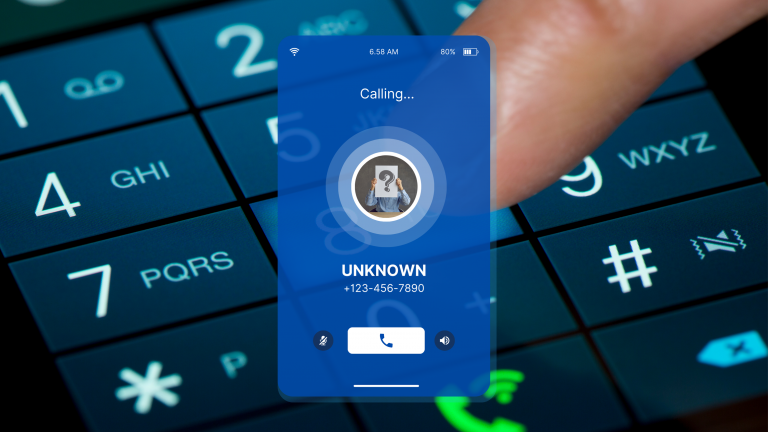
Your phone rings. The caller ID shows your bank’s number. You answer, thinking it’s legitimate. But the voice on the other end isn’t from your bank at all.
Welcome to the world of caller ID spoofing—one of the most deceptive tricks scammers use today. This isn’t just about annoying robocalls anymore. It’s about criminals who can make any number appear on your screen, turning your trust against you.
The Federal Communications Commission defines caller ID spoofing as deliberately falsifying caller ID information to disguise identity. And it’s working. The FTC reports a more than four-fold increase since 2020 in reports from older adults losing $10,000 or more to impersonation scams—many using spoofed numbers.
But here’s what most people don’t know: caller ID spoofing is surprisingly easy to do. And once you understand how it works, you’ll never look at your phone the same way again.
What Is Caller ID Spoofing?
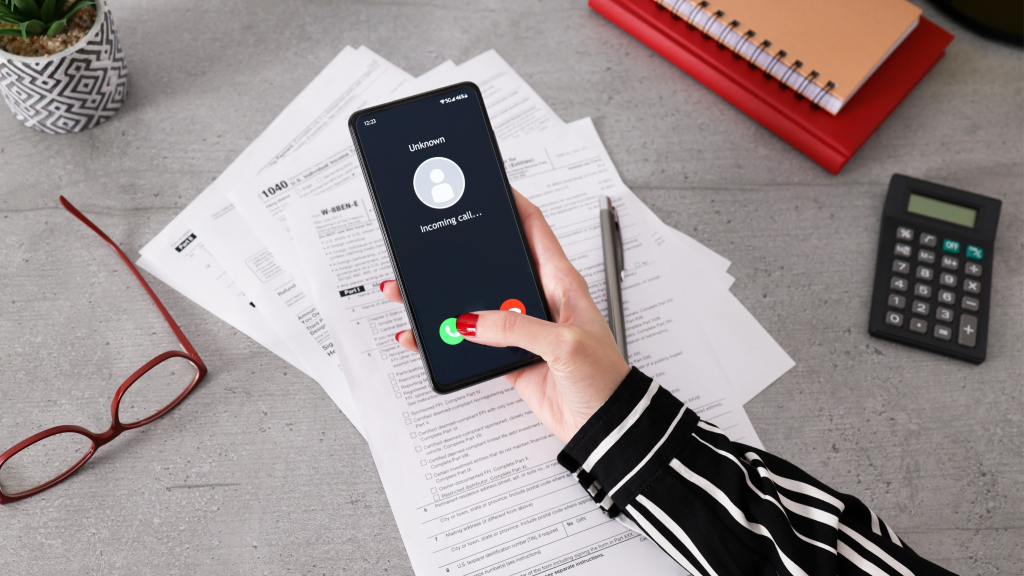
Caller ID spoofing happens when someone deliberately changes the information that shows up on your phone screen. Instead of seeing the real caller’s number, you see whatever number the scammer wants you to see.
Think of it like wearing a mask. The person underneath is still the same, but you can’t tell who they really are. Scammers use this digital mask to appear trustworthy.
A caller ID spoofer can make their call look like it’s coming from:
- Your bank or credit card company
- Government agencies like the IRS
- Local businesses you know
- Even your own phone number
The goal is simple: get you to answer the phone. Once you pick up, they can start their scam.
The Technology Behind the Deception
So how do criminals pull this off? The answer lies in the combination of outdated phone systems and modern technology.
Most caller ID spoofing uses VoIP (Voice over Internet Protocol) technology. VoIP systems allow users to easily alter caller ID information because they lack robust verification mechanisms. Scammers can simply input whatever number they want to display before making a call.
The technical process involves manipulating protocols like SIP (Session Initiation Protocol). These systems were designed for legitimate business use—like when your doctor calls from their personal phone but wants their office number to show up. But criminals exploit this flexibility.
There’s also the SS7 (Signaling System No. 7) protocol that handles call routing. This system wasn’t built with modern security in mind, making it vulnerable to manipulation.
The scary part? You don’t need to be a tech expert to become a caller id spoofer. Various online services and apps make it possible for anyone to spoof numbers for a small fee.
Common Spoofing Scams That Target You
Government Impersonation
Scammers love pretending to be from the IRS, Social Security Administration, or local police. They create urgency by claiming you owe money or face arrest. The spoofed caller ID makes it look official.
These calls often demand immediate payment through gift cards or wire transfers. Real government agencies don’t work this way.
Bank and Credit Card Fraud
You get a call from what appears to be your bank’s number. The caller claims suspicious activity on your account and needs to “verify” your information. They already know some details about you, making it seem legitimate.
But banks already have your information. They won’t ask you to confirm your Social Security number or PIN over the phone.
Tech Support Scams
Your phone shows a call from “Microsoft” or “Apple.” The caller claims your computer has a virus and offers to fix it remotely. Once you give them access, they can steal your data or install malware.
Real tech companies don’t make unsolicited calls about computer problems.
Family Emergency Scams
The caller ID shows a family member’s number. But the voice sounds different—maybe they claim to be injured or in jail and need money immediately. The emotional manipulation, combined with the familiar number, can be powerful.
Always hang up and call the family member directly using a number you know is real.
How to Spot a Spoofed Call
Recognizing caller ID spoofing isn’t always easy, but there are warning signs:
The voice doesn’t match the number. If your bank calls, but the person has a heavy accent or sounds unprofessional, be suspicious.
Urgent demands for action. Scammers create false urgency to prevent you from thinking clearly or verifying their claims.
Requests for sensitive information. Legitimate organizations already have your account details. They won’t ask you to confirm your Social Security number or passwords.
Callback issues. If you hang up and call the number back, it goes to voicemail, or the real organization has no record of calling you.
Unusual background noise. Professional call centers are quiet. If you hear lots of chatter or poor audio quality, it might be a scam operation.
For more detailed guidance on identifying suspicious calls, check out how to tell if a phone number is real.
Protecting Yourself From Spoofed Calls
Don’t Answer Unknown Numbers
The simplest defense is not answering calls from numbers you don’t recognize. Let them go to voicemail. Legitimate callers will leave a message.
If you’re expecting important calls, you can still screen them. Listen to the voicemail before deciding whether to call back.
Verify Before You Trust
If someone claims to be from your bank, credit card company, or government agency, hang up and call them back using the official number from their website or your account statements.
Don’t use any number the caller provides. Scammers often give you another spoofed number to call.
Use Call Blocking Technology
Many phone carriers offer call blocking services. These can filter out known scam numbers and reduce the number of spoofed calls you receive.
Third-party apps like Truecaller or Hiya can also help identify potential scam calls. For more options, explore the best third-party call blocker apps.
Be Skeptical of Caller ID
Remember that caller ID can be faked. Don’t trust a call just because the number looks familiar or official.
This is especially important for calls with no caller ID or from suspicious numbers. Understanding common scenarios for no caller ID calls can help you make better decisions about which calls to answer.
Educate Your Family
Spoofing scams often target older adults. Make sure your parents and grandparents know about these tactics. Share this information with them and establish a family code word for emergencies.
When Spoofed Calls Become Dangerous

Caller ID spoofing isn’t just annoying—it can be financially devastating. The FTC found that combined losses reported by older adults who lost more than $100,000 increased eightfold between 2020 and 2024.
Some victims lose their entire life savings. Others have their identities stolen or their computers infected with malware.
The emotional impact can be just as severe. Victims often feel embarrassed or ashamed, which prevents them from reporting the crime or seeking help.
If you think you’ve been targeted by spoofed calls, you can check phone number owner information to help verify legitimate contacts.
The Legal Side of Spoofing
Caller ID spoofing for malicious purposes is illegal under the Truth in Caller ID Act. The FCC can fine violators up to $10,000 per call.
But enforcement is challenging. Scammers often operate from overseas or use technology that makes them hard to trace.
There are legitimate uses for caller ID spoofing. Doctors might display their office number when calling from personal phones. Domestic violence shelters might hide their real numbers for safety reasons.
The key difference is intent. Using spoofing to deceive or defraud people is illegal.
What to Do If You’re Targeted
If you receive a spoofed call:
- Hang up immediately if something feels wrong
- Don’t provide any personal information
- Report the call to the FTC at ReportFraud.ftc.gov
- Block the number on your phone
- Warn others about the scam
If you’ve already given out information:
- Contact your bank and credit card companies
- Monitor your accounts for suspicious activity
- Consider placing a fraud alert on your credit reports
- Change passwords for important accounts
For help with identifying unknown callers, try Social Catfish’s caller ID lookup service to research suspicious numbers.
The Future of Call Authentication
The telecommunications industry is fighting back with new technology called STIR/SHAKEN. This system helps verify that caller ID information is legitimate.
But implementation is slow, and scammers are adapting their tactics. The best defense remains your own awareness and skepticism.
Some carriers are also implementing branded calling, where verified businesses can display their logo and company name instead of just a number.
Why Social Catfish Is Your Best Defense
When dealing with suspicious calls and potential scams, you need reliable tools to verify caller information. Social Catfish offers comprehensive phone lookup services that can help you identify unknown callers and protect yourself from spoofing scams.
Their platform combines multiple data sources to provide detailed information about phone numbers, including whether they’ve been reported for scam activity. This makes Social Catfish an essential tool for anyone serious about protecting themselves from caller ID spoofing.
Whether you’re dealing with restricted calls vs blocked calls or trying to understand what you need to know about receiving no caller ID calls, Social Catfish provides the resources and tools you need to stay safe.
Staying One Step Ahead
Caller ID spoofing will likely get worse before it gets better. Scammers are constantly evolving their tactics, and new technology makes spoofing easier than ever.
But knowledge is power. Understanding how these scams work and staying vigilant can protect you and your family from becoming victims.
Remember: when in doubt, hang up and verify. Your financial security and personal information are worth more than the few minutes it takes to confirm a caller’s identity through official channels.
The next time your phone rings with a familiar-looking number, you’ll know to be skeptical. Because in the world of caller ID spoofing, things aren’t always what they seem.