
 Multiple Faces Detected



 August 13th, 2025
Getting an IRS confirm identity notice in your mailbox can be scary. Your heart probably skips a beat. Is this real? Am I being scammed?
Here’s the truth: legitimate IRS confirm identity letters do exist. But scammers also send fake ones to steal your information. The key is knowing how to distinguish between them and respond safely.
According to the IRS, over 1.9 million tax returns were suspended for identity verification in 2024 alone. That’s nearly 2 million people who had to prove they were really themselves before getting their refunds.
What Are Legitimate IRS Identity Confirmation Letters?
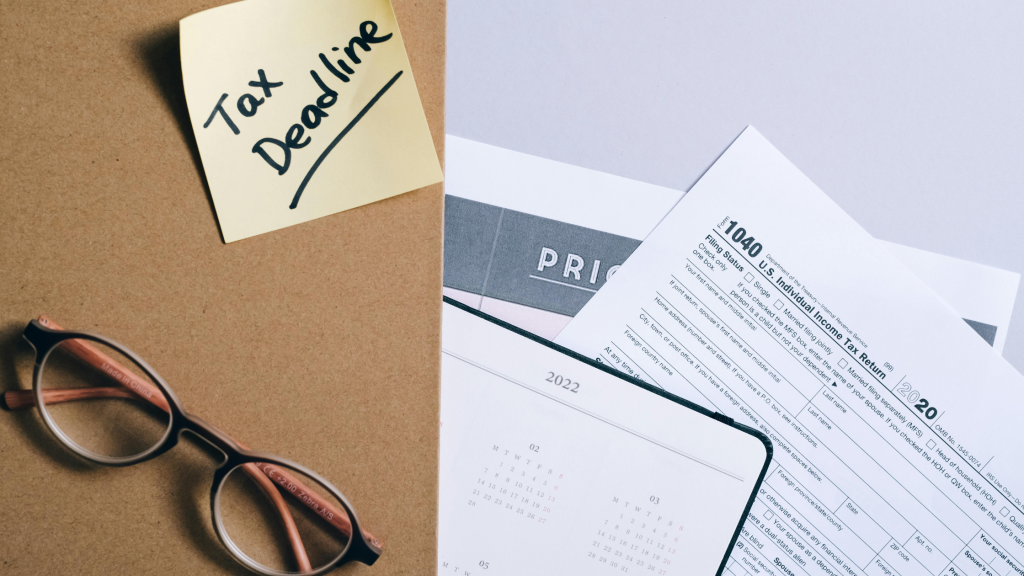
The IRS sends these letters when its systems flag your tax return as potentially fraudulent. This doesn’t mean you did anything wrong. It means someone may have attempted to file a fraudulent return using your Social Security number.
The IRS letter to confirm identity serves as protection. The IRS won’t process your return until you verify it’s actually yours. Think of it as a security checkpoint for your taxes.
Real IRS Identity Verification Letters Include:
- Letter 5071C – Most common, offers online verification
- Letter 4883C – Requires phone verification only
- Letter 5747C – Requires in-person verification (rare)
- Letter 5447C – For taxpayers living outside the U.S.
Each letter provides clear instructions on what to do next. No guessing games.
How to Verify Your IRS Notice Is Real
Before taking any action, verify that your letter is genuine. Scammers are becoming increasingly skilled at creating fake IRS letters that appear authentic.
Step 1: Check Your IRS Online Account
Log in to your IRS online account. If the notice is real, you’ll see a copy there. No account yet? You’ll need to create one using ID.me verification.
Step 2: Look Up Your Notice Number
Visit the IRS notice lookup tool. Enter your CP or LTR number from the top right corner of your letter. Real notices will show up here.
Step 3: Call the IRS Directly
If you can’t verify online, call 800-829-1040. Don’t use any phone number from the letter itself. Use only official IRS numbers from their website.
Red Flags That Scream “Scam”
Fake IRS confirm identity letters often have telltale signs. Watch for these warning signals:
Immediate threats. Real IRS letters give you time to respond. Scam letters threaten arrest or legal action if you don’t act within hours.
Demands for gift cards or wire transfers. The IRS never asks for payment via gift cards, prepaid cards, or wire transfers. Ever.
Requests for passwords or PINs. The IRS won’t ask for your online banking passwords or credit card PINs.
Poor grammar and spelling. Official IRS confirm identity letters are professionally written. Lots of typos? Red flag.
Suspicious contact methods. The IRS doesn’t initiate contact through email, text, or social media about identity verification.
As Social Catfish experts note, tax-related scams spike during filing season. Scammers are aware that people expect IRS correspondence, making it easier for them to deceive victims.
How to Respond Safely to Real IRS Identity Letters
Got a legitimate notice? Here’s your step-by-step action plan.
(Online Option) For Letter 5071C :
- Go to the IRS Identity Verification website
- Have your notice and tax return handy
- Create an IRS account if you don’t have one
- Answer questions about your tax return
- Wait 2-3 weeks for processing
(Phone Only) For Letter 4883C :
- Call the Taxpayer Protection Program at 800-830-5084
- Have your notice, tax return, and ID ready
- Answer verification questions over the phone
- Follow any additional instructions given
(In-Person) For Letter 5747C :
- Schedule an appointment at a local Taxpayer Assistance Center
- Bring your notice, tax return, and government-issued photo ID
- Complete verification in person
- Get confirmation of your completed verification
The IRS warns that it typically contacts taxpayers by mail first, not by phone or email. This is your first line of defense against scammers.
What Information You’ll Need
Before starting the verification process, gather these documents:
- Your IRS notice or letter
- Your original tax return for the year in question
- Government-issued photo ID
- Social Security card or ITIN documentation
- Any supporting tax documents (W-2s, 1099s, etc.)
Don’t have your tax return? Check with your tax software or ask your preparer for a copy.
Common Verification Questions
The IRS will ask specific questions about your tax return that only you should know:
- Your filing status
- Number of dependents claimed
- Specific income amounts from your W-2 or 1099
- Deductions you claimed
- Your refund amount
These aren’t trick questions. They’re pulling information directly from your filed return.
What Happens After Verification
Once you complete verification, the IRS needs time to process everything. Here’s what to expect:
Processing time: 2-3 weeks minimum, up to 9 weeks in complex cases
Refund delays: Your refund will be delayed until verification is complete
No additional action needed: You don’t need to file Form 14039 (Identity Theft Affidavit) if you received a verification letter
Future protection: Consider getting an Identity Protection PIN to prevent future issues
Protecting Yourself from Future Scams
Tax scammers don’t take breaks. They’re always looking for new victims. Here’s how to stay protected:
Get an Identity Protection PIN
An IP PIN is a six-digit number that changes annually. You need it to file your tax return. Without it, scammers can’t file fake returns using your information.
Request yours at IRS.gov.
Monitor Your Credit
Check your credit reports regularly for suspicious activity. Identity thieves often use stolen tax information for other scams.
Be Skeptical of Unsolicited Contact
The IRS doesn’t call, email, or text about identity verification without first mailing a letter. When in doubt, hang up and call the IRS directly.
Keep Your Information Secure
Don’t carry your Social Security card in your wallet. Shred tax documents before throwing them away. Use secure networks when filing taxes online.
When Scammers Target You
Despite your best efforts, you might still encounter IRS impersonators. Here’s what to do:
Don’t engage. Hang up immediately if someone calls claiming to be from the IRS about identity verification without first sending you a letter.
Report it. Forward phishing emails to [email protected]. Report phone scams to the Treasury Inspector General at 800-366-4484.
Document everything. Keep records of scam attempts. This helps authorities track down criminals.
Get help if needed. If you’re unsure about any IRS communication, Social Catfish’s search specialists can help verify if someone contacting you is legitimate.
The IRS Dirty Dozen tax scams list gets updated annually. Identity theft consistently ranks among the top threats to taxpayers.
Special Situations and Considerations
Some situations require extra caution when dealing with identity verification:
If You Didn’t File a Return
Someone may have filed a fraudulent return using your information. Use the online verification tool to report this to the IRS. Don’t ignore the letter.
If You’re Under 18
Contact the IRS directly. Minors need special handling for identity verification.
If You Live Outside the U.S.
You’ll likely receive Letter 5447C with different instructions. International taxpayers can call 267-941-1000 for assistance.
If You Have a Tax Preparer
Your preparer can assist in gathering the necessary documents, but you must complete the verification process yourself. The IRS won’t accept verification from third parties.
Additional Resources for Tax Scam Protection
Staying informed is your best defense against evolving scam tactics:
- Learn about IRS tax scams and how they work
- Understand how to avoid tax refund scams that target your money
- Be aware of IRS imposter scams targeting college students
- Know that tax season online scams reach record levels each year
- Watch out for National Tax Advisory Services LLC scams and similar fake companies
The Federal Trade Commission’s IdentityTheft.gov provides additional resources for identity theft victims.
Moving Forward with Confidence
Receiving an IRS identity verification letter doesn’t have to be overwhelming. Most people who receive these IRS confirm identity letters are legitimate taxpayers whose returns have been flagged by security systems.
The key is responding promptly and safely. Verify the letter is real, gather your documents, and follow the instructions exactly. Don’t let scammers pressure you into hasty decisions.
Remember: the real IRS gives you time to respond and multiple ways to verify your identity. Scammers create a sense of urgency and limit your options.
When you handle IRS identity verification correctly, you’re not only protecting your current refund, but also safeguarding your future tax returns. You’re guarding your financial future from identity thieves who want to steal your tax information for years to come.
Stay vigilant, verify everything, and don’t hesitate to ask for help when you need it. Your financial security is worth the extra effort.