 Multiple Faces Detected


 August 8th, 2025
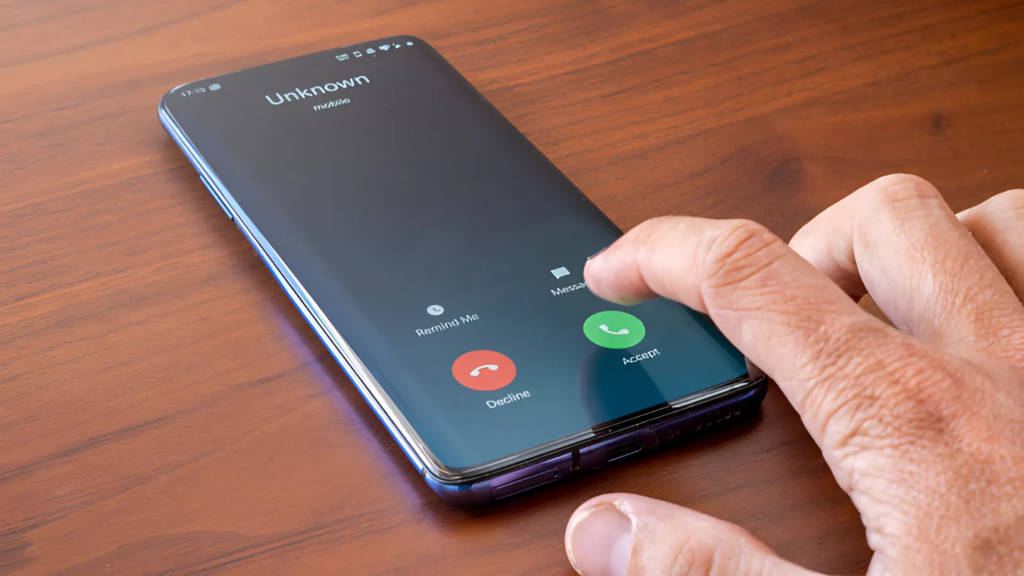
Your phone rings. The caller ID shows a local number. Maybe it’s your area code, or even looks like a business you know. You answer, expecting a normal conversation.
But it’s not.
It’s a scammer using phone spoofing to trick you into thinking they’re someone else. And you’re not alone—Americans received over 4.4 billion robocalls in June 2025, with most using spoofed numbers.
Phone spoofing is when criminals fake the information that shows up on your caller ID. They make it appear as though they’re calling from a trusted source when, in fact, they’re calling from anywhere in the world. It has become the go-to tool for scammers because it’s effective.
What Exactly Is Phone Spoofing?
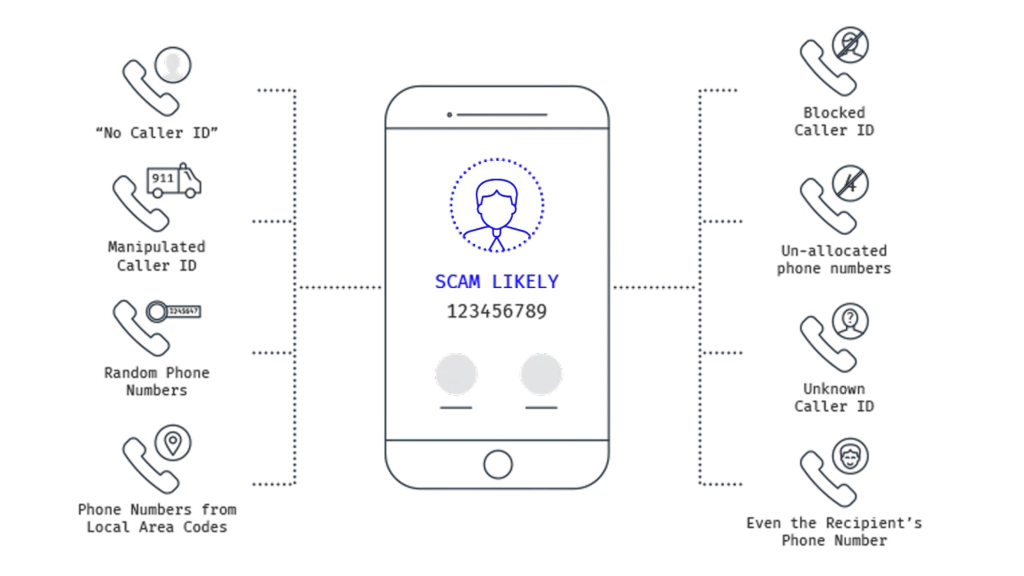
Phone spoofing happens when someone deliberately changes the caller ID information that appears on your phone. Instead of seeing the real number calling you, you see whatever number the caller wants you to see.
Think of it like wearing a disguise. The person underneath is still the same, but they look completely different to you.
Scammers love this technique because it helps them get past your defenses. You’re more likely to answer a call from what looks like a local number than one from an unknown area code. And that’s exactly what they’re counting on.
The Federal Communications Commission defines caller ID spoofing as when “a caller deliberately falsifies the information transmitted to your caller ID display to disguise their identity.”
How Do Scammers Spoof Phone Numbers?
The most common method scammers use is Voice over Internet Protocol (VoIP) technology. Here’s how it works:
VoIP Services Make It Easy
Scammers can use freely available software or sign up with VoIP providers that let them substitute any number they want. Once they configure their system, they can launch massive scam campaigns with fake numbers.
No Special Skills Required
You don’t need to be a tech expert to spoof numbers. Many online services make it as simple as entering the number you want to display and the number you want to call.
Cheap and Effective
For as little as $5, scammers can buy millions of stolen phone numbers from data breaches. When the average phone scam victim loses over $500, it’s easy math for criminals.
The technology itself isn’t illegal. Doctors might spoof their personal numbers when calling patients. But when used for fraud or harassment, it violates the Truth in Caller ID Act of 2009.
Common Phone Spoofing Tactics
Neighbor Spoofing
This is when scammers use a number with your same area code and sometimes even the same first three digits. It looks like someone local is calling, so you’re more likely to pick up.
Government Impersonation
Scammers often spoof numbers to look like they’re calling from the IRS, Social Security Administration, or local police. They use fear tactics to pressure you into giving up information or money.
Business Impersonation
They might make it look like your bank, credit card company, or a well-known business is calling. The goal is to steal your personal information or login credentials.
Family and Friend Spoofing
In some cases, scammers will spoof numbers of people you know. They might have gotten this information from social media or data breaches.
How to Tell If a Call Is Spoofed
Here are the warning signs:
- The caller asks for personal information like Social Security numbers or passwords
- They create urgency (“You must act now or face consequences”)
- They ask you to pay with gift cards, wire transfers, or cryptocurrency
- The call quality is poor, or there are unusual delays
- They can’t answer basic questions about why they’re calling
- They get angry when you ask for verification
If you’re unsure about a caller’s identity, hang up and call the organization directly using a number you find independently. Don’t use any number the caller gives you.
What to Do If Your Number Gets Spoofed
Sometimes you’re not the target—you’re the victim whose number is being used to scam others. You’ll know this is happening when you start getting angry callbacks from people you never called.
Contact Your Carrier
Report the issue to your phone company as soon as possible. Major carriers like AT&T, T-Mobile, and Verizon have reporting systems for spoofing complaints.
Update Your Voicemail
Record a message explaining that scammers are using your number. Ask callers to block your number if they received unwanted calls.
Check for SIM Swapping
If scammers are spoofing your number, they might try to take it over completely through a SIM swap attack. Watch for sudden loss of service or inability to receive texts.
Consider Changing Your Number
If the problem persists, you might need a new phone number. Ask your carrier for an unused number rather than a recycled one.
Protecting Yourself From Phone Spoofing
Don’t Answer Unknown Numbers
This is your best defense. Let unknown calls go to voicemail. Legitimate callers will leave a message.
Use Call Blocking Apps
Install apps like Truecaller, RoboKiller, or your carrier’s built-in spam protection. These can identify and block many spoofed calls before they reach you.
Register with Do Not Call Lists
While not foolproof against scammers, registering with the National Do Not Call Registry can reduce legitimate telemarketing calls.
Verify Before You Trust
If someone claims to be from a company or government agency, hang up and call them back using an official number. Don’t use any number the caller provides.
Protect Your Personal Information
Be cautious about sharing your phone number online. Check your privacy settings on social media and exercise caution when entering your phone number on unfamiliar websites.
For more protection tips, check out our guides on how to tell if a phone number is real and how to identify and block fraudulent callers.
What Phone Companies Are Doing
The telecommunications industry is fighting back with new technology:
STIR/SHAKEN Protocol
This system helps verify that caller ID information is legitimate. When a call can’t be verified, it may be blocked or labeled as potentially fraudulent.
Network-Level Blocking
Many carriers now block suspected spam calls before they reach your phone. This happens automatically in the background.
Enhanced Caller ID
Some carriers are rolling out services that provide more information about incoming calls, making it easier to spot spoofed numbers.
Learn more about changes phone carriers made to prevent spoofing scams and how caller ID spoofing works.
When Spoofing Becomes Dangerous
Phone spoofing isn’t just annoying—it can be the first step in more serious crimes:
Identity Theft
Scammers use spoofed calls to gather personal information they can use to steal your identity.
Financial Fraud
They might trick you into giving up banking information or convince you to send money.
Account Takeovers
With enough personal information, scammers can take over your online accounts.
If you need help identifying unknown callers or want to verify someone’s identity, tools like caller ID lookup can help you stay safe.
Legal Consequences for Spoofing
While the technology has legitimate uses, using phone spoofing for fraud is illegal. The FCC can fine violators up to $10,000 per instance of non-compliance. In severe cases, criminal charges can result in prison time.
But enforcement is challenging. Many scammers operate from overseas, making prosecution difficult. That’s why personal protection is so important.
Tools and Resources for Protection
Government Resources
- File complaints with the FCC
- Report fraud to the FTC
- Register with the National Do Not Call Registry
Carrier Services
Most major carriers offer free spam protection. Check with your provider about available options.
Third-Party Apps
Consider apps that specialize in call protection and spam blocking.
For comprehensive protection, services like Social Catfish can help you verify caller identities and protect against various types of online fraud.
Staying One Step Ahead
Phone spoofing will likely get worse before it gets better. Scammers are always finding new ways to trick people. But you can protect yourself by staying informed and being cautious.
Remember: when in doubt, don’t answer. Legitimate callers will find another way to reach you. And if something feels off about a call, trust your instincts.
The key is being proactive. Don’t wait until you become a victim. Set up your defenses now, and you’ll be ready when the scammers come calling.
For more information about protecting yourself from phone scams and verifying caller identities, visit our search specialist services or learn how to look up phone numbers to identify unknown callers.
You can also check out our guides on what Spy Dialer is and how to protect yourself, how to check phone number owners, and how to make your number unknown when making calls.