 Multiple Faces Detected


 October 27th, 2023
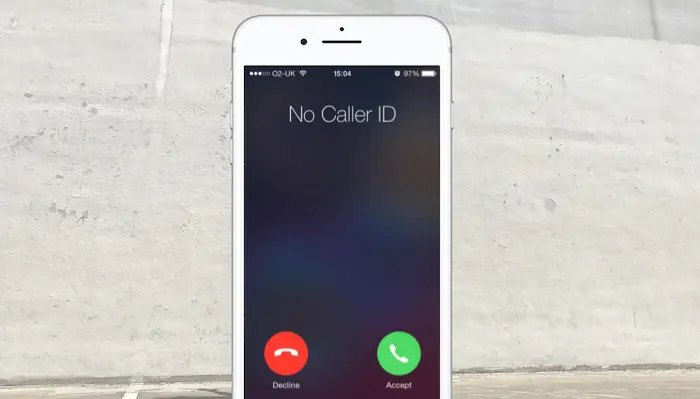
Phone calls remain a fundamental mode of communication, connecting us with friends, family, businesses, and more. However, amidst the convenience and connectivity, there exists a mysterious and often frustrating aspect of phone calls—No Caller ID calls. These enigmatic and anonymous calls can raise questions, concerns, and even anxiety when our phones display “No Caller ID” instead of a familiar number. In this blog post, we’ll delve into common scenarios for No Caller ID calls, unraveling the mysteries behind these encounters, and shedding light on why they occur and what you can do to navigate them effectively. Whether you’ve been on the receiving end of these calls or are curious about the reasons behind them, read on to explore the world of No Caller ID calls.
Understanding the No Caller ID Mystery
Receiving phone calls with no caller ID information has become an intriguing and sometimes puzzling phenomenon. It’s like a masked ball for the digital era, where the mystery shrouding the identity of the caller can spark curiosity, concern, or even frustration. As we delve into this blog post, we’ll unveil the enigma of “No Caller ID” calls, exploring what they are, why they occur, and the various scenarios in which they can disrupt our daily lives. Join us on this journey to decipher the mystery behind these unidentified callers and learn how to handle them effectively.
Anonymous Calls: A Closer Look
The Anonymity of “No Caller ID” Calls
“No Caller ID” calls are a curious digital manifestation of the age-old concept of anonymity. In an era where connectivity is the norm, these calls challenge the very essence of communication by withholding the identity of the caller. This anonymity can evoke a sense of intrigue, as recipients are left wondering who might be on the other end. However, it can also raise concerns, particularly when these calls become frequent or unsettling.
The Disruption of Unsolicited “No Caller ID” Calls
One common scenario involving “No Caller ID” calls is unsolicited telemarketing or spam calls. These unidentified callers often employ this tactic to reach a wide audience with their messages. While legitimate businesses use caller ID for transparency, some rogue entities choose to remain hidden to avoid detection and regulations. Such calls can be not only disruptive but also a potential source of annoyance for many recipients.
Privacy and the Right to Conceal Identity
While unsolicited “No Caller ID” calls are a common nuisance, some individuals may choose to withhold their caller ID information for legitimate privacy reasons. It’s essential to respect the right of individuals who may have valid reasons to conceal their identity. For example, victims of harassment or abuse might prefer to make anonymous calls to protect their safety.
Handling “No Caller ID” Calls Responsibly
For those on the receiving end of “No Caller ID” calls, it’s crucial to handle them responsibly. While some of these calls may be innocuous, others might be attempts to scam or defraud individuals. Implementing techniques like call screening or using call-blocking apps can help manage these calls and reduce their impact on your daily life. By understanding the various scenarios in which “No Caller ID” calls occur, you can navigate this digital mystery more effectively and take appropriate actions to maintain your peace of mind.
Scenarios for No Caller ID Calls
Here’s scenarios for no caller ID calls:
1. Telemarketing and Unsolicited Calls
One common scenario for “No Caller ID” calls is telemarketing and unsolicited marketing calls. Businesses or individuals engaging in these practices often hide their caller ID information to evade regulations or to reach a broad audience without transparency. Recipients may find these calls intrusive and annoying.
2. Prank Calls and Harassment
Another scenario involves prank calls and harassment. Some individuals misuse the anonymity of “No Caller ID” to make calls with the intent of disturbing or intimidating the recipient. This scenario can be distressing and potentially escalate into a serious issue.
3. Legitimate Privacy Concerns
On the flip side, some people choose to withhold their caller ID information due to legitimate privacy concerns. Victims of harassment or those seeking anonymity for safety reasons may make anonymous calls to protect their identity. Understanding and respecting these privacy needs is crucial.
4. Anonymous Tips and Whistleblowing
In some cases, individuals may use “No Caller ID” to provide anonymous tips or blow the whistle on illegal activities. This scenario can serve as a valuable tool for reporting important information while maintaining the caller’s anonymity.
5. General Anonymity
Sometimes, the reason for making “No Caller ID” calls is general anonymity. People who wish to keep their identity concealed for various reasons, such as personal preference or discretion, may use this option. While not all anonymous calls are disruptive or malicious, understanding the potential scenarios helps recipients handle them more effectively.
Reasons Behind Anonymous Calls
Anonymous calls serve various essential purposes in today’s communication landscape. One primary driver for these calls is the need for privacy and personal safety. Individuals often seek to safeguard their identities when discussing sensitive or confidential matters. This necessity arises in scenarios like seeking legal advice, counseling, or support for issues like domestic abuse or mental health. Anonymity offers a shield for personal information, making it more comfortable for people to share their concerns and fears without the risk of exposure.
Beyond privacy, another crucial role of anonymous calls is reporting crimes and misconduct. Whistleblowers and witnesses to illegal activities frequently opt for anonymity when providing information to law enforcement or authorities. The shield of anonymity empowers individuals to share vital details without the fear of retaliation. This, in turn, simplifies the process of uncovering criminal activities and maintaining public safety.
Confidential hotlines, established by various organizations, represent another arena where anonymous calls play a significant role. These hotlines serve purposes like crisis intervention, addiction support, or mental health assistance. Callers often prefer to remain anonymous while discussing personal issues, ensuring that they need not disclose their identities. This layer of confidentiality encourages individuals to seek help without the fear of judgment or social stigma, fostering a safe environment for open communication.
Protecting vulnerable populations is another critical function of anonymous calls. For instance, individuals reporting child abuse or neglect might utilize anonymous calls to ensure the safety of the child while preserving their own security. Similarly, those reporting elder abuse, human trafficking, or discrimination often rely on anonymous calls to shield themselves from potential retribution, thereby playing a crucial role in safeguarding the rights and well-being of vulnerable members of society.
Anonymous calls accommodate individual preferences for privacy. Some people simply choose not to disclose their identity, whether they’re calling in to a radio talk show, casting votes on reality TV shows, or contacting customer service. Respecting these individual preferences for anonymity ensures that everyone can participate comfortably in various aspects of life, from entertainment to public engagement, without the compulsion of revealing their identity. Anonymous calls provide the flexibility needed to engage in diverse activities while maintaining personal privacy and comfort.
Safety and Privacy Concerns
The use of anonymous calls can often raise safety and privacy concerns, especially in an age where technological advancements make it easier for malicious individuals to exploit anonymity for nefarious purposes. While there are legitimate reasons for maintaining anonymity in various situations, these calls can also be employed for negative purposes. Here are some safety and privacy concerns associated with anonymous calls:
- Harassment and Threats: Anonymous calls can be a tool for harassment, threats, and bullying. When individuals are shielded by anonymity, they may feel emboldened to engage in harmful or intimidating behavior towards others. This poses a significant safety risk, as victims may not be able to identify their harassers.
- Fraud and Scams: Anonymous calls are frequently used in fraudulent schemes and scams. Scammers often hide behind the cloak of anonymity to defraud individuals, leading to financial losses and other consequences. These actions undermine trust and security in communication.
- Obstructing Law Enforcement: In some cases, anonymous calls can hinder law enforcement efforts. Individuals who possess critical information about criminal activities may choose to remain anonymous, making it challenging for authorities to verify the credibility of the information or follow up on leads.
- Misuse of Hotlines: While confidential hotlines are essential for individuals seeking support, they can also be misused for prank calls or non-serious matters. This misuse can divert resources away from individuals who genuinely need assistance.
- Privacy Violations: When anonymous calls are used to invade someone’s privacy, it can result in emotional distress and, in severe cases, legal action. Intrusive or harassing anonymous calls can have significant negative effects on individuals’ lives.
- Cyberbullying: In the digital age, anonymous calls can extend to online forms of communication, including cyberbullying. Anonymity may encourage online trolls to engage in harmful behavior, targeting individuals with hateful or offensive messages.
- Spread of False Information: Anonymous calls and messages can facilitate the spread of false information, rumors, and conspiracy theories. This can lead to panic, confusion, and mistrust in society.
- Regulatory Challenges: Regulating anonymous calls can be complex, as it requires balancing privacy rights with the need to address safety and security concerns. Finding the right balance is an ongoing challenge for policymakers.
Dealing with No Caller ID Calls
Dealing with No Caller ID calls can be a challenging and, at times, frustrating experience. These calls can range from harmless to potentially dangerous, so it’s important to know how to manage them effectively. Here are some strategies for dealing with No Caller ID calls:
- The simplest way to deal with No Caller ID calls is not to answer them. If you receive a call from an unknown or blocked number, let it go to voicemail. If it’s important, the caller may leave a message.
- Many smartphones have built-in call blocking features, allowing you to block calls from unknown or hidden numbers. Additionally, there are numerous call-blocking apps available for download, which can help filter out unwanted calls.
- Your mobile service provider may offer services or advice on dealing with No Caller ID calls. They might be able to assist in blocking such calls or offer guidance on how to handle them.
- You can use your phone’s “Do Not Disturb” mode to silence calls from unknown or blocked numbers. This ensures that you’re not bothered by these calls during specific hours.
- If you have a landline, consider using an answering machine or caller ID to screen your calls. This allows you to choose which calls to answer and which to ignore.
- Be cautious about sharing your phone number online, especially on public websites or social media. This can reduce the likelihood of receiving unwanted calls.
- If you receive No Caller ID calls that involve harassment, threats, or any illegal activities, report them to law enforcement. They can investigate and take action against the caller.
- In more severe cases, you can contact your service provider and request a call trace to identify the source of anonymous or harassing calls. This can be useful for legal actions.
- As a last resort, if you consistently receive malicious or harassing No Caller ID calls, you can change your phone number. This can be an inconvenience but may provide relief from unwanted calls.
- Stay informed about the latest scams and tactics used by anonymous callers. Knowing what to look out for can help you avoid falling victim to fraud or other malicious activities.
Tips for Navigating the Unknown
Navigating the unknown, whether it’s dealing with unexpected life changes, pursuing new opportunities, or simply stepping out of your comfort zone, can be a challenging yet rewarding journey. Here are some tips to help you navigate the unknown effectively:
- Embrace Uncertainty: Acknowledge that uncertainty is a natural part of life. Embrace it as an opportunity for personal growth and learning rather than something to fear.
- Set Clear Goals: Define your goals and what you hope to achieve as you venture into the unknown. Having clear objectives will provide direction and purpose.
- Take Small Steps: Break down your journey into manageable steps. Taking small, actionable steps reduces the feeling of overwhelm and allows you to make progress.
- Seek Knowledge: Educate yourself about the path you’re embarking on. Whether it’s a new career, a hobby, or a personal goal, knowledge can empower you to make informed decisions.
- Stay Open-Minded: Be open to new ideas, perspectives, and experiences. Sometimes the best opportunities arise from unexpected sources.
- Network and Connect: Build a support system of friends, mentors, or like-minded individuals who can offer guidance and encouragement. Networking can open doors to new opportunities.
- Practice Resilience: Expect setbacks and challenges along the way. Resilience is the ability to bounce back from adversity and continue your journey.
- Take Care of Your Well-Being: Maintain good physical and mental health. Regular exercise, a balanced diet, and stress management techniques can help you stay grounded and focused.
- Stay Organized: Keep track of your progress and any important deadlines or milestones. Organization can prevent feelings of chaos and help you stay on track.
- Visualize Success: Imagine yourself achieving your goals. Visualization can boost motivation and help you overcome self-doubt.
- Seek Feedback: Don’t be afraid to ask for feedback from others who have experience in your chosen path. Constructive feedback can help you improve and adapt.
- Learn from Failure: Failure is a valuable teacher. When things don’t go as planned, reflect on what went wrong and how you can do better next time.
- Celebrate Achievements: Acknowledge your accomplishments along the way. Celebrating milestones, no matter how small, can boost your confidence and motivation.
- Stay Flexible: The path to the unknown may require adjustments. Be flexible and open to changing course if necessary.
- Stay Patient: Navigating the unknown can be a lengthy process. Be patient with yourself and the journey. Overnight success is rare.
- Maintain a Positive Mindset: A positive attitude can make a significant difference in how you perceive challenges and setbacks. It can also influence your ability to overcome them.
- Enjoy the Journey: Remember to enjoy the process and appreciate the experiences and lessons you encounter along the way. Life is about more than just reaching the destination.
- Stay Curious: Cultivate a curious mindset. Asking questions, seeking knowledge, and exploring new ideas can lead to unexpected opportunities.
- Stay Grounded: While venturing into the unknown, it’s essential to stay grounded in your values and principles. They can guide you in making ethical decisions.
- Seek Professional Help: If you’re navigating particularly challenging or unfamiliar territory, don’t hesitate to seek advice from professionals who specialize in that area.