 Multiple Faces Detected


 October 15th, 2025
You get a call from someone claiming to be from your bank. They have your name, account number, and address. Sounds legit, right?
Wrong.
That person isn’t who they say they are. They’re using a fake ID or stolen identity to trick you into handing over money or personal information. And it’s happening to more people than ever before.
Scammers don’t need to meet you in person to use a fake ID anymore. They’re crafting digital fake IDs that look real, sound real, and can fool even the most cautious person. With AI tools now making it easier to create convincing fake identification documents in minutes, identity theft has become more sophisticated and harder to spot.
But here’s the good news: once you know how scammers operate, you can spot the red flags before it’s too late.
What Is a Fake ID in the Context of Scams?
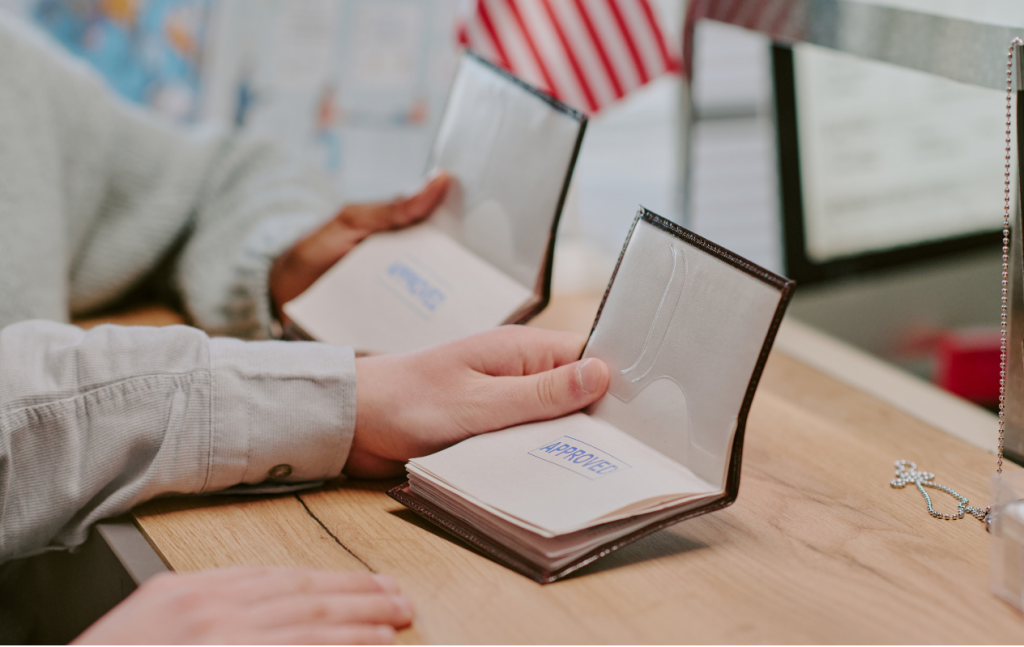
When you hear “fake ID,” you might think of a teenager trying to sneak into a bar. But in the world of scams, fake IDs are far more dangerous.
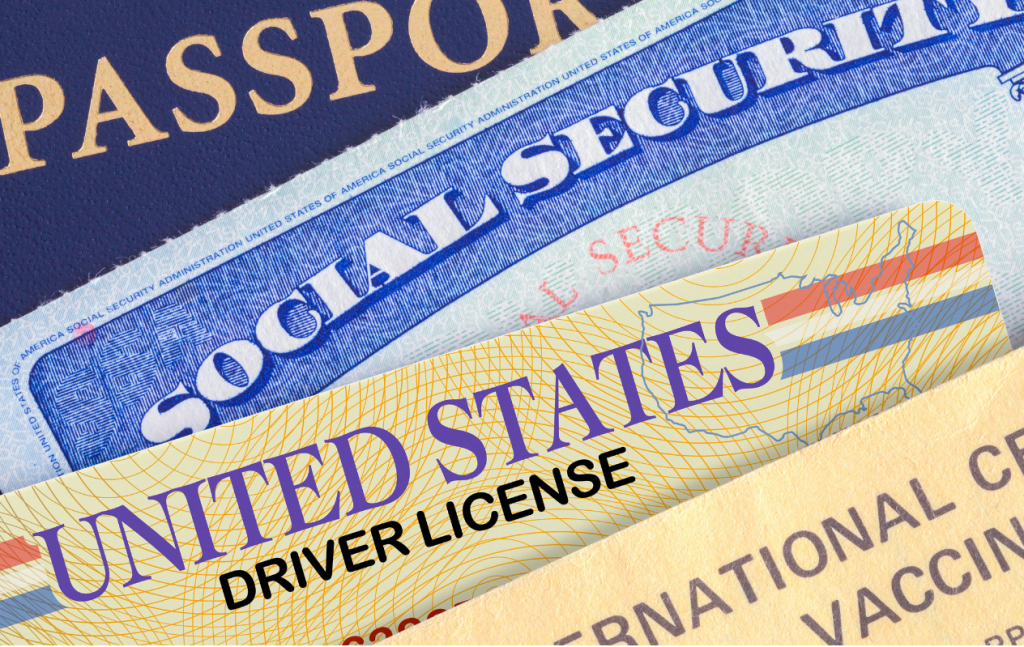
A fake ID in this context refers to any falsified identity document, credential, or persona that scammers use to deceive victims. This includes forged driver’s licenses, passports, business cards, social media profiles, and even voice recordings.
According to the FTC, imposter scams accounted for billions in losses in 2024. Scammers pretend to be government officials, bank representatives, tech support agents, or even your own family members. They use fake identities to build trust and then break it for profit.
How Scammers Create Fake IDs Today
Creating fake IDs used to require technical skills and expensive equipment. Not anymore.
AI-powered tools have changed everything. Scammers can now generate realistic government-issued IDs in less than two minutes. Sites sell them for as little as $15, and they’re good enough to fool automated verification systems. What used to be rough Photoshop jobs has evolved into slick, AI-generated fake IDs capable of tricking high-end security systems.
But it doesn’t stop there.
Scammers also use:
- Stolen social media photos to create fake profiles
- AI voice cloning to impersonate loved ones or authority figures
- Deepfake videos to appear as someone trustworthy during video calls
- Synthetic identities that combine real and fake information
They pull photos from your Instagram. They scrape your LinkedIn for job titles. They use public records to get your address. Then they stitch it all together into a convincing persona.
Common Fake ID Scams to Watch Out For
Fake IDs power some of the most successful scams out there. Here are the ones you need to know about.
Government Imposter Scams
Someone calls claiming to be from the IRS, Social Security Administration, or immigration services. They have your personal details. They say you owe money, or your benefits will be cut off. And they want payment right now.
These fake agent impersonators use fake credentials to scare victims into compliance. The median loss for government imposter scams reached $14,740 in early 2024, according to the FTC.
Romance Scams Using Fake Profiles
A charming stranger messages you on a dating app. Their profile looks real. Their photos are attractive. The conversations feel genuine.
Then they need money for an emergency. Or they want you to “invest” in a business opportunity. But the person behind that profile isn’t who they claim to be. They’re using stolen or AI-generated photos to create fake identities designed to manipulate your emotions and empty your wallet.
Phishing with Fake Business IDs
You get an email that looks like it’s from Amazon, PayPal, or your bank. The logo looks right. The language sounds professional. But click that link and you’re handing your login credentials to a scammer.
Scammers use fake business identities and forged documents to make phishing attempts look legitimate. They’ll even set up fake websites that mirror real companies.
The Grandparent Scam
A frantic call comes in. “Grandma, it’s me. I’ve been in an accident and I need money for bail.” The voice sounds familiar. The story is urgent. But it’s not your grandchild. It’s a scammer using AI voice cloning technology.
No caller ID calls often hide the scammer’s real identity. They use voice manipulation tools to sound like someone you trust.
Why Fake IDs Work So Well
Fake IDs work because they exploit trust and emotion. Scammers know that people are more likely to comply when they believe they’re talking to an authority figure or someone they care about.
Here’s what makes them so effective:
- They look real: AI-generated IDs can pass visual inspections and even some automated checks
- They sound convincing: Voice cloning can mimic accents, speech patterns, and tone
- They create urgency: Scammers pressure you to act fast before you can think critically
- They leverage fear: Threats of arrest, account closure, or harm to loved ones trigger panic
Even smart, cautious people fall for these scams. It’s not about intelligence. It’s about how well scammers exploit human psychology.
Warning Signs of a Fake ID Scam
Not sure if someone is who they claim to be? Look for these red flags:
Unexpected contact. Government agencies and legitimate businesses don’t cold call demanding immediate payment.
Pressure tactics. Scammers want you to act before you think. They’ll say things like “Your account will close in 10 minutes” or “If you don’t pay now, you’ll be arrested.”
Odd payment requests. Real organizations don’t ask for payment via gift cards, wire transfers, cryptocurrency, or payment apps.
Requests for personal info. Your bank already has your Social Security number. They won’t ask for it over the phone.
No caller ID or blocked numbers. Legitimate callers usually don’t hide their identity.
Poor grammar or odd phrasing. Even with AI improvements, some scam messages still have mistakes.
If something feels off, it probably is. Trust your gut.
How to Protect Yourself from Fake ID Scams
You can’t stop scammers from trying, but you can make it harder for them to succeed.
Verify before you trust. If someone contacts you claiming to be from a company or agency, hang up and call the official number from their website. Don’t use the number they give you.
Use identity verification tools. Services like Social Catfish can help you verify if someone is who they claim to be by searching phone numbers, emails, photos, and social media profiles.
Enable two-factor authentication. This adds an extra layer of protection to your accounts.
Freeze your credit. This prevents scammers from opening new accounts in your name.
Be skeptical of urgent requests. Legitimate organizations give you time to respond. Scammers don’t.
Watch for Real ID scams. Fraudsters have exploited REAL ID deadlines to trick people into giving up personal information or money.
Educate yourself on what is forgery. Understanding how fake documents are created helps you spot them.
What to Do If You’ve Been Scammed
If you think you’ve fallen victim to a fake ID scam, act fast.
Contact your bank immediately. Report fraudulent charges and freeze affected accounts.
File a report with the FTC at IdentityTheft.gov.
Contact one of the three major credit bureaus to place a fraud alert on your credit report.
Change your passwords. Use strong, unique passwords for each account.
Document everything. Keep records of calls, emails, messages, and transactions related to the scam.
Report it to the local police. Get a police report for your records.
The sooner you act, the better your chances of limiting the damage.
Stay One Step Ahead of Scammers
Fake IDs aren’t just pieces of paper anymore. They’re sophisticated digital tools that scammers use to steal identities, money, and peace of mind.
With AI making it easier than ever to create convincing fake IDs, staying informed is your best defense. Know the warning signs. Verify identities before sharing information or sending money. And when in doubt, use trusted tools like Social Catfish to investigate suspicious contacts.
Scammers are getting smarter, but so are you. Stay alert. Stay skeptical. And remember: real organizations and people won’t pressure you, threaten you, or ask for payment in untraceable ways. If something feels off, it probably is.