Multiple Faces Detected


 July 15th, 2025
In a digital world where connection is just a click away, trust has become both currency and a target. Scammers know this, and they’ve perfected the art of building fake identities designed to earn your confidence just long enough to exploit it. Whether it’s romance scams, fake job offers, or phishing emails from “trusted” sources, modern fraud isn’t always loud and obvious. Sometimes, it’s soft-spoken, emotionally intelligent, and dangerously convincing.
In this blog, we’ll break down how scammers build fake identities, the psychological tactics they use to gain trust, and how Social Catfish can help you verify who’s real and who’s not.
The Anatomy of a Fake Identity
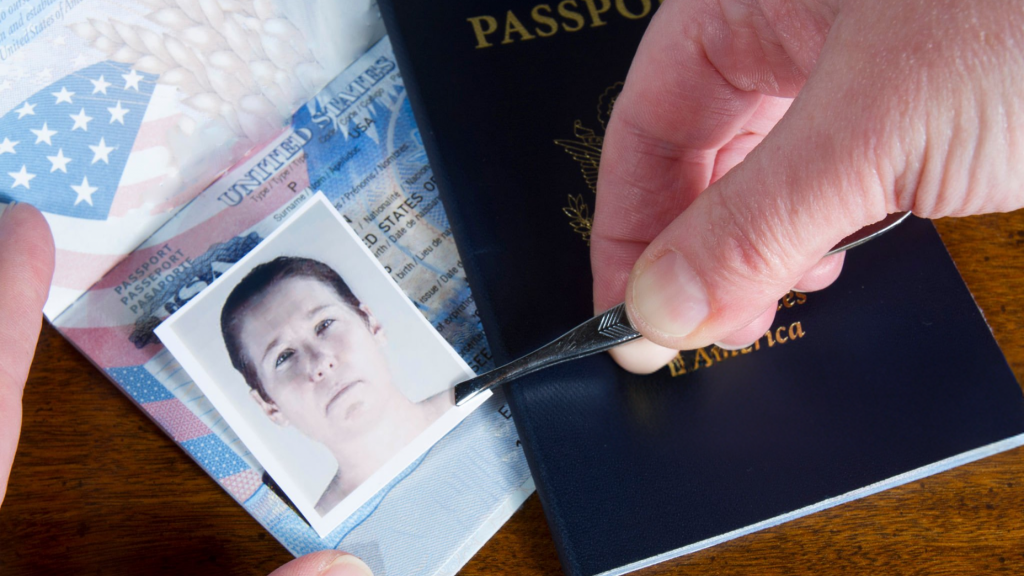
Creating a fake identity used to be the domain of criminals with forged documents and fake IDs. Today, it’s as simple as opening a new social media account, grabbing someone else’s photos, and crafting a believable backstory, complete with fake jobs, stolen bios, and staged life updates that make them appear completely real.
Here’s what scammers typically fake:
- Photos: Stolen from real people on Instagram, LinkedIn, Stock photos, or even obituaries.
- Name & Location: Often common names paired with vague locations (e.g., “John from Texas”).
- Profession: Something respectable but vague, like “engineer,” “military officer,” or “entrepreneur.”
- Backstory: They may claim to be widowed, recently divorced, or traveling, scenarios that explain emotional vulnerability and limited availability.
Social Proof: Fake friend lists, testimonials, or fabricated social media profiles with minimal interaction but realistic content.
How Scammers Build Trust
The real danger isn’t just the fake identity; it’s how convincingly and strategically scammers use it to create emotional bonds, manipulate trust, and control the narrative. Here are the key psychological tactics they rely on:
1. Emotional Manipulation
Scammers move quickly to create intimacy. In romance scams, they often say “I love you” within days or weeks. They share personal “secrets” to encourage emotional investment and prompt you to do the same.
2. Mirroring and Flattery
They reflect your values, hobbies, or language style to you to create a sense of compatibility. This builds a false sense of connection based on what you want to hear.
3. Urgency and Exclusivity
They’ll suggest that your connection is rare and special, creating pressure to act fast, whether that means sending money, moving off-platform, or ignoring red flags.
4. Isolation
Scammers often discourage you from sharing details of the relationship with friends or family. The less outside input you receive, the easier it is for them to control the narrative.
5. Preemptive Excuses
They anticipate skepticism with ready-made excuses:
- “I can’t video chat because my camera is broken.”
- “I’m working overseas and can’t meet you right now.”
- “My job requires me to keep a low profile.”
These excuses are designed to lower your expectations and delay suspicion. If someone consistently avoids transparency or real-time communication, it’s a sign to pause and verify. Trust your instincts, and use a tool like Social Catfish to confirm who you’re talking to.
How Fake Identities Evolve Over Time
Scammers don’t always send requests immediately. One of the most effective tactics they use is gradual escalation. What begins as a simple conversation can slowly evolve into a sophisticated manipulation scheme.
Here’s How Fake Identities Often Develop:
Phase 1: Establishing Legitimacy
The scammer builds a surface-level profile that looks believable, with good photos, a plausible job, mutual interests, and maybe even a few friends or followers.
Phase 2: Emotional Bonding
Once contact is made, they invest time in daily conversation. They mirror your language, recall small details, and slowly build emotional trust.
Phase 3: Isolation and Dependency
As trust grows, they may subtly discourage you from sharing details with others. They become your main point of emotional connection, often replacing other support systems.
Phase 4: The Ask
Once the bond is strong, the scammer introduces a problem: a financial emergency, a business deal, travel complications, or legal trouble. The request for money or help is framed as temporary, and tied to your emotional connection.
Phase 5: Control or Disappearance
If successful, the scam may repeat with new “emergencies.” If you resist, they may become manipulative, or vanish completely.
Why it matters:
Understanding the lifecycle of a fake identity helps you recognize manipulation before it escalates. Scammers don’t just lie, they build relationships to anchor their lies in your emotions.
Common Scenarios Where Fake Identities Are Used
Instead of sharing a single real-life example, here’s a breakdown of the most common situations where scammers rely on fake identities to build trust and manipulate their targets.
Romance Scams
These are some of the most emotionally devastating. Scammers use dating apps, Facebook, and Instagram to pose as ideal partners. Once emotional attachment is established, they introduce an urgent need, usually financial, and begin exploiting the victim.
Fake Job Offers
Scammers impersonate HR professionals or recruiters from well-known companies. They conduct fake interviews, send fraudulent offer letters, and then ask for upfront payments for training, software, or background checks, none of which are real.
Rental and Real Estate Scams
Using stolen photos from real listings, scammers create fake rental ads to attract tenants. They communicate professionally, build rapport, and request security deposits or first month’s rent without ever showing a property.
Medical and Military Impersonations
People posing as doctors or military personnel often claim to be stationed overseas. These professions are chosen because they naturally explain limited availability, restricted communication, or the need for financial help with “clearance” or travel.
Social Media Influencer Scams
Scammers copy content and photos from real influencers to create fake profiles. From these accounts, they may promote fake giveaways, cryptocurrency “investments,” or direct users to phishing sites.
Why Verifying Online Identities Matters More Than Ever
In today’s online world, first impressions are often digital. Whether it’s a new romantic interest, a recruiter, a landlord, or a potential business contact, most of us now meet people through screens before we ever meet in person. This makes identity verification a vital part of staying safe.
Verifying someone’s identity isn’t invasive, it’s responsible. It protects your time, your finances, and your emotional well-being.
Whether you’re:
- Connecting with someone new on a dating site
- Interviewing for a remote job
- Engaging in an online marketplace
- Or forming new friendships through social media
…it’s smart to pause and ask, “Is this person really who they say they are?”
With Social Catfish, you can:
- Confirm if profile images are stolen
- Investigate emails, usernames, and phone numbers
- Uncover duplicate identities and patterns across platforms
- Access professional investigation support if needed
Trust shouldn’t come at the expense of your safety. Before you invest emotionally or financially, invest in certainty.
Red Flags That Suggest a Fake Identity

Here’s what to watch out for:
- Reluctance to video chat or meet in person
- Professionally taken or overly polished photos
- Inconsistent stories or changing details
- Moving quickly from “Hello” to “I love you”
- Asking for money, gift cards, or crypto
- Communication only through certain apps (e.g., Telegram, WhatsApp)
How Social Catfish Can Help You Catch a Fake
When someone seems too good to be true, or you’re just unsure, Social Catfish provides powerful tools to verify their identity:
Reverse Image Search
Upload their photo to see where else it appears online. If it’s linked to multiple names or platforms, it’s likely stolen.
Email & Phone Lookups
Check if their email or phone number is tied to real people, or known scam reports.
Username & Social Media Search
Look into the usernames they use across platforms. We can help you spot inconsistencies or fake account patterns.
Full Background Checks
Get access to public records, aliases, criminal history, and more, so you know who you’re talking to.
Professional Investigations
If you’re already entangled in something that feels suspicious, our team of investigators can dig deeper.
FAQ: Spotting and Avoiding Fake Identities
Q: Is it common for scammers to use real people’s photos?
Yes. It’s one of the most common forms of catfishing. They often steal images from social media or modeling sites.
Q: Can I trust LinkedIn profiles?
Not entirely. Scammers can clone or fabricate professional profiles. Always cross-reference using Social Catfish.
Q: What should I do if I suspect someone is fake?
Stop communication, don’t send any money, and run their details through Social Catfish’s tools to verify.
Q: What if I’ve already sent money or personal info?
Cut contact immediately, report the scam to the platform and authorities, and use Social Catfish to investigate further or prevent additional damage.
Final Thoughts: Verify Before You Trust
The internet has made it easier than ever to connect, but it’s also made it easier for scammers to hide behind convincing lies. A fake identity can cost you more than just money; it can waste your time, manipulate your emotions, and damage your trust in others.
These scams are rarely obvious. They’re built on charm, consistency, and calculated deception. That’s why it’s not enough to trust your gut; you need to trust the facts.
Before you invest in any relationship, romantic, professional, or personal, take the extra step to verify. With Social Catfish, you don’t have to wonder if someone is real. You can know for sure.
Trust should be earned. With the right tools, it doesn’t have to be broken.