 Multiple Faces Detected


 June 8th, 2025
Many people still use weak, predictable, or reused passwords across multiple accounts. Despite growing awareness of cybersecurity risks, this habit continues to expose both individuals and businesses to preventable threats.
Brute force attacks remain one of the most common and effective hacking methods because they exploit the easiest point of entry: poor password hygiene. According to the 2024 Verizon Data Breach Investigations Report, credential theft was involved in 38% of all reported breaches.
This article explains how brute force attacks work, the real-world damage they can cause, and the practical steps you can take to strengthen your defenses.
What is a Brute-force Attack?

A brute force attack is a trial-and-error method used to gain access to sensitive information by systematically attempting to guess passwords, encryption keys, or login credentials.
It’s most commonly used to crack account passwords, but attackers also target API keys, SSH logins, and encrypted files.
These attacks typically use automated scripts or bots to make thousands of login attempts in a short time. They often target a website’s login page or remote access points.
Once successful, the outcome often depends on what hackers can do with your password, ranging from data theft to complete account takeover.
What makes brute force attacks different from more sophisticated hacking methods is that they don’t rely on strategy or insider knowledge. Instead, they try every possible combination until something works.
Types of Brute Force Attacks
Brute force attacks come in several forms, each using a different strategy to guess or reuse credentials to gain unauthorized access.
Traditional Brute Force Attack
This is the most basic form. It uses automated software that tries every possible combination of characters until it finds the correct password for a specific username. The process can be time-consuming, but with short or simple passwords, success can come quickly.
Dictionary Attack
Instead of random guesses, this method uses a list of commonly used words, like those found in a dictionary. The attacker runs these through the login field, hoping one of them is the correct password.
This highlights the danger of using simple words like “password” or “welcome123” and the value of creating more random or unique combinations.
Hybrid Brute Force Attack
This approach combines the random guessing of a traditional brute force attack with a dictionary list. It might try a common word like “summer” and then add numbers or symbols, like “summer2024!” to find a match.
These are especially effective against passwords that follow common patterns.
Credential Stuffing
Attackers use real usernames and passwords stolen in previous data breaches to attempt logins on other websites.
Since many people reuse the same credentials across multiple accounts, this method can quickly escalate into a full-scale data breach if attackers access sensitive systems undetected.
Password Spraying
Password spraying, also known as a reverse brute force attack, involves using a handful of the most commonly used passwords, such as “123456” or “Password1”, and attempting them across a large list of usernames.
Because it spreads attempts across many accounts, it often bypasses lockout systems designed to block repeated failures on a single user. To reduce your exposure, avoid using common usernames, such as “admin” or your email prefix.
Rainbow Table Attack
This attack focuses on cracking encrypted (hashed) passwords. Attackers use a precomputed table that matches common passwords with their hashed values.
If they can get access to a database of password hashes, they compare them against the rainbow table to find a match. If one is found, the corresponding password is revealed.
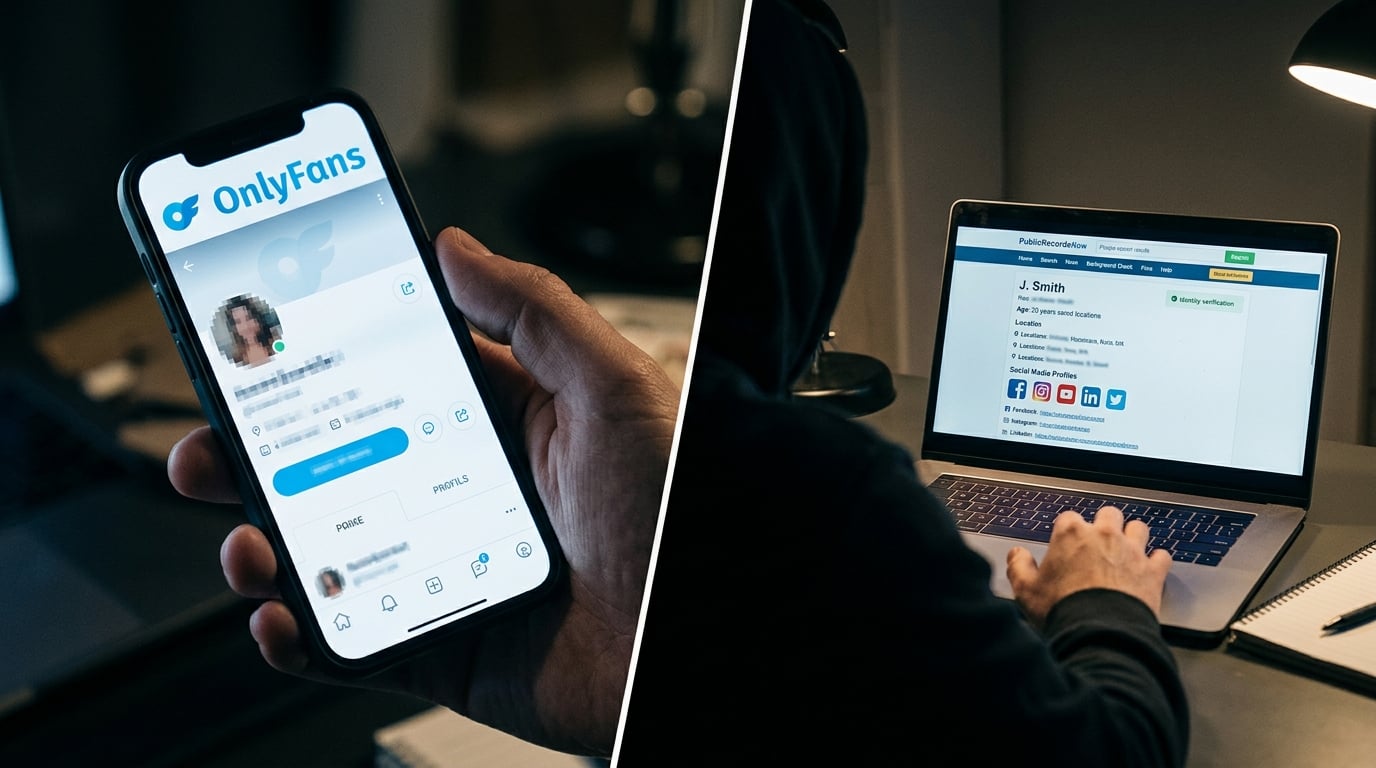
For anyone facing suspicious activity or unsure who is behind it, our full suite of reverse lookup tools, including image, email, and username search, can help uncover who is really on the other end.
How to Protect Yourself from Brute Force Attacks
Brute force attacks exploit the simplest vulnerabilities, weak passwords, default settings, and lack of layered security. The good news is that these attacks are highly preventable with a few practical measures.
Use a Password Manager
Every account should have a strong password. A good password is at least 16 characters long and includes a mix of uppercase and lowercase letters, numbers, and special symbols.
Password managers make this easy by generating and storing secure passwords for you, eliminating the need to remember them, and reducing the temptation to reuse them.
Turn On Multi-Factor Authentication (MFA)
Multi-factor Authentication adds a second layer of protection, making it much harder for attackers to succeed even if they guess your password.
While SMS-based codes are better than nothing, app-based options like Google Authenticator or physical security keys are far more secure. Microsoft reports that MFA can block over 99% of automated brute force attacks.
Limit Login Attempts
One of the simplest ways to prevent brute force attacks is to limit the number of login attempts allowed.
Many platforms and plugins allow you to set a maximum number of failed logins before temporarily locking the account or IP address. This slows down attackers and prevents mass guessing.
Monitor for Suspicious Login Behavior
Setting up alerts helps you act quickly before an intruder gains deeper access or uses your credentials to bypass privacy settings and compromise accounts.
Taking steps to protect your personal information can reduce the risk of further misuse across social platforms and connected services.
Secure Admin Panels and Access Points
Many brute force attacks originate from automation tools shared on underground forums or platforms where most scams happen, making it even more important to restrict admin login pages.
Simple changes, such as renaming your login URL or limiting access by IP address, can make a significant difference in reducing exposure.
Keep Software and Systems Updated
Brute force attacks are often combined with known software vulnerabilities. If your system isn’t patched, an attacker who cracks a weak login could immediately escalate privileges or install malware.
Regular updates close those gaps before they can be exploited, which is a core principle of website security for preventing larger breaches.
Brute Force Attacks Are Preventable

Brute force attacks succeed not because hackers are brilliant, but because users leave doors open. Weak passwords, reused credentials, and unprotected login portals are the easiest way in.
Some consequences include WordPress site takeover, ransomware attacks, stolen files, complete system lockout, and other severe issues. These attacks can escalate quickly, often before the victim realizes what’s happening.
Anyone who’s already been targeted or suspects a breach shouldn’t wait. Our Search Specialists at Social Catfish are here to identify digital intruders, recover compromised accounts, and guide you through the cleanup process with speed and clarity.