 Multiple Faces Detected


 August 25th, 2025
Ever found yourself asking, “What is the zip code for my location?” You’re not alone. Whether you’re filling out an online form, setting up a delivery, or just need to verify where you are, finding your zip code seems simple enough. But here’s the thing – your zip code reveals way more about you than you might think.
And that matters. A lot.
Finding Your Current Zip Code: The Quick Methods
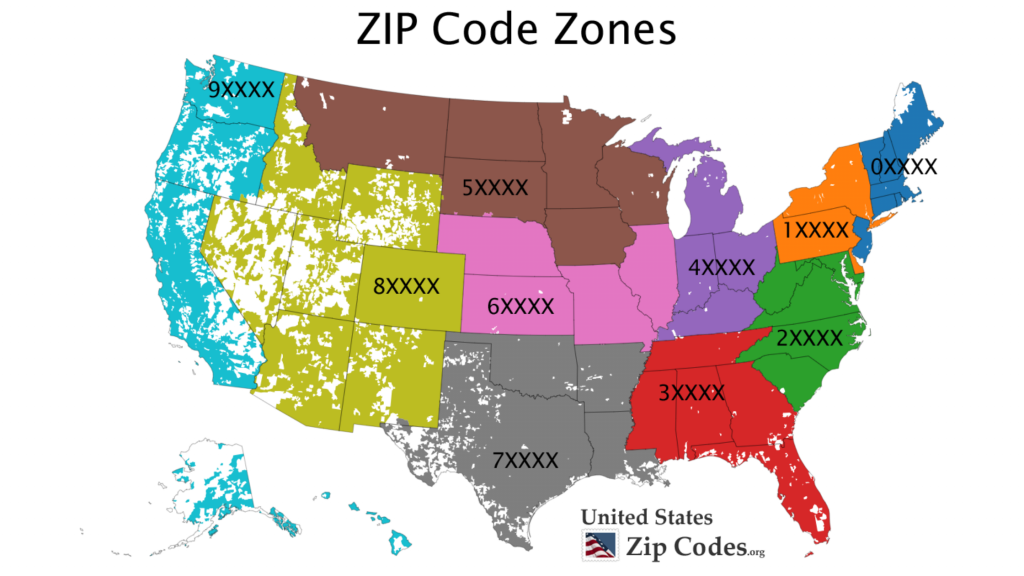
Let’s start with the basics. There are several ways to find what is the zip code for my location:
Use Your Device’s Location Services
Most smartphones can pinpoint your exact zip code using GPS. Simply search “what is my zip code” in your browser, and location-based tools will show your current postal code instantly. The USPS ZIP Code Lookup tool is the official source for accurate zip code information.
Check Your Address
If you know your street address, you can easily look up the corresponding zip code. The United States Postal Service maintains the official database of all zip codes.
Ask Your Internet Provider
Some websites can estimate your zip code based on your IP address. However, this method isn’t always accurate because your internet connection may route through multiple locations.
Why Your Zip Code Is More Powerful Than You Think
Here’s where things get interesting. That five-digit number isn’t just for mail sorting.
Your zip code is a data goldmine. It reveals your approximate income level, education background, political leanings, and lifestyle preferences. Marketing companies pay big money for this information. According to Fox 8 News, “For the majority of the country, the zip code is going to be the piece of the puzzle that is going to enable a merchant to identify you.”
But it gets worse.
Research shows that combining your zip code with just two other pieces of information – your birth date and gender – can uniquely identify about 87% of Americans. That’s not a typo. Nearly 9 out of 10 people can be pinpointed with these three data points alone.
The Hidden Dangers: How Scammers Use Your Zip Code
Scammers love zip codes. They’re easy to collect and incredibly useful for building detailed profiles.
Identity Theft Made Easy
When you provide your zip code at checkout, you might think it’s for fraud prevention. Sometimes it is. But often, that information gets stored, sold, and combined with other data to create a complete picture of who you are and where you live.
Phone Scams Get Personal
Ever wonder how scam callers know so much about you? Your zip code helps them research your neighborhood, property values, and local concerns. This makes their pitches sound more legitimate and harder to spot.
SMS Phishing Attacks
SMS phishing scams often reference local businesses or events. Scammers use zip code data to make their fake messages seem authentic and relevant to your area.
When Sharing Your Zip Code Becomes Risky
Not all zip code requests are created equal. Here’s when you should be extra cautious:
Retail Transactions
California’s Supreme Court ruled that requesting zip codes during credit card transactions violates consumer privacy laws. Many retailers still ask, but you can often decline. This information is rarely necessary for processing your payment.
Online Forms
Be selective about which websites get your zip code. Legitimate services like shipping calculators need it. Random surveys and contests? Probably not.
Phone Calls
Never give your zip code to unsolicited callers. Legitimate businesses won’t need this information during cold calls. If someone claims they need it for verification, hang up and call the company directly using a number you trust.
Protecting Yourself: Smart Zip Code Practices
You don’t have to become paranoid, but you should be strategic.
Question Every Request
Before providing your zip code, ask yourself: “Does this service actually need this information?” If you’re buying something online that requires shipping, yes. If you’re signing up for a newsletter, probably not.
Use Alternative Zip Codes
For non-essential services, consider using a nearby zip code instead of your exact one. This gives you some privacy protection while still providing useful demographic information if needed.
Monitor Your Information
Keep track of where you’ve shared your zip code. If you start receiving targeted marketing or suspicious calls, you’ll have a better idea of where the leak might have occurred.
Verify Phone Numbers
If someone calls claiming to be from a local business and asks for your zip code, be suspicious. Learn how to tell if a phone number is real before engaging with unknown callers.
The Technology Behind Location Detection
Modern zip code detection relies on several technologies working together.
GPS Accuracy
Your smartphone’s GPS can pinpoint your location within a few meters. This makes zip code detection incredibly accurate for mobile users.
IP Geolocation
When you’re using WiFi, websites can estimate your location based on your internet connection. This method is less precise but still useful for general area identification.
Cell Tower Triangulation
Mobile networks use nearby cell towers to estimate your location. This backup method works when GPS signals are weak.
Beyond Basic Zip Codes: ZIP+4 and Privacy
The standard five-digit zip code is just the beginning. ZIP+4 codes add four more digits that can narrow down your location to a specific building or even a floor within that building.
This level of precision raises serious privacy concerns. While ZIP+4 codes are incredibly useful for mail delivery, they’re also extremely revealing about your exact location.
Most location-finding tools stick to five-digit codes for privacy reasons. But it’s worth knowing that more precise data exists and could potentially be collected.
What This Means for Your Digital Safety
Your zip code is part of a larger digital footprint that follows you everywhere online.
Social Media Connections
Platforms like Facebook use location data, including zip codes, to suggest friends and target advertisements. Even if you don’t explicitly share your zip code, the platform might infer it from your other activities.
Data Brokers
Companies collect and sell personal information, including zip codes, to marketers and other businesses. Social Catfish helps people understand how their personal information spreads online and what they can do about it.
Background Checks
Your zip code history becomes part of your digital record. This information can show up in background checks and people search results.
Staying One Step Ahead
The key to protecting yourself isn’t avoiding technology – it’s understanding how your information gets used and making informed decisions.
Use Reverse Lookups Wisely
Tools like reverse phone lookup can help you identify suspicious callers who might be fishing for your personal information, including your zip code.
Block Suspicious Numbers
If you’re getting calls from numbers you don’t recognize, especially ones asking for personal information, learn how to block them effectively.
Understand Phone Carrier Protections
Phone carriers have implemented changes to prevent spoofing scams, but scammers continue to evolve their tactics.
The Professional Perspective
Security experts recommend treating your zip code like any other piece of personal information – valuable and worth protecting.
Search specialists who help people investigate online threats see zip code misuse regularly. They recommend being selective about when and where you share this information.
The goal isn’t to live in fear, but to make informed choices about your privacy and security.
Taking Control of Your Information
Knowledge is power. Now that you understand what your zip code reveals and how it can be misused, you can make better decisions about when to share it.
Remember: just because someone asks for your zip code doesn’t mean you have to provide it. Question requests that seem unnecessary. Use alternative codes when possible. And always be suspicious of unsolicited calls asking for personal information.
Your zip code might seem like a small piece of information, but in the wrong hands, it can open doors you never intended to unlock. Stay informed, stay cautious, and stay in control of your personal data.
When you need to find “what is the zip code for my location,” use trusted sources and be mindful of who else might be watching. Your privacy is worth the extra effort.