 Multiple Faces Detected


 February 26th, 2026
You lock your front door every night without thinking about it. But what about the door to your digital life?
Most people leave it wide open.
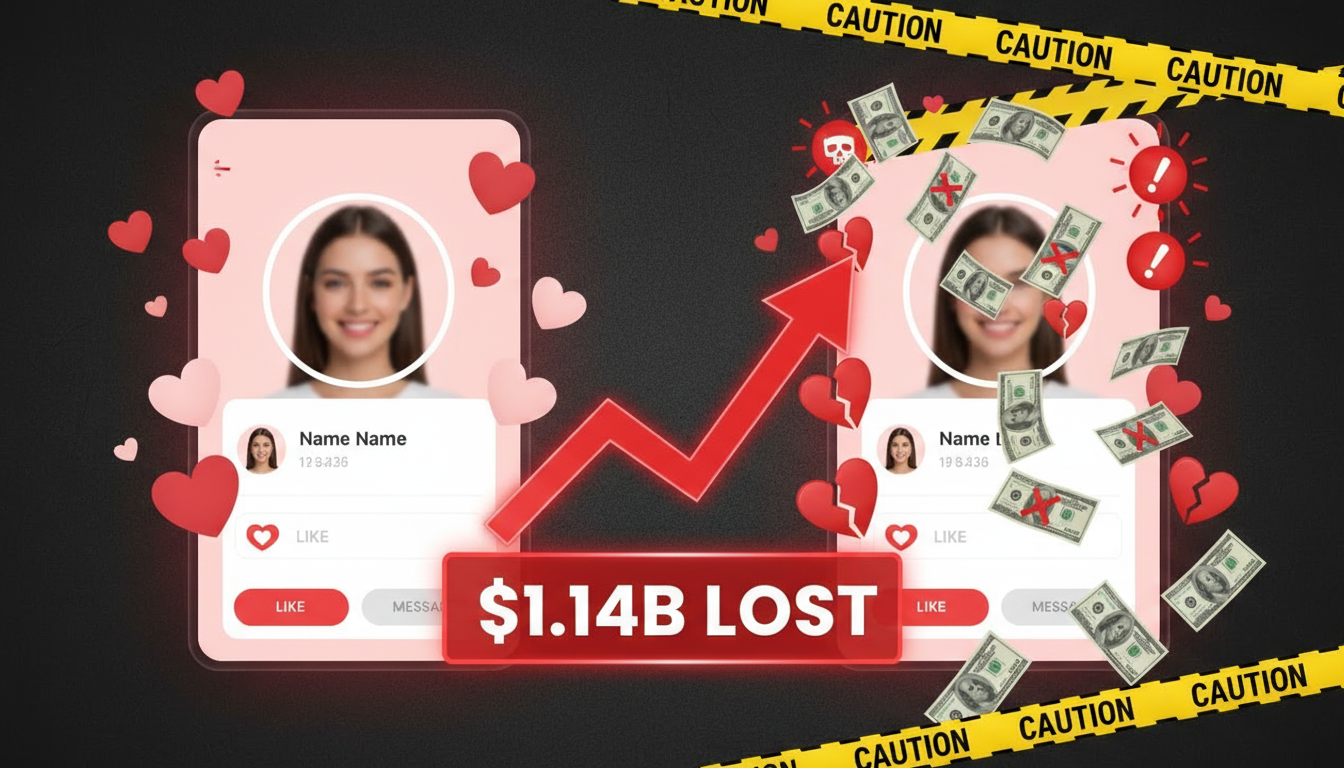
According to the Federal Trade Commission, consumers reported losing more than $12.5 billion to fraud in 2024, a 25% jump over the prior year. In that same period, over 1.1 million Americans filed identity theft reports through the FTC’s website. Behind every one of those reports is a real person who had their information stolen, often without realizing it had happened until the damage was already done.
Here is the uncomfortable reality: your personal information is probably more exposed than you know. Data brokers are selling your name, home address, and phone number to anyone willing to pay. Hackers are scanning for weak passwords around the clock. Scammers are crafting messages that look exactly like something your bank or the IRS would send. And somewhere out there, a detailed profile of you built from dozens of sources is circulating without your knowledge or consent.
The good news? Protecting yourself is not as complicated as it sounds. It takes awareness, a few strong habits, and the right tools.
What Counts as Personal Information

Most people think of a Social Security number when they hear “personal information.” But the term covers far more than that. Any of the following, in the wrong hands, can be used to steal your identity, drain your accounts, or target you with highly convincing scams:
- Identifying details: full name, date of birth, home address, phone number, email address
- Financial information: bank account numbers, credit card numbers, routing numbers
- Government identifiers: Social Security number, driver’s license number, passport number
- Login credentials: usernames, passwords, security question answers, PINs
- Health and medical data: insurance details, medical records, prescription history
- Behavioral data: browsing history, location history, purchase patterns
- Biometric data: fingerprints, facial recognition data
- Social media information: usernames, linked accounts, relationship details
Combined, these pieces give someone nearly everything they need to impersonate you, open credit in your name, or access your most sensitive accounts.
How Your Personal Information Gets Exposed
Understanding how your information leaves your control is the first step toward keeping it safe.
Phishing and Smishing Attacks
Phishing is a fraudulent message, usually an email, that impersonates a trusted source like your bank, the IRS, or Amazon, and tricks you into clicking a link or handing over personal details. Smishing is the same tactic over text message. These attacks have grown more sophisticated every year, and even tech-savvy people fall for them regularly.
Data Breaches
When companies that store your data get hacked, your information can end up for sale on the dark web. The Identity Theft Resource Center found that 2025 set a new record for data compromises, with 3,322 breach events, up 5% from the previous record set in 2024. About 80% of Americans surveyed said they received at least one data breach notice in the past 12 months. If you have ever created an account anywhere online, your information has likely been exposed in at least one breach you never heard about.
Data Brokers and People-Search Sites
Data brokers legally collect, compile, and sell your personal information without your consent. Sites like Whitepages, Spokeo, and BeenVerified make your name, address, relatives, phone number, and more freely available to anyone who searches. You have almost certainly never permitted these companies to publish your details, but they do it anyway.
Social Media Oversharing
Every time you post your location, mention your birthday, tag your workplace, or share photos of family members, you are handing potential attackers pieces of your profile. Scammers use this information to answer security questions, craft personalized messages, and build convincing impersonations.
Weak and Reused Passwords
If you use the same password across multiple sites, one breach can give attackers access to all of your accounts. Hackers routinely run stolen credentials against hundreds of other websites in automated attacks known as credential stuffing. One compromised password can become a skeleton key.
Public Wi-Fi
When you connect to public Wi-Fi without a VPN, your data can be intercepted by others on the same network. Banking, shopping, and logging into accounts on public networks are all higher-risk activities than most people realize.
How to Protect Your Personal Information: 10 Steps That Actually Work
1. Use Strong, Unique Passwords for Every Account
- Every account needs its own password. If one site gets breached and you reuse passwords, attackers can access everything else you own
- A strong password is at least 12 characters long and combines uppercase and lowercase letters, numbers, and symbols
- A password manager generates and stores complex passwords for every account so you only need to remember one master password
- Never use your name, birthday, pet’s name, or anything someone could find on your social media
2. Turn On Two-Factor Authentication Everywhere
- Two-factor authentication adds a second verification step when you log in, typically a code sent to your phone or generated by an app
- Even if someone steals your password, they cannot get in without that second factor
- Enable it on your email first your inbox is the master key to every other account you have
- From there, turn it on for banking, social media, and anything else that offers it
3. Lock Down Your Social Media Privacy Settings
- Default settings on most platforms are designed to share more than most people realize
- Set your posts to Friends Only and remove your phone number and email from public view
- Disable location tagging on posts your location history is more valuable to scammers than most people think
- Every piece of personal information visible on your profile is a resource a scammer can use to target you
4. Freeze Your Credit
- A credit freeze prevents anyone from opening new credit accounts in your name it is free and does not affect your existing credit score
- Contact Equifax, Experian, and TransUnion individually to place the freeze with each bureau
- You can lift it temporarily anytime you need to apply for new credit, then freeze it again when you are done
- The Identity Theft Resource Center calls this the single most effective protection against new-account fraud
5. Monitor Your Credit Reports Regularly
- You are entitled to a free credit report from each of the three major bureaus at AnnualCreditReport.com
- Check for accounts you did not open, addresses you have never lived at, or inquiries you did not authorize, all signs someone is using your identity
- Set up transaction alerts through your bank so you are notified the moment any charge hits your account rather than finding out weeks later on a statement
6. Be Skeptical of Every Unsolicited Message
- Legitimate banks, government agencies, and delivery services will never ask for your password, Social Security number, or payment details through an unsolicited message
- Before clicking any link in an email, text, or social media message pause and think
- If something feels urgent or out of the ordinary, go directly to the organization’s official website by typing the address yourself
- Urgency is a manipulation tactic the more pressure you feel to act fast, the more carefully you should slow down
7. Understand How AI Is Being Used Against You
- Criminals are now using artificial intelligence to make scams dramatically more convincing than ever before
- AI can clone a family member’s voice from a short audio clip found online and call you pretending to be them in an emergency
- AI-generated phishing emails are now polished and personalized. The spelling errors and awkward phrasing that used to signal a scam are gone
- Deepfake video technology can put a trusted face on a fraudulent video call
- The rule has changed: if someone contacts you unexpectedly, asking for money or personal information even if they look or sound familiar verify through a separate known channel before doing anything
8. Opt Out of Data Broker Sites
- Data brokers collect your name, home address, phone number, relatives, and more and make it available to anyone willing to search
- They are required to honor removal requests, but the process is slow and your information tends to reappear after a few months
- Start with the highest-traffic people-search sites and work through them systematically
- Removing your information makes it significantly harder for scammers to build a profile on you before making contact
9. Keep All Your Devices and Software Updated
- Every software update you ignore is a potential open door for hackers
- Updates routinely include security patches that close vulnerabilities being actively exploited
- This applies to your phone, computer, browser, and apps
- Turn on automatic updates wherever possible so your protection stays current without requiring you to remember
10. Wipe Old Devices Before Getting Rid of Them
- A factory reset on an old phone or computer does not always fully erase your data use software designed to overwrite the drive completely
- For physical documents, bank statements, pay stubs, tax forms, anything with your Social Security number shred them rather than throwing them away
- Identity thieves are not all working online; some simply go through recycling bins
How Social Catfish Helps Protect Your Personal Information

Knowing your information is out there is one thing. Knowing exactly what is available and being able to verify the people you interact with online is another. Social Catfish gives you tools that go well beyond what most people think to check.
See What Is Already Public About You
A name, phone number, email, or address search on Social Catfish shows you what is publicly linked to your identity right now, the same information scammers, data brokers, and bad actors can access. Seeing your own digital footprint is the first step toward deciding what to remove or restrict.
Verify People Before Trusting Them
If you meet someone online through a dating app, social media, a marketplace, or anywhere else, Social Catfish lets you verify their identity before you share any personal information with them. A reverse image search can confirm whether a profile photo is real or stolen from someone else. Name, phone, and email searches cross-reference multiple databases to confirm whether a person is who they claim to be.
Check If Your Email Has Been Compromised
Social Catfish’s breach checker tool lets you search your email address to find out whether it has appeared in known data breaches. If it has, you can immediately change affected passwords and secure compromised accounts before damage occurs.
Reverse Phone Lookup
Receive a call or text from an unknown number? A reverse phone lookup on Social Catfish can identify who the number belongs to, useful for spotting scam callers or verifying whether a contact is legitimate before you respond.
Search Specialists
For more complex investigations, Social Catfish search specialists can dig deeper on your behalf — whether you are trying to verify someone’s identity, understand your own digital exposure, or investigate an online relationship that does not feel right.
Top 5 Frequently Asked Questions
Watch for unfamiliar charges on your statements, unexpected bills for services you never used, or surprise credit denials. Tax-related theft often surfaces when the IRS rejects your return because someone already filed using your Social Security number. Proactively, check your credit reports at AnnualCreditReport.com for accounts you do not recognize.
Freeze your credit with all three bureaus: Equifax, Experian, and TransUnion. It is free, takes about 15 minutes, and the Identity Theft Resource Center calls it the single most effective protection against new-account fraud. Even if a criminal has your Social Security number, they cannot open new credit in your name with a freeze in place. After that, enable two-factor authentication on your email account; it is the master key to every other account you own.
Yes, and faster than most people expect. Data brokers and people-search sites use phone numbers and email addresses as lookup keys to surface names, home addresses, and relatives within minutes. You can run a reverse phone or email search on Social Catfish at socialcatfish.com to see exactly what comes up when someone searches your contact details.
Change the breached account password immediately, and update it anywhere you reused that password. If financial details were exposed, call your bank or card issuer right away. If your Social Security number was involved, freeze your credit with all three bureaus and visit IdentityTheft.gov for the FTC’s step-by-step recovery plan.
Not completely, but you can significantly reduce your exposure. Opt out of major data broker sites, tighten your social media privacy settings, and delete old accounts you no longer use. Keep in mind that data brokers often re-add your information after a few months, so it requires ongoing effort rather than a one-time fix.
Conclusion
Your personal information is one of the most valuable things you own and one of the most targeted. The threats are not slowing down, and the tactics being used against everyday people are more sophisticated than ever.
But staying protected does not require being a tech expert. It requires consistency. Freeze your credit, use strong unique passwords, turn on two-factor authentication, and stay skeptical of anything that creates sudden urgency. Those four habits alone put you well ahead of most people.
The other piece is knowing what is already out there about you. Most people are surprised when they see how much personal information is publicly linked to their name, phone number, or email address — information that scammers, data brokers, and bad actors can access just as easily.
Run a search on Social Catfish today and see exactly what is publicly available about you. It takes less than a minute, and what you find will tell you exactly where to start.