
 Multiple Faces Detected



 September 22nd, 2024
The term “catfishing” has become a common phrase used to describe a deceptive online relationship. But where did this term originate from and why is it called catfishing? Let’s dive into the history and meaning behind this popular term.
The Origin of the Term
The term “catfishing” was first coined in the 2010 documentary film, “Catfish.” The film follows the story of a man who falls in love with a woman he meets online, only to discover that she is not who she claims to be. The term was inspired by a story told by the man’s brother, who explained that fishermen would put catfish in with their catch of cod to keep the cod active and ensure their flesh stayed fresh. This analogy was used to describe how people create fake online personas to lure others into a relationship.
What is Catfishing?
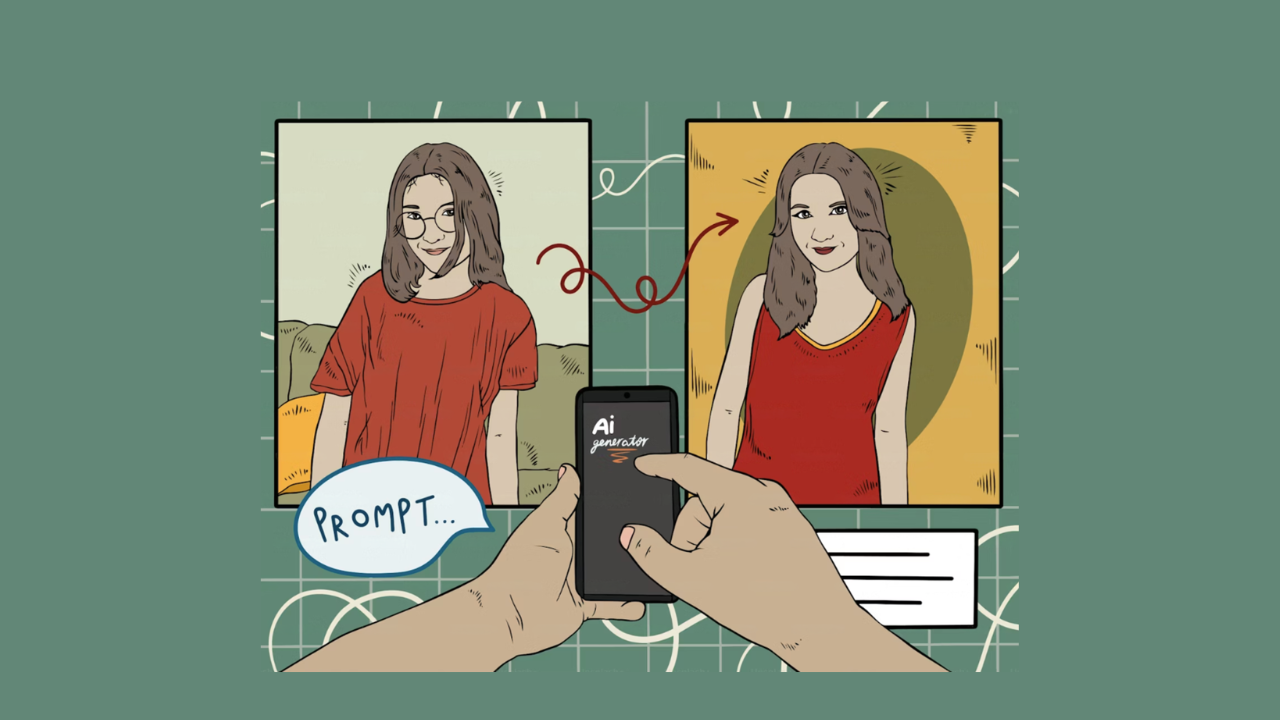
Catfishing is the act of creating a fake online identity to deceive someone into a romantic relationship. This can involve using fake photos, information, and even creating a completely fictional persona. The catfisher will often use these tactics to gain the trust and affection of their victim, leading them to believe they are in a genuine relationship.
Catfishing can occur on various online platforms, such as social media, dating websites, and even through text messaging. The catfisher will often use a combination of emotional manipulation and lies to keep their victim invested in the relationship. This can have devastating effects on the victim, both emotionally and financially.
Why Do People Catfish?
There are various reasons why someone may engage in catfishing. Some do it for financial gain, while others do it for emotional gratification. In some cases, the catfisher may have low self-esteem and use a fake persona to feel more desirable and confident. Others may do it as a form of revenge or to play a cruel prank on someone.
In recent years, catfishing has also become a popular tactic for scammers. They will create fake profiles and lure unsuspecting victims into sending them money or personal information. This type of catfishing is not only emotionally damaging but can also have serious financial consequences.
How to Protect Yourself from Catfishing
With the rise of online dating and social media, it’s important to be aware of the signs of catfishing and take precautions to protect yourself. Here are some tips to avoid falling victim to a catfisher:
- Do your research: Before getting too invested in an online relationship, do some research on the person. Look for any inconsistencies in their story or photos.
- Video chat: If possible, try to video chat with the person to confirm their identity.
- Don’t send money: Be cautious of anyone asking for money or personal information, especially if you have never met them in person.
- Trust your instincts: If something feels off or too good to be true, trust your gut and proceed with caution.
How Can Social Catfish Help with Catfishing?
There are several reasons why you should consider using Social Catfish to protect yourself from catfishing. Firstly, it can save you from potential heartache and emotional distress. By verifying the identity of the person you are talking to, you can avoid falling for someone who is not who they claim to be.
Secondly, Social Catfish can also protect you from financial scams. Many catfish use fake identities to gain the trust of their victims and then ask for money or personal information. By using Social Catfish, you can uncover any red flags and avoid becoming a victim of these scams.
Lastly, Social Catfish can also help you protect your personal information. By verifying the identity of the person you are communicating with, you can ensure that you are not sharing personal information with a stranger. This can help prevent identity theft and other cybercrimes. Get started by using the search bar below.
Conclusion
Catfishing is a serious issue that can have damaging effects on its victims. It’s important to be aware of the signs and take precautions to protect yourself when engaging in online relationships. Remember, if something feels off, it’s always better to err on the side of caution. Stay safe and happy browsing!