 Multiple Faces Detected


 July 1st, 2023
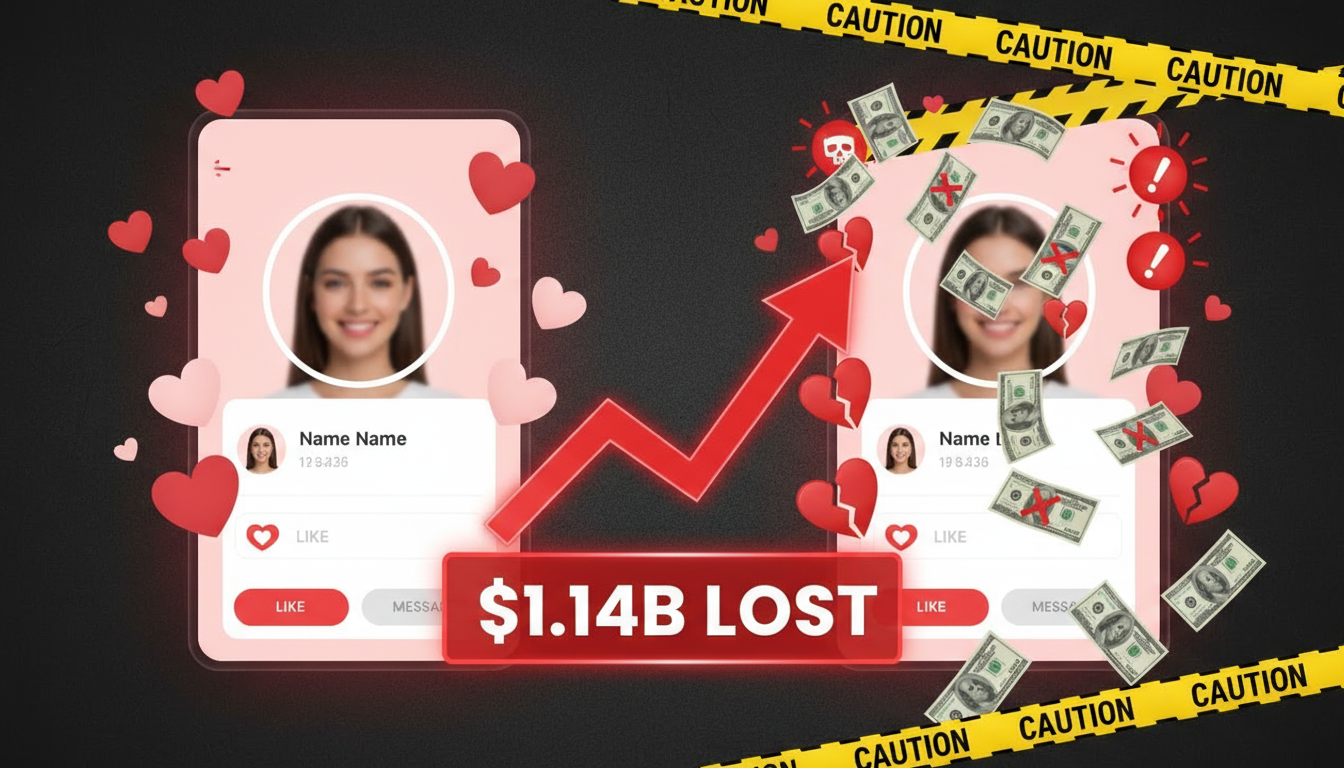
The realm of romance has expanded to include online platforms and dating apps, offering new opportunities for connection and companionship. However, amidst the search for love, there exists a lurking threat of romance scammers who exploit unsuspecting individuals for financial gain and emotional manipulation. In this blog post, we will delve into the world of romance scams, exploring the tactics employed by these fraudsters and providing you with essential knowledge to identify and protect yourself from manipulative online relationships. By understanding the red flags and taking proactive measures, you can navigate the online dating landscape with confidence and safeguard your heart and wallet from potential harm.
Understanding Romance Scammers: Unmasking the Threat
Romance scammers are individuals who create fake profiles on dating websites, social media platforms, or online forums with the intent of deceiving and exploiting unsuspecting victims. These scammers invest time and effort into establishing emotional connections, often posing as attractive, successful, and genuinely interested individuals. However, behind the charming facade lies a calculated scheme aimed at manipulating their targets for financial gain.
One common characteristic of romance scammers is their ability to create compelling narratives. They spin elaborate stories, often fabricating personal tragedies or hardships to elicit sympathy and empathy from their victims. By establishing an emotional bond, they gain the trust and confidence of their targets, making it easier to manipulate their emotions and ultimately exploit them.
Romance scammers employ various tactics to keep their victims engaged and committed to the relationship. They may shower their targets with excessive flattery, affectionate messages, and promises of a future together. Their ultimate goal is to create a sense of dependency, making it difficult for their victims to question their motives or consider the possibility of a scam.
Another key element of romance scams is the distance factor. Scammers often claim to be located far away, either in a different country or continent, which conveniently provides an excuse for not meeting in person. This physical distance serves as a barrier that prevents victims from verifying the scammer’s identity or background, as well as from detecting inconsistencies in their stories.
It’s important to note that romance scammers are highly skilled at manipulating their victims’ emotions. They prey on vulnerabilities and emotional needs, exploiting loneliness, longing for companionship, and the desire for love and affection. By preying on these emotional vulnerabilities, they create a powerful bond that can cloud judgment and rational thinking, making it even more challenging for victims to see through the deception.
Romance scams are not limited to any specific demographic or age group. Scammers target people of all genders, ages, and backgrounds, capitalizing on the universal human desire for love and connection. It is crucial to remain vigilant and aware of the tactics employed by these fraudsters to protect ourselves and our loved ones from falling victim to their manipulative schemes.
In the next sections, we will explore the red flags that can help you identify manipulative online relationships and provide you with valuable insights and strategies to protect yourself from romance scammers.
Red Flags in Online Relationships: Signs of Manipulation
When engaging in online relationships, it is crucial to be aware of the red flags that may indicate manipulative behavior from the other person. By recognizing these warning signs early on, you can protect yourself from falling prey to romance scammers. Here are some common red flags to watch out for:
- Quick Declarations of Love: If your online partner professes their love for you too soon, especially before having met in person, it could be a sign of manipulation. Scammers often use excessive flattery and intense emotions to accelerate the pace of the relationship and create a sense of urgency.
- Requests for Financial Assistance: Be wary of individuals who ask for money or financial favors. Romance scammers often come up with elaborate stories, such as sudden emergencies or financial difficulties, to persuade their victims to send them money. Never send money to someone you have only met online, regardless of the circumstances.
- Inconsistencies in their Stories: Pay attention to any inconsistencies or discrepancies in the information provided by your online partner. Scammers may slip up or change details in their narratives, revealing contradictions or gaps in their stories. Trust your instincts and question anything that doesn’t add up.
- Reluctance to Meet in Person: If your online partner consistently makes excuses for not meeting face-to-face or avoids video calls, it could be a warning sign. Romance scammers often try to maintain distance and avoid being caught in their deceitful acts. Genuine individuals who are interested in a relationship will be eager to meet and spend time together.
- Pressure for Immediate Commitment: Be cautious if your online partner puts excessive pressure on you to commit to the relationship or make significant decisions prematurely. Manipulative individuals may try to rush the relationship to gain control over your emotions and actions. Healthy relationships develop at a natural pace, allowing both parties to get to know each other gradually.
- Lack of Personal Information or Social Media Presence: If your online partner is evasive about sharing personal information or has a limited social media presence, it raises suspicions. Scammers often operate with fake profiles and avoid sharing too much personal information to maintain anonymity and prevent easy verification of their identity.
Protecting Your Heart and Finances: Essential Safety Measures
When engaging in online relationships, it is crucial to prioritize your emotional well-being and financial security. By implementing essential safety measures, you can protect both your heart and your finances from potential harm. Consider the following strategies:
- Be cautious about sharing personal details early on in the relationship. Avoid disclosing sensitive information such as your home address, financial details, or social security number. Protecting your personal information is essential to prevent scammers from using it for identity theft or fraudulent activities.
- Take the time to research your online partner. Conduct a thorough search using their name, photos, or any other identifying information they have shared. This can help you uncover any potential red flags or inconsistencies that may indicate a scam. Trustworthy individuals will typically have a digital footprint that aligns with their claims.
- Be vigilant when it comes to financial requests or demands. Never send money or share financial details with someone you have only met online, regardless of their convincing stories or emergencies they may present. Genuine relationships are built on mutual trust and respect, not financial transactions.
- Pay attention to your instincts and gut feelings. If something feels off or raises suspicions, trust yourself. Your intuition can often detect manipulative behavior before you can logically identify it. Listen to that inner voice and take a step back to evaluate the situation objectively.
- Ensure you communicate through secure and reputable platforms that offer privacy and encryption. Be cautious of sharing sensitive information through unsecured channels, such as email or public messaging apps. Opt for platforms with built-in security features to protect your conversations from potential eavesdropping or interception.
- If you have doubts or concerns about an online relationship, don’t hesitate to reach out to friends, family, or trusted individuals for advice and support. They can offer an outside perspective and help you navigate the situation objectively. Sometimes, an unbiased viewpoint can shed light on red flags that you may have overlooked.
Reporting and Seeking Help: Taking Action Against Romance Scammers
If you suspect that you have encountered a romance scammer or have fallen victim to their manipulative tactics, it is crucial to take immediate action by reporting the incident and seeking help. By doing so, you not only protect yourself but also contribute to the collective effort in combating romance scams.
Contact the relevant authorities and report the incident. Notify your local law enforcement agency, as well as your country’s national anti-fraud organization or consumer protection agency. Provide them with all the information you have gathered about the scammer, including their profile details, communication history, and any evidence of fraudulent activity.
If you encountered the scammer on a dating website or app, report their profile to the platform’s administrators. Most reputable platforms have mechanisms in place to deal with fraudulent accounts and can take action to remove the scammer and prevent them from victimizing others.
Keep a record of all communication and any evidence related to the scam, such as emails, messages, or financial transactions. These can be useful for law enforcement agencies during their investigations. Take screenshots or make copies of any relevant documents, but ensure you do not compromise your own privacy or security in the process.
Reach out to your trusted friends and family members for emotional support and guidance. They can offer comfort during a challenging time and help you navigate the aftermath of a romance scam. Sharing your experience can also raise awareness among your loved ones and prevent them from falling victim to similar scams.
Several support organizations specialize in assisting victims of romance scams. They provide guidance, resources, and counseling to help individuals recover from the emotional and financial impact of such scams. Reach out to these organizations for advice on steps to take and to access the support you may need.
Share your experience and lessons learned with others to raise awareness about romance scams. Utilize social media, community forums, or local support groups to educate people about the warning signs, red flags, and preventive measures. By spreading awareness, you empower others to protect themselves and create a safer online dating environment.
Remember, taking action against romance scammers not only helps in your own recovery but also plays a vital role in preventing future scams and protecting potential victims. By reporting incidents, seeking help, and sharing your story, you contribute to the collective effort in combatting this form of fraud. Stay vigilant, stay informed, and together we can create a safer digital space for everyone.